REVIEW · BANFF
Kananaskis: 30-Minute Heli Tour of Minnewanka Lake and Banff
Book on GetYourGuide →Operated by Alpine Helicopters Inc · Bookable on GetYourGuide
Thirty minutes, and the Rockies feel close. That’s the core appeal of this Kananaskis heli tour: you swap long drives for a tight flight that still delivers real scale, including Lake Minnewanka from above and big Banff-area mountain panoramas. I also like the smooth, easy pace of a short ride that fits busy schedules and special occasions. One drawback to plan for: it’s only 30 minutes, so you want to be mentally ready for quick look-and-share stops rather than a long sit-and-stare moment.
Meet in a log building near Stoney Nakoda Resort and Casino, then head out with pilots who keep the flight moving and share clear local detail. In past flights, pilots like Cody and Riley have been called out for friendly, capable flying and for pointing out the main sights as you go. If you’re traveling alone, you’ll also want to check how timing works since there’s a minimum of 2 people to run the flight.
In This Review
- Key things to know before you go
- Where the tour starts: the log building by Stoney Nakoda country
- Safety briefing and takeoff: quick prep, then real altitude
- Ghost River and the Nakoda connection: seeing place with context
- The turn toward Lake Minnewanka: where the flight earns its money
- The valley between Mt Peechee and Saddle Peak: naming, meaning, and Devils Gap
- Back toward Banff: Townsends, Ghost peaks, and Old Goat Mountain views
- Final approach: Mt Yamnuska and the meaning behind the shape
- Price reality check: what $267 buys you in 30 minutes
- What to bring (and what to leave behind)
- Who this tour suits best
- Should you book this 30-minute Minnewanka and Banff heli tour?
- FAQ
- How long is the helicopter tour?
- What does the tour cost?
- Where do I meet for the tour?
- What is included in the price?
- Are hotel transfers included?
- Do I need to speak another language besides English?
- Is the tour wheelchair accessible?
- What should I bring?
- Is luggage allowed?
- What are the rules about cancellation and booking flexibility?
Key things to know before you go
- 30 minutes is a fast hit of big scenery, not a full-day helicopter adventure
- Lake Minnewanka views are the centerpiece, with a shoreline pass that’s great for photos
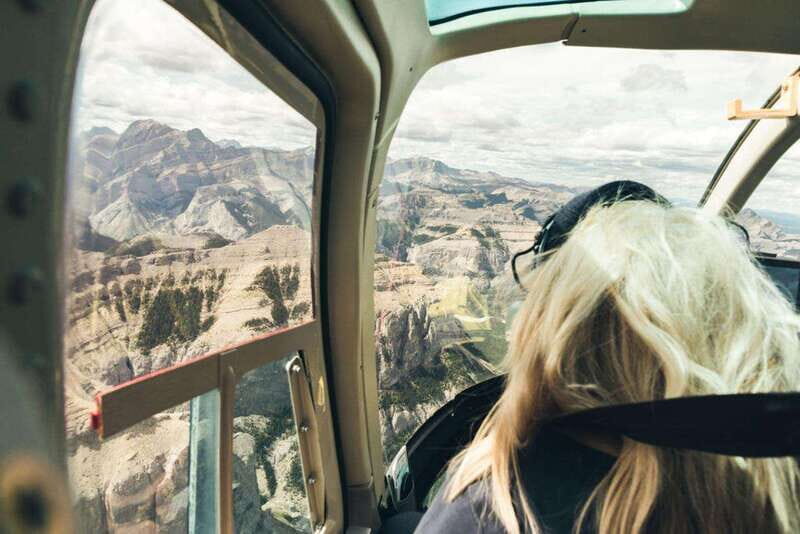
- Photo-friendly windows help you grab shots without fighting glare as much as you might expect
- A route over Ghost River and Devils Gap area stories adds meaning beyond the scenery
- You fly a northern circuit that loops from Kananaskis toward Banff sights before returning
- Minimum of 2 people to proceed, so you may join an already-planned flight if you’re solo
Where the tour starts: the log building by Stoney Nakoda country
Your day starts at the Alpine Helicopters Inc. office, in a log building on the right side of the circular road. It’s near the Stoney Nakoda Resort and Casino, outside the First Nations town of Morley. This matters more than it sounds: when helicopter tours are in remote spots, the biggest stress is often just finding the right parking and getting checked in smoothly. Here, the meeting point is straightforward and the staff handle the safety step before you climb aboard.
You’ll want to arrive with the right mindset: you’re going to a base, not a museum. After check-in, it’s a simple process that gets you to the helicopter quickly. If you’re coming from Banff, Calgary, or anywhere in between, factor in time for a calm arrival so you don’t start the flight rushed.
Other Lake Minnewanka cruises we've reviewed in Banff
Safety briefing and takeoff: quick prep, then real altitude
Before takeoff, there’s a short safety briefing (about 5 minutes). That brief window is usually enough to cover how the ride works, what to keep in mind while you’re seated, and the basic rules for enjoying the flight safely.
Then it’s lift-off from the Kananaskis base. You’ll fly north following the eastern edge of the Rocky Mountains. That’s a strong route choice: it keeps you oriented to the mountain front, so the views feel readable even if you don’t know the names of every peak. The ride itself is described as smooth, and that’s a big deal in a helicopter—if you’re trying to relax and take photos, smooth helps.
Ghost River and the Nakoda connection: seeing place with context
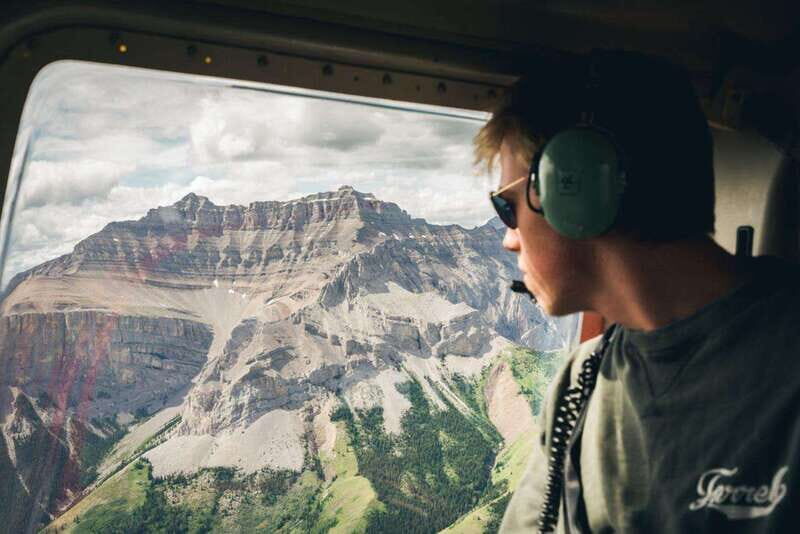
One of the reasons I like this tour is that it doesn’t treat the sky ride as just sightseeing. As you head north, you pass areas tied to Nakoda People stories. The area around the helicopter base was used for games and horse races for decades, and later the route reaches Ghost River, where there are many stories of battles involving Blackfoot and Stoney Nakoda peoples.
You don’t need to be a local expert to enjoy this part. In fact, it’s often the most memorable segment for people who normally find mountain names blend together. When a guide explains what happened in a particular corridor, the terrain becomes more than a pretty view. It’s also a respectful reminder that the Rockies are living country, not just a postcard backdrop.
The turn toward Lake Minnewanka: where the flight earns its money
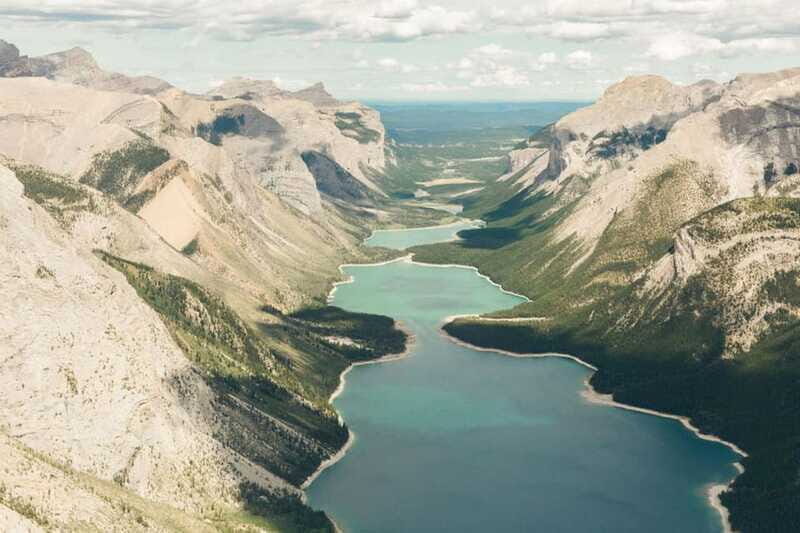
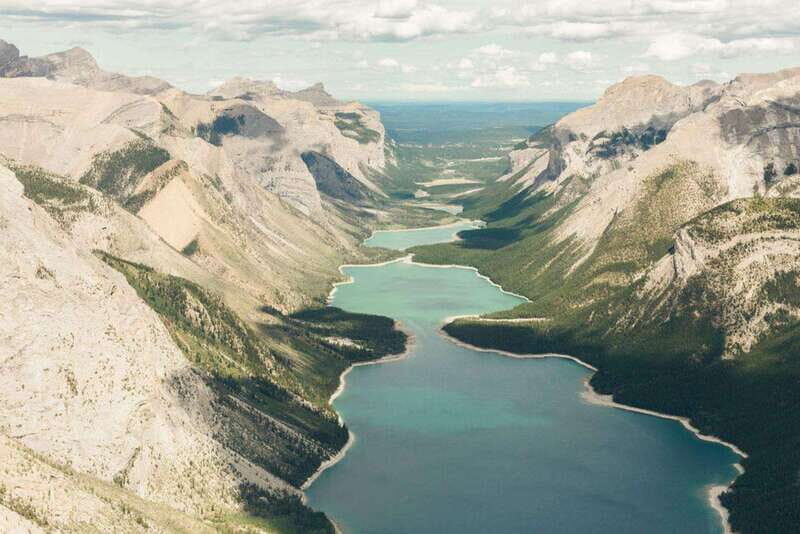
After passing End Mountain, the flight turns into the Minnewanka valley. This is where the tour’s value sharpens. You’ll fly alongside Mt Costigan’s Ridges, then begin following the Lake Minnewanka shoreline until you reach the halfway point of the lake.
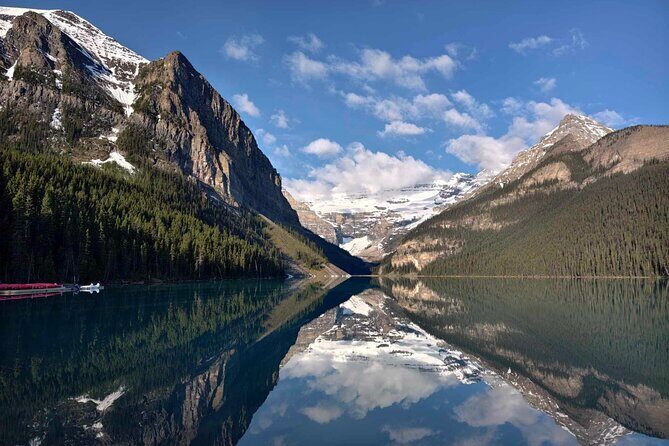
Lake Minnewanka is the showstopper. From the air, the water and the surrounding peaks don’t just look scenic—they look organized, like the land has been carved with intent. You’re not stuck behind a viewpoint fence or hiking up to a single angle. You get a continuous perspective as you track along the shoreline.
There’s also a meaningful layer here: these lakes are known by the Stoney Nakoda peoples to be sacred spirit waters. That detail changes how you look at it. Instead of treating the lake like a generic highlight, you’ll likely notice how quiet and still it looks from above, and how the mountains frame the water like a natural bowl.
The valley between Mt Peechee and Saddle Peak: naming, meaning, and Devils Gap
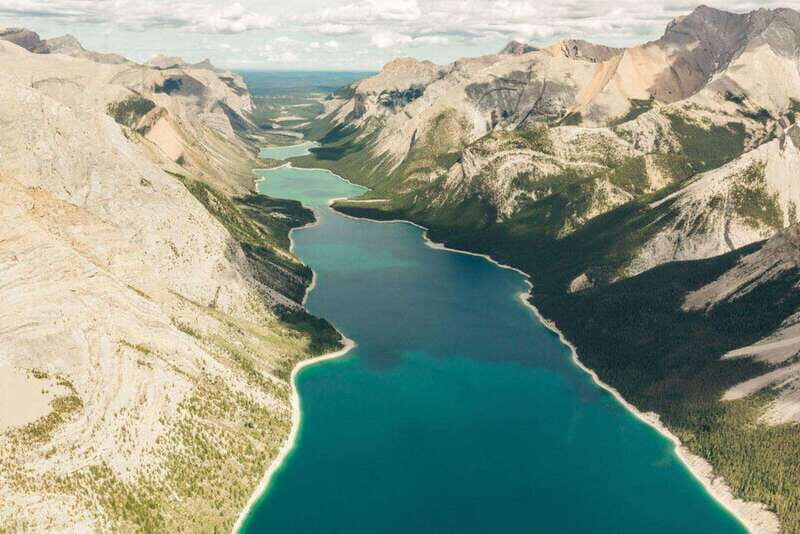
Once you leave the half-lake point, the helicopter turns into a valley between Mt Peechee and Saddle Peak. Mt Peechee is named after Louis Piche, a Chief of the Mountain Cree. The route includes a story about how he guided a Scottish explorer through the area now known as Devils Gap.
This segment is brief, but it gives you something useful: it helps you connect the names you’ll see on maps to people and journeys. When you spot a peak from the sky, you can either shrug and move on—or you can remember that a name points to a person who did something in the region.
If you’re traveling with anyone who gets bored during “just scenery” tours, this is often the part that brings them back. It’s quick, human, and tied to what you’re seeing right then.
A few more Banff tours and experiences worth a look
Back toward Banff: Townsends, Ghost peaks, and Old Goat Mountain views
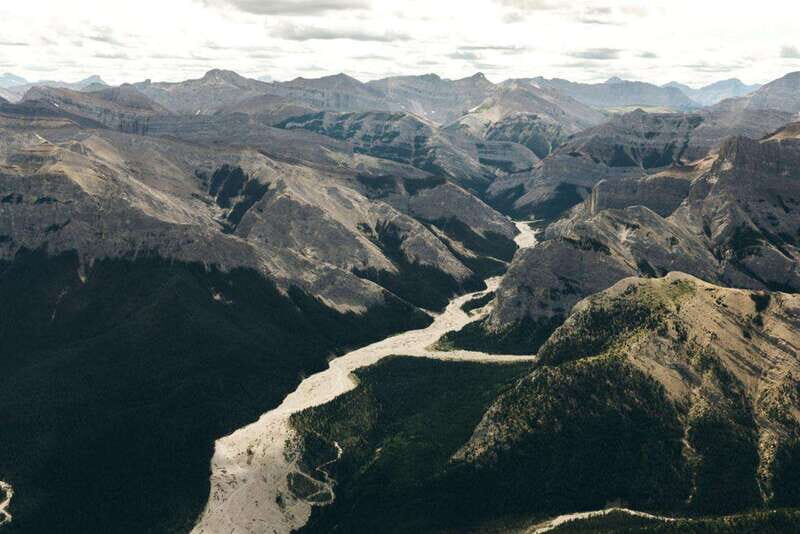
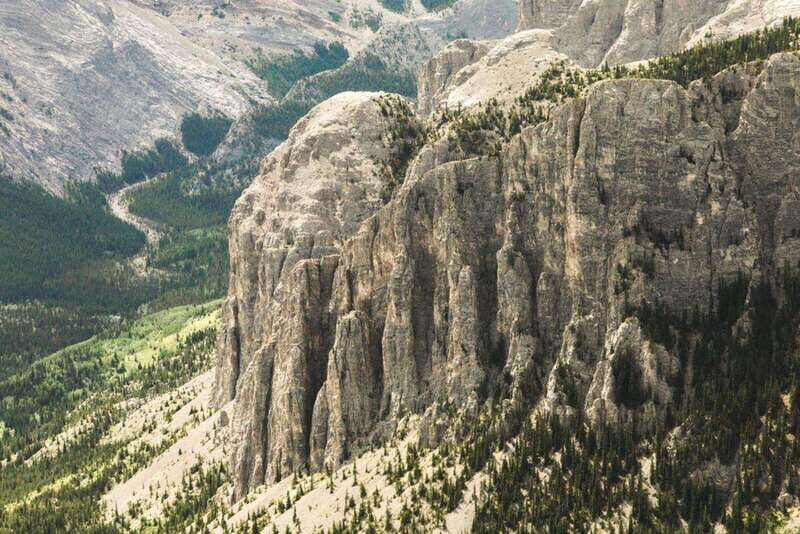
On the return leg, you fly through mountainous valleys across Kananaskis Country and Banff National Park, meandering past Mt Townsend, South Ghost peak, and Old Goat Mountain. This is a smart way to structure a short helicopter ride: you get a mix of big-name peaks and a handful of secondary features that still read well from above.
From your perspective, the benefit is variety without turning the tour into a long flight. You’re not repeating the same view angle over and over. Instead, the route keeps shifting what’s in your frame—valleys, ridges, and peak faces—so your camera roll won’t end up looking like five versions of the same shot.
Final approach: Mt Yamnuska and the meaning behind the shape
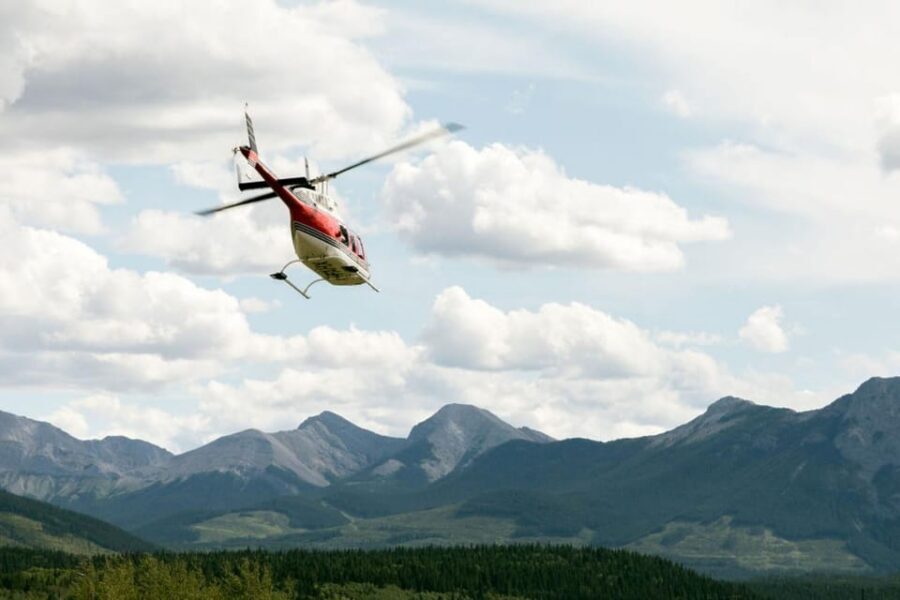
As the flight wraps up, you get final views of Mt Yamnuska. The name is given with the pronunciation Iya Mnathka (EE-ya Min-nath-ka), and it’s described as meaning flat faced mountain.
That last detail is a great example of what makes a tight tour feel better than you’d expect. When you understand what the name refers to, you stop seeing the mountain as a random silhouette. You start seeing it as a shape with a reason.
Then it’s landing back at the base, and the whole thing ends before you can even feel done. That’s not a bad thing—it’s the reason this works well for first-timers and people who want a major payoff without committing to half a day.
Price reality check: what $267 buys you in 30 minutes
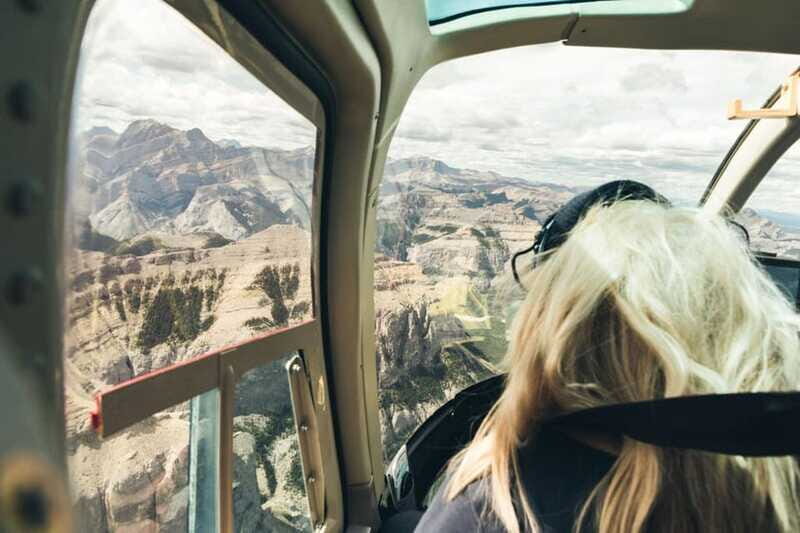
At about $267 per person for a 30-minute flight, this isn’t cheap. But helicopter sightseeing in the Rockies is expensive for a reason: you’re paying for time, access, and aerial perspective that you can’t replicate with normal viewpoints.
Here’s how I think about value for this exact route:
- You’re paying for a focused loop that hits Lake Minnewanka shoreline plus key Banff-area peaks.
- You’re paying for a short ride that still gives multiple distinct angles rather than a single straight line.
- You’re also paying for staff and pilots who help you spot what matters. In real-world feedback, pilots like Cody and Riley have been credited with making the flight smoother and more meaningful by pointing out sights.
So, if your goal is a once-in-a-trip experience where you see the Rockies at full scale, the price can make sense. If you’re hoping to “collect everything” in one go, the shorter duration may leave you wanting more air time.
What to bring (and what to leave behind)
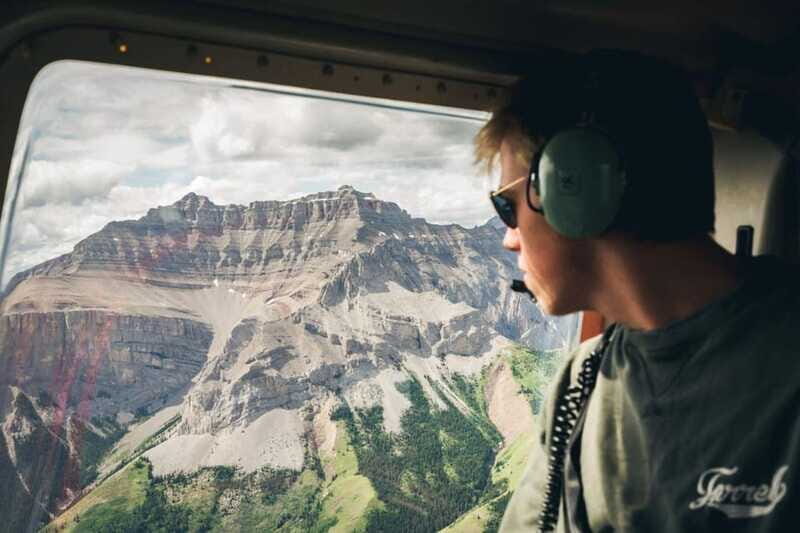
Plan for a light, camera-forward outing. Bring sunglasses, a camera, and a charged smartphone. You’ll want your phone ready for quick sharing after the landing, since the tour is designed for postcard shots.
You can’t bring luggage or large bags, and alcohol and drugs aren’t allowed. In practice, that means travel light. A small bag for essentials is fine, but keep it minimal so check-in and boarding stay fast.
Who this tour suits best
This is ideal if you:
- Want big views but don’t have a long day
- Prefer a structured, guided route instead of self-driving to multiple pull-offs
- Care about photography, since special windows have been mentioned as helpful for capturing shots
- Are celebrating something and want a memorable surprise without heavy logistics
It also works well for older visitors, since multiple people have described it as a perfect choice for birthdays and special occasions, with smiles that say it hit the emotional goal.
If you’re the type who loves slow travel and long stops, you might feel squeezed by the 30-minute format. In that case, you may want a longer flight option instead.
Should you book this 30-minute Minnewanka and Banff heli tour?
I’d book it if you want the fastest path to Rockies-scale views with a clear highlight: Lake Minnewanka from above, plus peak panoramas that make Banff feel close. The combination of a smooth ride, friendly staff, and pilots who call out what you’re seeing turns a short flight into more than a quick photo stop.
Skip it or rethink the timing if you’re expecting a relaxed, unhurried experience. This is intensity in a good way: short, scenic, and guided. Also keep your group size in mind—if you’re traveling solo, the tour requires a minimum of 2 people to proceed, so you may join an already-planned flight.
If you want a helicopter tour that feels like a smart tradeoff, not a big gamble, this one is easy to recommend.
FAQ
How long is the helicopter tour?
The tour duration is 30 minutes.
What does the tour cost?
The price is $267 per person.
Where do I meet for the tour?
Check in at Alpine Helicopters Inc., in a log building on the right-hand side of the circular road near the Stoney Nakoda Resort and Casino.
What is included in the price?
The price includes the helicopter tour and parking fees.
Are hotel transfers included?
No. Hotel transfers are not included.
Do I need to speak another language besides English?
No. The live tour guide is English.
Is the tour wheelchair accessible?
Yes, it is wheelchair accessible.
What should I bring?
Bring sunglasses, a camera, and a charged smartphone.
Is luggage allowed?
No. Luggage or large bags are not allowed.
What are the rules about cancellation and booking flexibility?
Free cancellation is available up to 24 hours in advance for a full refund. There is also a reserve now & pay later option to keep plans flexible.