REVIEW · BANFF
Abraham Ice Bubble/Sunwapta Falls,Snowshoeing,Icefield, Bow&Peyto
Book on Viator →Operated by Rockies Journey · Bookable on Viator
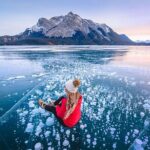
Ice bubbles on a frozen lake, in one day. This Banff-to-Icefields drive stacks classic Rocky Mountain icons with big glacier-fed viewpoints, all with a small-group pace and early start. I like how you get the Icefields Parkway experience without needing to plan multiple stops on your own.
Two things I really like: first, the winter gear support. If conditions are icy, you’ll have crampons, and guides (often Kenneth, Lam, or Ray) make sure people can safely step out for photos. Second, I like the variety of “wow” scenes packed into one route: turquoise lakes like Bow and Peyto, plus the chance at Abraham Lake ice bubbles, plus waterfalls and glaciers.
One drawback to plan around: it’s a long day with no lunch stop, and weather can shift what you’ll see (especially for Abraham Lake and glacier views). If you hate cold-weather uncertainty, bring a flexible mindset and pack accordingly.
In This Review
- Key Things You’ll Notice on This Trip
- Banff-to-Icefields: Why This Day Feels Like More Than One Day
- Morning Banff Icons: Cascade, Vermilion Lakes, and Castle Mountain
- The Icefields Parkway Drive: A Road Trip You Actually Want to Sit Through
- Bow Lake: Glacial-Turquoise That’s Hard to Describe
- Peyto Lake: Blue Rock Flour Magic (and a Longer Photo Window)
- Waterfowl Lakes: The Calmer Break from the Big Names
- Abraham Lake Ice Bubbles: The Main Event in Winter
- What to expect
- How to make it work for your photos
- If Abraham Lake Can’t Happen: Weeping Wall, Athabasca, Stutfield, Tangle Creek
- Sunwapta and Athabasca Falls: Big Water at the End of the Day
- Winter Gear and Guide Style: How the Day Stays Comfortable
- Price, Timing, and What You Pay For (and What You Don’t)
- Who Should Book This Tour (and Who Might Want Something Else)
- Should You Book This Banff Ice Bubbles and Icefields Day Trip?
- FAQ
- What time does the tour start, and where does it end?
- How long is the tour?
- Is there a lunch stop?
- What winter gear is included?
- Are admission tickets included for the main stops?
- If Abraham Lake isn’t accessible, what do you do instead?
- Is the Columbia Icefield Adventure included?
Key Things You’ll Notice on This Trip
- Crampons in winter make short walks feel safer on frozen surfaces
- Icefields Parkway viewpoints help you see Bow Lake, Crowfoot Glacier, and more without extra driving planning
- Turquoise stops with included admission at Bow Lake and Peyto Lake
- Abraham Lake bubbles (mid-Jan to early Feb) are the headline if conditions allow
- Plan B route swaps in places like the Weeping Wall, Athabasca Glacier, or Sunwapta/Athabasca Falls
Banff-to-Icefields: Why This Day Feels Like More Than One Day
This is the kind of trip where the drive is part of the attraction. You start around 7:00 am and spend most of your day moving between famous points in Banff and Jasper National Parks. The tour length runs roughly 11 to 12 hours with travel time included, so yes, it’s long, but it’s also time-efficient.
You’ll ride in an air-conditioned vehicle with bottled water and, in winter, hot drinks. With a max group size of 24 travelers, you’re not stuck in a giant crowd. That matters because so many stops are short, and you want enough time to actually walk to the viewpoint, take photos, and reset.
The best value here isn’t just the number of stops. It’s that the route is designed around the Canadian Rockies’ “greatest hits” geography: Banff icons first, then the Icefields Parkway for glacier scenery, then winter highlights (or alternatives) based on weather and road conditions.
Other Peyto & Bow Lake tours we've reviewed in Banff
Morning Banff Icons: Cascade, Vermilion Lakes, and Castle Mountain
Before the big Icefields scenery, the tour eases you into Banff with iconic mountains and photo-friendly stops.
Cascade Mountain is one of Banff’s most recognizable peaks, often tied to the Bow River Valley views. Even when you only get a short stop, it’s a good warm-up. You’ll get a sense of how the mountains shape the town area and why people come back again and again for photos.
Then you’ll hit Vermilion Lakes, three lakes known for reflections—especially of Mount Rundle. This is the kind of stop that’s simple on paper but satisfying in person. Reflections can change quickly with cloud cover and wind, so the timing of your stop matters.
Next is Castle Mountain, famous for its castle-like look caused by erosion. If you’ve ever wondered why some peaks look sharp and dramatic, this stop gives you a physical explanation: it’s not just height, it’s how the rock has been worn over time.
These early stops also serve a practical purpose: they get you oriented in the Banff area before the day stretches north into icefield country.
The Icefields Parkway Drive: A Road Trip You Actually Want to Sit Through
The Icefields Parkway (Hwy 93 North) is ranked among the most picturesque highways in the world for a reason. Even if you’re not a “road trip person,” this route is built for pull-offs, quick viewpoints, and wildlife habitat you pass through as you travel between Banff and Jasper.
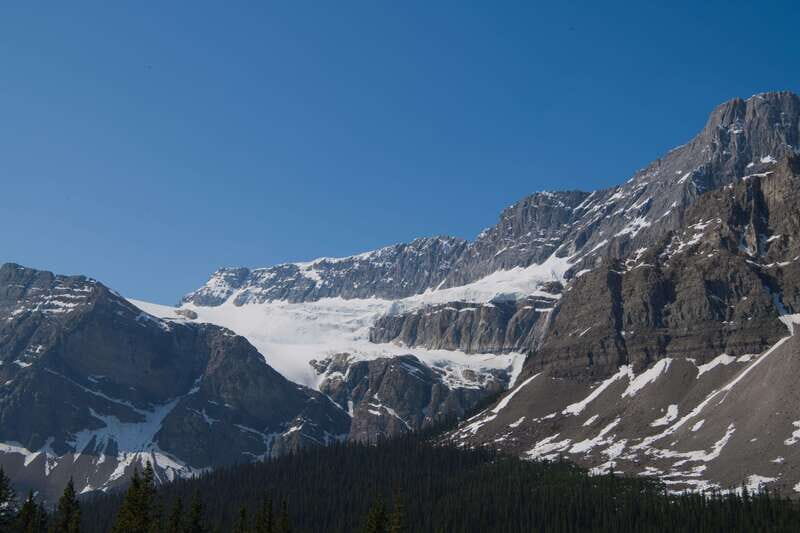
One highlight you’ll specifically see from the drive is the Crowfoot Glacier, sitting above Bow Lake. You don’t need to hike for every glacier view here. The parkway gives you angles, and you’re positioned to spot the ice from the road.
This matters for a lot of readers because it turns a complicated region into a manageable day. Instead of thinking about where to park, how long to walk, and whether you’ll fit it all in, your day has built-in timing and guidance.
Bow Lake: Glacial-Turquoise That’s Hard to Describe
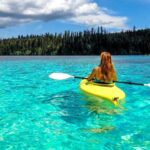
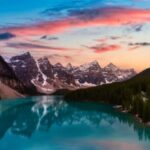
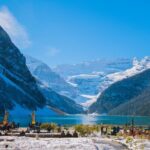
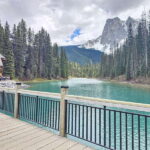
Bow Lake is a glacier-fed lake with a turquoise color credited to glacial till. This stop is scheduled for about 15 minutes, and admission is included.
Fifteen minutes is short, so you want to use it well. Arrive ready to step out, grab your photos quickly, and choose one or two viewpoints instead of trying to cover everything. In winter, the timing of light and visibility can change fast, so it helps to decide what you want first: wide lake views or close framing of the color and shoreline.
I also like Bow Lake because it’s a “supporting actor” stop. It’s not the single headline for everyone the way Abraham Lake is, but it adds context. You’re seeing how the glaciers feed the lakes—and how that feeding turns into color you don’t usually see at home.
Peyto Lake: Blue Rock Flour Magic (and a Longer Photo Window)
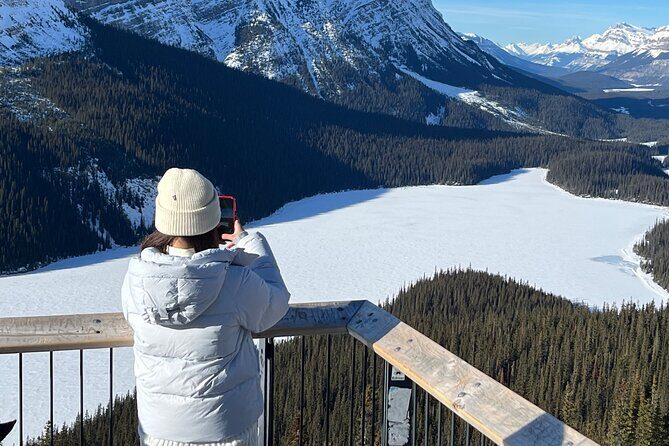
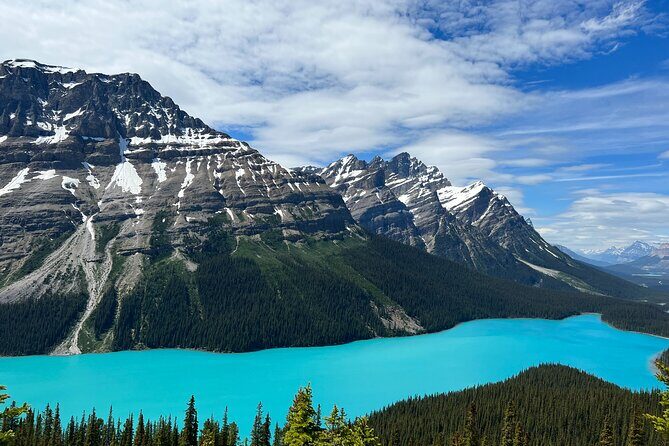
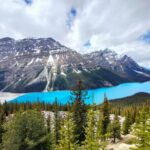
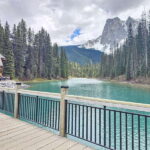
If Bow Lake teaches you how turquoise happens, Peyto Lake shows it at its most famous. This glacier-fed lake is one of the most popular in Banff National Park, with its bright blue tied to glacial rock flour flowing from the Peyto Glacier.
Your scheduled time is about 30 minutes, and admission is included.
Because Peyto Lake’s look depends on conditions—cloud cover, wind, and sun angles—this longer window is useful. You’ll likely get enough time to:
- Take a couple of wide shots
- Reframe for different angles
- Let the group settle so you can focus on your own photos
This is also a good stop for anyone who wants to go beyond one photo and actually create a few “keepers” without feeling rushed.
Other snowshoeing & winter tours we've reviewed in Banff

Waterfowl Lakes: The Calmer Break from the Big Names
Between the major headline viewpoints, you’ll stop at Waterfowl Lakes. These glacier-fed lakes sit in a dramatic mountain setting, and the water is clear enough to reflect peaks well for photography.
What I like about this part of the day is the change of pace. You still get the classic Rockies scenery, but it feels less like a single iconic postcard viewpoint and more like a slower nature pause. It’s the kind of place that works for a quick walk, a relaxed photo moment, and a reset before the ice-themed stops.
The tour data doesn’t give a set duration here, so treat it like a flexible stop: use the time you’re given, keep moving when the group moves, and don’t assume you’ll have long wandering time.
Abraham Lake Ice Bubbles: The Main Event in Winter
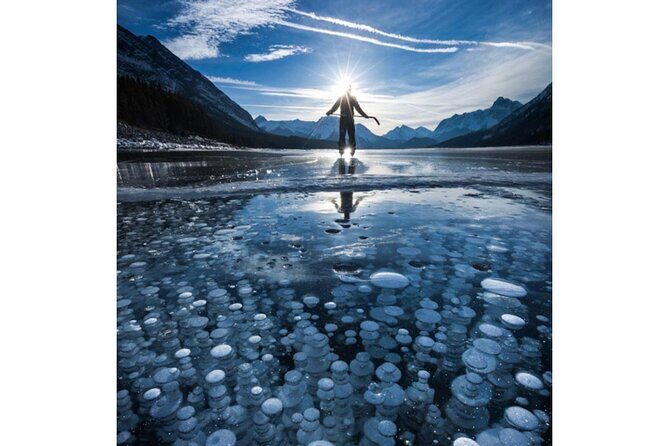
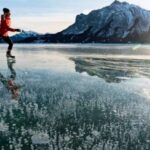
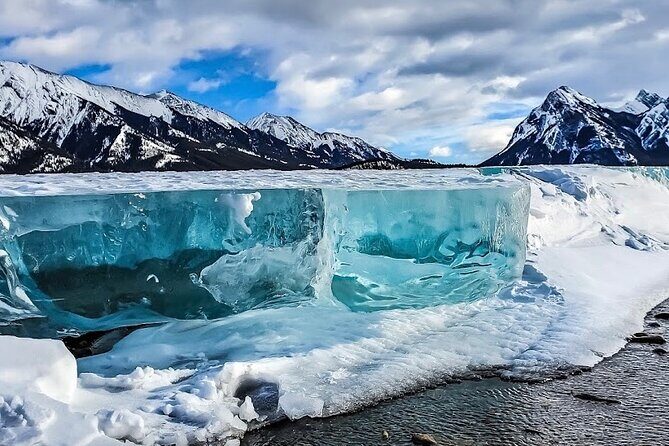
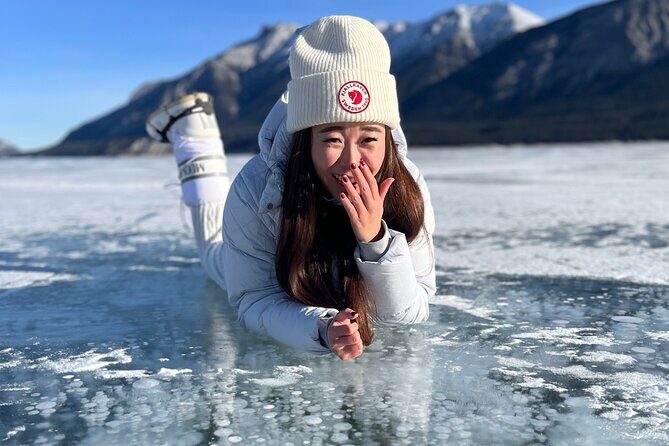
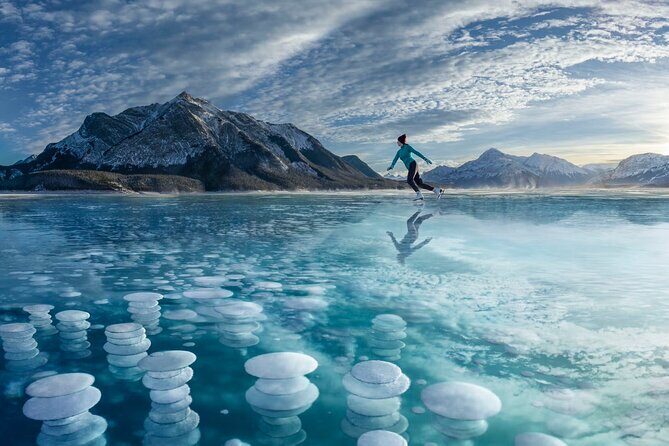
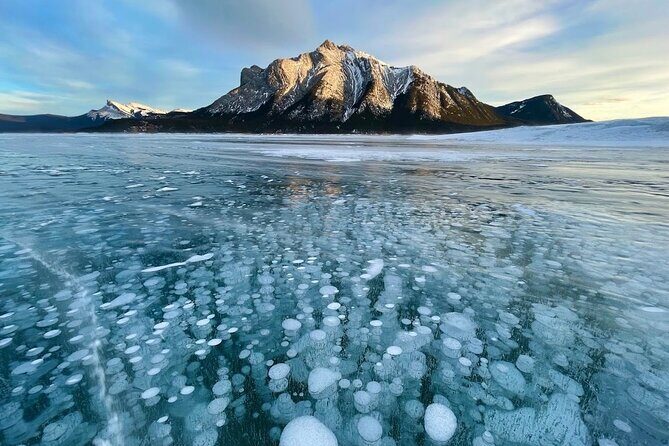
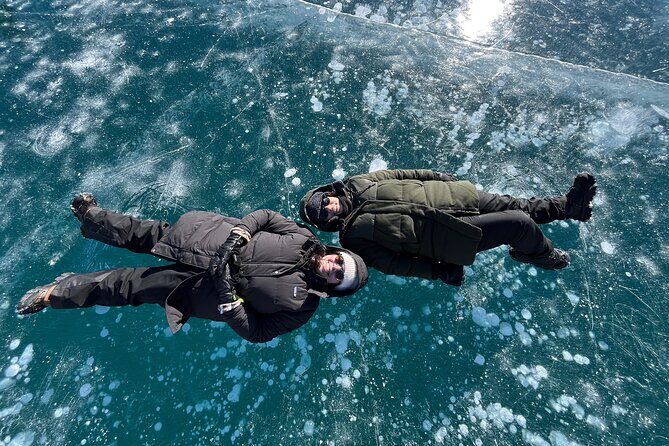
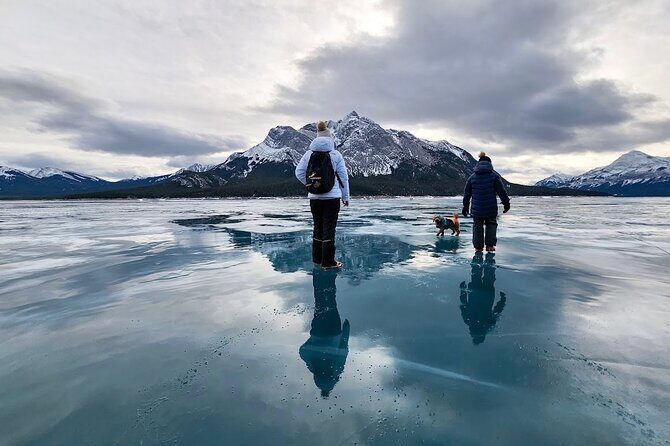
The star of the winter version is Abraham Lake, famous for turquoise water freezing over with thousands of white bubbles beneath the surface.
This stop runs only in the winter window, listed as mid-December to early March, subject to weather conditions. The best time to witness the bubbles is often mid-January to early February, when the lake is frozen and the bubble effect is most likely to show.
Your scheduled time is about 1 hour, and admission is free.
What to expect
- You’ll see the frozen lake surface with bubble patterns that look like ice with a secret inside.
- Conditions matter. The tour notes that weather and access can affect what’s possible.
How to make it work for your photos
This is one of the stops where crampons matter. If you’re in icy conditions, the guide team is there to help you get to the best viewing angle safely, and you’ll want to move carefully rather than rushing for one perfect spot.
If you’re lucky (and winter timing is right), this is the kind of view that makes the whole day feel worthwhile.
If Abraham Lake Can’t Happen: Weeping Wall, Athabasca, Stutfield, Tangle Creek
The tour is designed with alternatives when weather or roads don’t cooperate. If Abraham Lake isn’t accessible, you’ll pivot to other ice-and-water wonders in the same general region.
One alternative is the Weeping Wall found at Cirrus Mountain. It’s described as a wall of waterfalls over 100 meters high (about 330 feet), with the most prominent section called Teardrop. Watching water spill down a vertical rock face is a different kind of spectacle than frozen bubbles. It’s loud, wet, and dramatic.
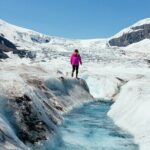
Another swap is Athabasca Glacier, part of the Columbia Icefield. Your time here is about 30 minutes, and admission is included. The tour notes that you can walk on the glacier and see the blue ice up close, and it’s also presented as a climate change indicator because it has been shrinking over the years.
If Athabasca Glacier isn’t the best match that day, there’s also Stutfield Glacier as an alternative. The description focuses on crevasses and icy blue pools, plus the idea that glacier flow creates a sculpted, broken-ice look. This stop is more about the visual scale and texture than it is about a long walk.
And sometimes you’ll see Tangle Creek Falls, a waterfall with a distinctive shape cascading down rocky cliffs. It’s a calmer option that still gives you something memorable before the day winds down.
The practical takeaway: don’t build your day around only one expectation. Build it around the idea that you’ll still get a strong ice-and-water mix, even if the exact highlight changes.
Sunwapta and Athabasca Falls: Big Water at the End of the Day
For waterfall lovers, winter or shoulder-season changes can still bring you dramatic drops.
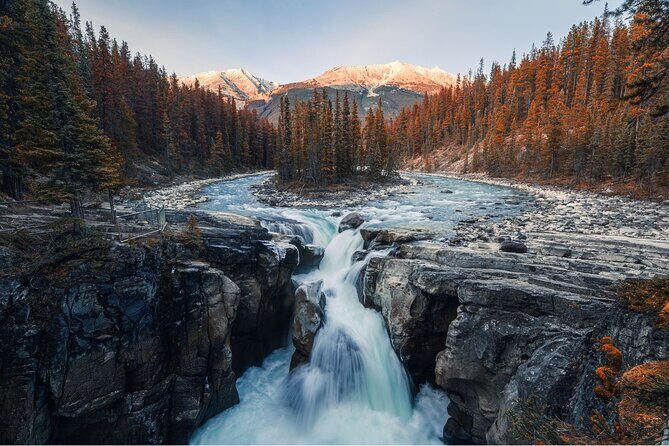
Sunwapta Falls is listed as an alternative in winter time, with a drop of about 18 meters (around 60 feet). It’s especially breathtaking in late spring and early summer when snowmelt strengthens the flow, and it’s noted as being fed by the Athabasca Glacier. Your time here is about 15 minutes, with admission free.
You may also stop at Goats & Glacier Lookout in Jasper National Park. This viewpoint is positioned for snow-covered mountain views and the flowing Athabasca River, and the tour notes that mountain goats may be seen (and sometimes bears near the picnic area). That’s the kind of add-on that can turn a normal stop into a wildlife moment.
Then there’s Athabasca Falls, described as one of the most powerful waterfalls in the Canadian Rockies. Your time here is about 45 minutes, and admission is included. The tour notes that it’s not just about height, but about water volume. It’s a great stop when you want the sound and force to do the talking.
Winter Gear and Guide Style: How the Day Stays Comfortable
This tour’s winter support is real. Crampons are provided in winter, and bottled water plus hot drinks are included. That’s important because the day can include short walks on icy surfaces. You don’t need to be an expert hiker, but you do need good footwork and a willingness to step slowly.
In the real-world experience of this route, guide behavior plays a big role. Names like Kenneth, Lam, and Ray come up repeatedly, and the common theme is that they help people feel safe on uneven ground. Some guides also help with photo timing and will take group shots when you’re struggling with selfies in cold weather.
So if you’re the type who wants someone to manage the details—where to stand, when to move, how to get a better angle—this is a good fit.
Price, Timing, and What You Pay For (and What You Don’t)
At $68.34 per person, this tour’s value comes from how much you pack into a single day: Banff photo icons, Icefields Parkway glacier scenery, and a winter highlight tied to Abraham Lake bubbles (or strong alternatives).
You’re also paying for transportation and included basics:
- Air-conditioned vehicle
- Bottled water
- Hot drinks in winter
- Multilingual guide
- Crampons in winter
- GST included
What’s not included is equally important. There are no meals included, and there’s no lunch stop—so you should prepare your own lunch. You’ll also want to plan for gratuities (listed as CAD 15 per person). And the Columbia Icefield Adventure is not included, so if that’s something you specifically want, you’ll need to arrange it separately.
Is it a budget tour? Yes, compared with what private guides or more intensive glacier walking experiences can cost. But it’s not a casual half-day either. You’re paying for a full-day drive-and-stop format, where time is used for views rather than restaurants.
Who Should Book This Tour (and Who Might Want Something Else)
This tour is best for you if:
- You want a high concentration of famous Rockies stops without planning a multi-day drive
- You’re visiting Banff in winter and want access to the Abraham Lake ice bubbles story (or alternatives if conditions shift)
- You prefer guided timing, safety support, and photo-help over independent decision-making
It’s also a solid option if you’re traveling without a car. One of the big advantages is that you can focus on viewpoints instead of route planning and parking.
This may not be ideal if:
- You hate long days (it’s roughly 10 to 12 hours on the clock)
- You want a slow, flexible schedule with meals and long hikes
- You only care about one exact outcome (like Abraham bubbles) and would be disappointed if weather limits access
Should You Book This Banff Ice Bubbles and Icefields Day Trip?
I’d book it if you want the Canadian Rockies’ “big hits” in one organized day, especially in winter. Abraham Lake ice bubbles are a rare experience, and when conditions don’t cooperate, the alternatives still keep the day in glacier-and-water territory with places like Athabasca Glacier and Weeping Wall.
Skip it only if you’re looking for a short, relaxed day or you’re not willing to bring a lunch and spend most of the day on a coach. If you can handle cold, follow the guide’s safety pace, and bring your lunch, this is a strong use of your time in the Banff area.
FAQ
What time does the tour start, and where does it end?
The tour starts at 7:00 am and ends back at the meeting point.
How long is the tour?
It runs about 11 to 12 hours (with total duration including travel time). The total tour duration time from Banff is listed as around 10 hours.
Is there a lunch stop?
No. You’re asked to prepare lunch because there’s no lunch stop.
What winter gear is included?
In winter, crampons are included.
Are admission tickets included for the main stops?
Some are. Bow Lake and Peyto Lake include admission tickets, and Athabasca Glacier and Athabasca Falls also list admission as included. Abraham Lake is listed as free for the stop.
If Abraham Lake isn’t accessible, what do you do instead?
The tour lists alternatives such as the Weeping Wall, Athabasca Glacier, Stutfield Glacier, Tangle Creek Falls, plus Sunwapta Falls and Goats & Glacier Lookout, depending on weather conditions.
Is the Columbia Icefield Adventure included?
No. The Columbia Icefield Adventure is listed as not included.