REVIEW · BANFF
Banff LOST TOWNS and Untold Stories! 2hr Walk + Transportation
Book on Viator →Operated by Banff & Canmore Tours · Bookable on Viator
Banff has a second story under the peaks. This 2-hour Banff National Park walking history experience focuses on the town’s early coal-mining days and the people who built Banff before it was all postcards and park signs. You get a local guide who handles the driving pieces and a route built for real-world conditions.
Two things I really like: the guide storytelling is personal and funny, and you still get scenery along the way (not just facts on a bench). On top of that, the group stays small, capped at 12 travelers, which makes it easier to ask questions and actually hear the details.
One thing to consider: the route depends on weather and season. In winter, some locations can be unsafe or inaccessible due to snow cover, so the plan may shift.
In This Review
- Key highlights that make this Banff walk worth your time
- How Banff’s coal-mining past changes what you see
- The 2-hour shape: what you’re doing with your time
- Banff Park Museum transfer: the easiest way to start
- The walk route choices: muddy trails or mostly paved
- Stop-by-stop: what the guide is pointing out
- Coal-loading remains and industrial clues
- Cave and Basin area context
- Railroads, tourism, and the people behind the legends
- Lake Louise and beyond (when conditions allow)
- Views, plants, and animals: why the outdoors matters here
- Seasonal reality: winter snow and shifting stops
- Group size and energy: what 12 people changes
- Price and value: is $93.44 fair for this 2-hour format?
- Who this tour is best for (and who should skip it)
- Practical tips before you go
- Should you book Banff LOST TOWNS and Untold Stories?
- FAQ
- Where does the tour start and end?
- How long is the experience?
- Is there transportation included?
- What group size should I expect?
- What language is the tour in?
- Do I need a printed ticket?
- Is it canceled if weather is bad?
- Can I cancel for a full refund?
Key highlights that make this Banff walk worth your time
- Small group of up to 12 means you’re not lost in a crowd
- Local guide Jacob brings the era to life, including historic-gear styling
- Two route options can include mostly paved paths or mud-friendly trails
- Coal-era leftovers show up at key stops tied to Banff’s industrial past
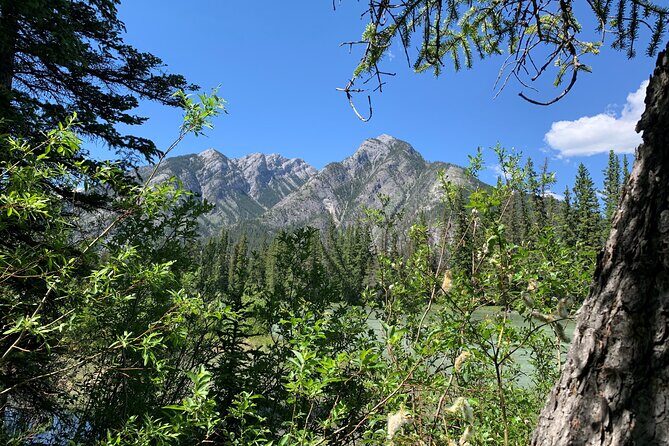
- Scenic payoff with views that can reach beyond town, including Lake Louise in the mix
How Banff’s coal-mining past changes what you see
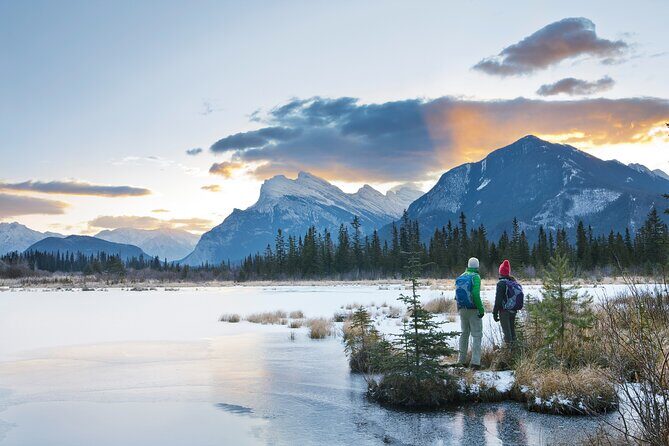
Banff is famous for big views and clean trails. But long before those mint-green brochures, Banff had an industrial heartbeat—coal mining in the early 1900s. On this tour, you’ll walk with that mindset, so ordinary corners start looking like evidence: loading sites, town growth clues, and the day-to-day reality for miners and families in a remote place.
The best part is how the story is told. The guide doesn’t just list dates. The focus is on how the mining community worked—who relied on it, what life was like for workers, and why the operation eventually faded. That context helps you understand Banff National Park’s origin too, including the founding era that links the town, railroads, and early tourism together.
Other walking tours we've reviewed in Banff
The 2-hour shape: what you’re doing with your time
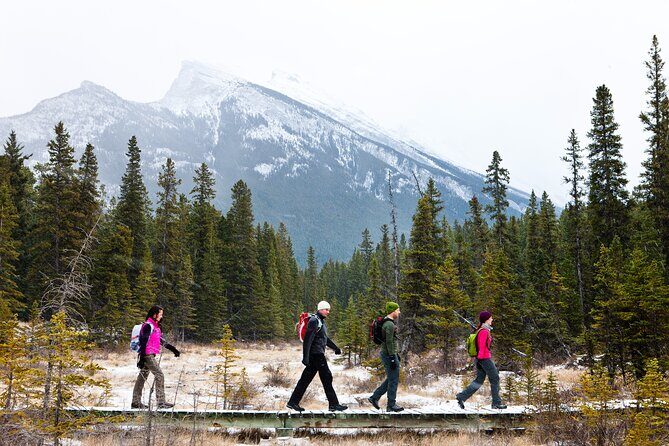
This is a tight 2-hour experience, and that matters. You’re not signing up for an all-day trek. Instead, you’re getting a guided loop with multiple stops where you can listen, look around, and keep moving at a comfortable pace.
I like the format for visitors who want a meaningful chunk of Banff context without blowing half the day. You also get the “transport plus walk” setup, which reduces the guesswork of getting from one area to the next.
In practice, this also means you should show up ready to walk. Even when one route option is mostly paved, you’re still outside, and you’ll want grippy shoes and a weather-friendly layer.
Banff Park Museum transfer: the easiest way to start

Your tour starts with a hassle-free transfer from Banff Park Museum National Historic Site area, and it ends back at the same meeting point. That’s a big deal in Banff, where parking and timing can eat your energy.
You don’t have to solve logistics before your history walk. You just meet the group, get briefed, and go. The local guide also handles the driving, which keeps things simpler for you—especially if you’re visiting from another province and you don’t want to figure out routes on the fly.
If you’re planning a day in Banff, I’d treat this like your “orientation with a story” slot. It pairs nicely with later sightseeing because you’ll start recognizing how the town grew.
The walk route choices: muddy trails or mostly paved
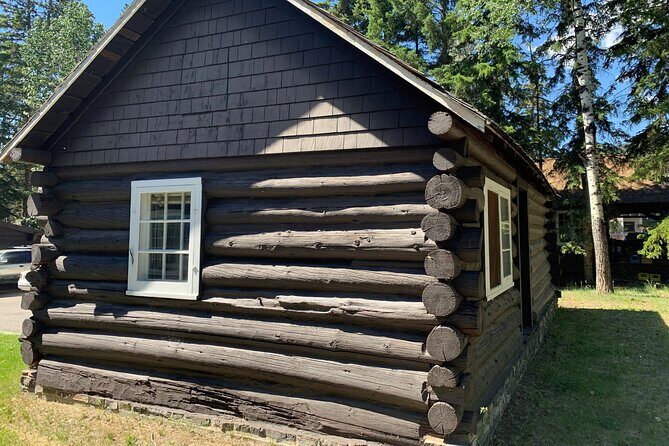
One of the most practical features here is the route choice. The guide offers an option between muddy trails and routes that are mostly paved, and you can pick based on comfort level and conditions.
That sounds small, but it changes the entire vibe. If you go with muddy trails, you’ll likely feel more immersed in the outdoors, but you’ll want footwear that can handle wet patches. If you choose mostly paved, you’ll keep things easier on your legs and shoes while still getting the stories at each stop.
I also like that the guide gives choices early. It signals that the tour is meant to fit real weather and real bodies, not just a fixed script.
Stop-by-stop: what the guide is pointing out
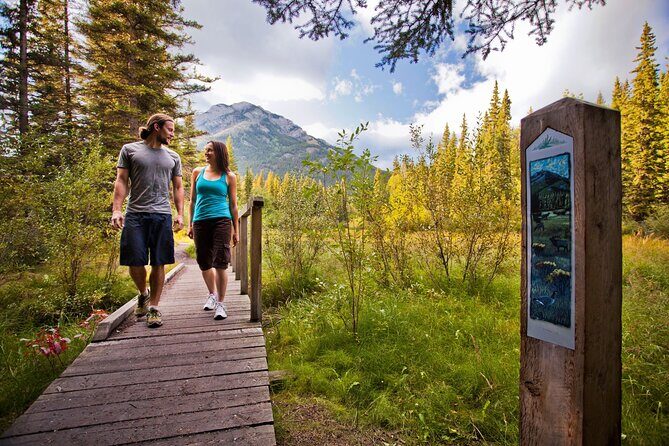
This walking history tour is built around Banff National Park and the town’s early industrial life. You’ll hear how Banff became Canada’s first national park area brand, while also learning how the coal mining boom shaped daily life before that park identity took over.

Coal-loading remains and industrial clues
A key theme is the visible leftovers from coal activity. The route often includes remnants tied to coal loading facilities, which gives you a tangible way to picture how coal moved and how work operated. The guide uses these spots to explain the town’s hustle—where people lived, what they depended on, and the friction between industry and the rugged setting.
Even if you’re not a big “industrial history” person, these stops work because they’re explained in plain language. You’re not memorizing jargon. You’re connecting what you see to why it existed.
Cave and Basin area context
Another standout stop is around the Cave and Basin area, where the founding-era story comes into focus. You’ll hear how the park’s early days connected with Banff’s growth and with railroads, and how early visitors experienced the place—often in a very Victorian way, with the kind of characters and plot twists that make history feel less like a textbook.
This is where the tour earns its humor. The guide keeps the pace lively, so even heavier topics land without turning into a lecture.
Railroads, tourism, and the people behind the legends
Banff’s story isn’t only about miners. It’s also about access—how railroads pulled people in, and how early tourism shaped the town’s identity. You’ll learn how those ties shifted Banff from remote work site to visitor destination.
And yes, you’ll also hear about questionable characters and the human side of the era. It’s the sort of detail you can’t get from a standard viewpoint sign.
Lake Louise and beyond (when conditions allow)
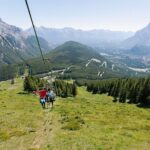
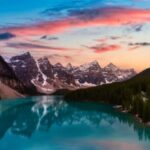
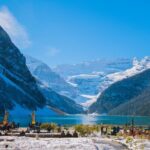
One of the tour highlights is exploring spots like Lake Louise and beyond. Depending on conditions and the day’s planning, you may get scenic stops that extend outward from town rather than staying strictly in one pocket.
If your goal is history plus views, this piece is important. It’s not just a history walk with occasional scenery. The scenery is part of how you understand why people cared about this area.
Views, plants, and animals: why the outdoors matters here
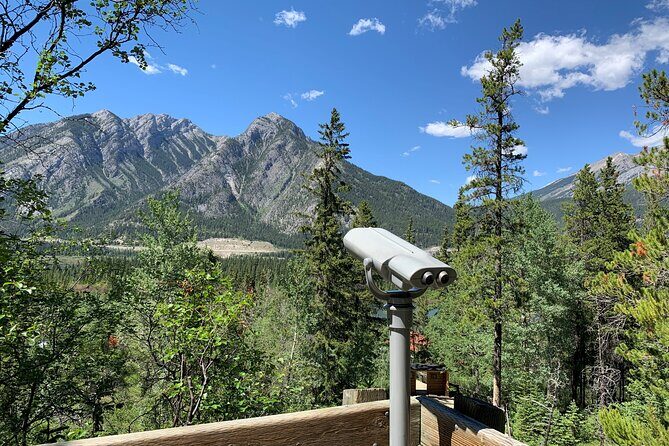
This tour has a history spine, but it doesn’t ignore the living park around you. You’ll pick up ecological facts as you walk—plus plant and animal information along the way.
That blend is a practical win. When you’re outside and moving, it’s easier to remember what you learn. And it keeps the tour from feeling like you’re only listening while standing still.
If you like small nature touches—how a certain plant grows, what animals you might spot, why the area looks the way it does—this is a nice match. It turns your history walk into a “two-for-one” outing: past and present in the same loop.
Seasonal reality: winter snow and shifting stops
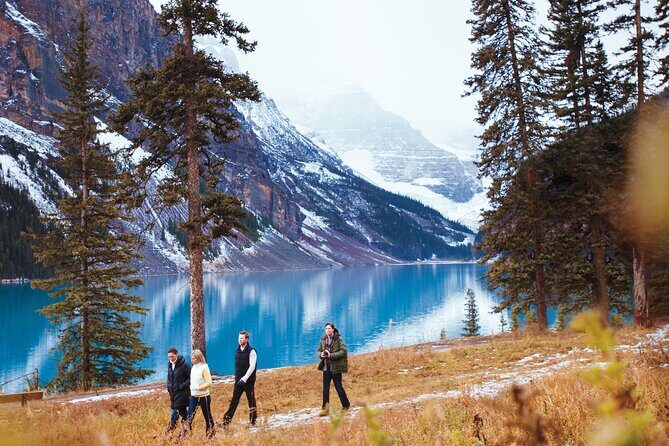
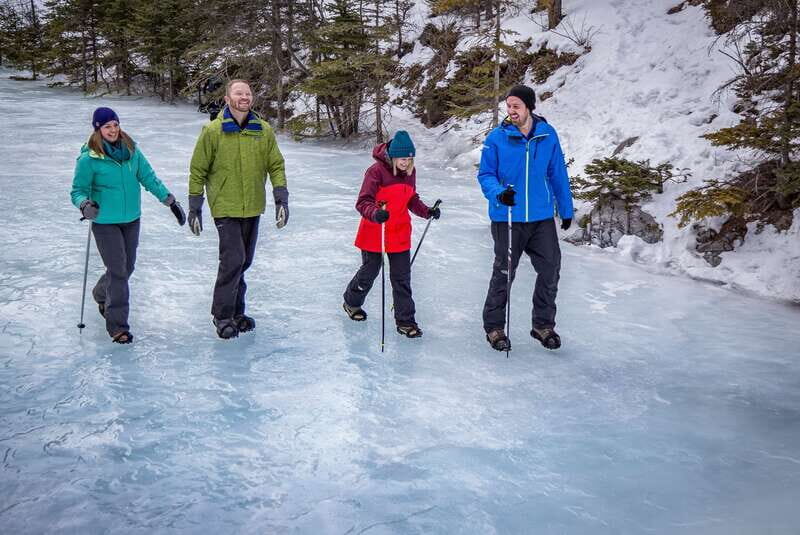
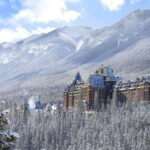
Banff in winter is gorgeous. It’s also slippery, and some trails can become unsafe or inaccessible. The guide adjusts the tour based on conditions, and in winter that can mean certain locations may not be reachable due to snow cover.
This matters for planning. If you’re visiting in colder months, come with flexibility. You’re still getting the story, but the exact scenery stops may shift to keep the route safe.
If you’re traveling with someone who hates uncertainty, it can help to know this in advance. Weather is part of Banff. A good tour should respond to it, and this one does.
Group size and energy: what 12 people changes
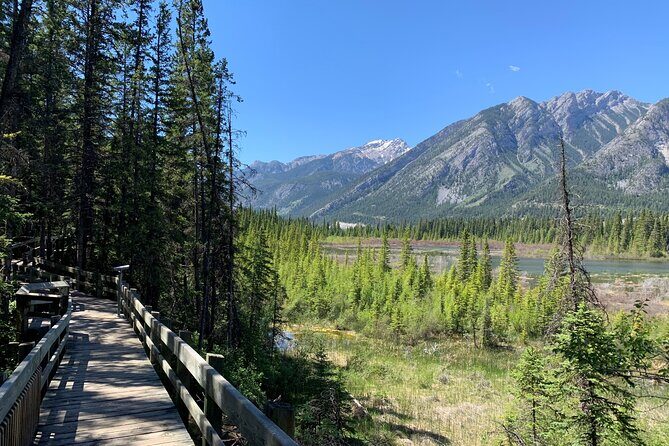
With a maximum of 12 travelers, the tour stays in the comfort zone. You’ll be close enough to hear the guide clearly at stops, and the guide can also adjust pace when someone needs a break.
Small groups also make the experience feel more like a shared walk than a choreographed production. You’re more likely to get questions answered and to hear follow-ups when people ask about the coal era, railroads, or early park life.
If you’re the kind of traveler who prefers “talking with the guide” over “standing in a line,” this size is a plus.
Price and value: is $93.44 fair for this 2-hour format?
At $93.44 per person for about 2 hours, this is not the cheapest thing in Banff. But you are paying for a few value drivers that add up:
- A local guide leading history-focused stops tied to real places
- Transportation from the Banff Park Museum meeting area (so you’re not figuring it out yourself)
- A small group size that improves listening and flexibility
- Route choice options (mud vs mostly paved) that help match comfort and conditions
If your main goal is a casual scenic stroll, you might feel the price. But if you want Banff’s backstory—coal town life, founding-era context, railroads, and the early tourism edge—this feels like a sensible way to buy context.
For me, the best justification is simple: it saves you time and mental effort while delivering guided interpretation you’d otherwise miss.
Who this tour is best for (and who should skip it)
This works well for you if:
- You like history stories you can picture, not just dates
- You want Banff context beyond the standard viewpoints
- You’d rather be guided than self-navigate multiple stops
- You’re comfortable with a moderate walk outdoors
- You care about the mix of history and scenery, including Lake Louise in the route mix
It might not be the best fit if:
- You want a long hike with lots of free time
- You dislike any chance of muddy or uneven footing
- You only want dramatic views and don’t care about industrial or founding-era stories
Practical tips before you go
Bring shoes you trust. Even the mostly paved option can still include rough patches. Bring a layer for wind and temperature swings. In the mountains, conditions change fast.
If you’re offered the route choice, pick what matches your comfort level. Muddy trails can be fun and very “real outdoors,” but only if you’ve got proper grip.
And if you’re visiting in winter, plan mentally for adjustments. The guide is already set up to reshape stops when snow makes parts of the area unsafe or unreachable.
Should you book Banff LOST TOWNS and Untold Stories?
I’d book it if you want Banff with a second layer: coal-town work life, founding-era context, railroads, and a guide who can make it funny without losing the facts. The small group size and the option between muddy and mostly paved routes make it feel built for actual humans, not just a fixed route.
Skip it if you’re only chasing photos and don’t care about how Banff got here. Also, if you hate outdoor changes due to weather, know that winter can force route adjustments.
For most visitors, though, this hits a sweet spot: history you can see, plus scenery that keeps you outside and engaged.
FAQ
Where does the tour start and end?
The tour starts at the meeting point near Banff (listed as 5C96+R7 Banff) and ends back at the same meeting point.
How long is the experience?
It’s approximately 2 hours.
Is there transportation included?
Yes. The tour includes hassle-free transfers from the Banff Park Museum National Historic Site area, and the local leading the tour handles the driving.
What group size should I expect?
The tour is limited to a maximum of 12 travelers.
What language is the tour in?
The tour is offered in English.
Do I need a printed ticket?
No. You’ll receive a mobile ticket.
Is it canceled if weather is bad?
The experience requires good weather. If it’s canceled due to poor weather, you’ll be offered a different date or a full refund.
Can I cancel for a full refund?
Yes. You can cancel up to 24 hours in advance for a full refund.