REVIEW · BANFF
Banff Highlights & Wildlife | Award-Winning Small Group Adventure
Book on Viator →Operated by Radventures · Bookable on Viator
Wildlife is a numbers game in Banff. This award-winning small-group adventure aims to improve your odds with a dusk-focused schedule and a guide who works the area for the latest animal sightings. You also get real Banff scenery stops, so even a quiet wildlife moment still feels like a proper outing.
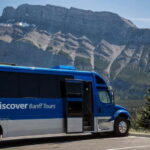
I really like the small group cap (12 people). It keeps the vibe calm when you’re scanning for movement, and you spend more time at places with potential instead of waiting behind bigger buses. I also love the modern minibus with panoramic windows—it makes it easier to spot wildlife safely and take photos without climbing in and out of a vehicle every time something moves.
One key consideration: wildlife is never guaranteed. You’ll visit strong areas for scanning, but animals roam freely, and conditions can change fast—so book with flexible expectations.
In This Review
- Key things you’ll notice right away
- Why dusk wildlife tours beat self-driving in Banff
- The minibus experience: comfort that actually helps your spotting
- Stop 1: Mount Norquay Road viewpoint (15 minutes)
- Stop 2: Lake Minnewanka and Two Jack Lake (30 minutes)
- Stop 3: Hoodoos Trail red chair views (20 minutes)
- Stop 4: Surprise Corner and Tunnel Mountain (15 minutes)
- Stop 5: Bow Falls (15 minutes)
- What the guide is really doing for you
- Price and value: what $94.06 is buying you
- Who should book this Banff highlights and wildlife tour
- Quick tips to make your odds better
- Should you book Banff Highlights & Wildlife?
Key things you’ll notice right away
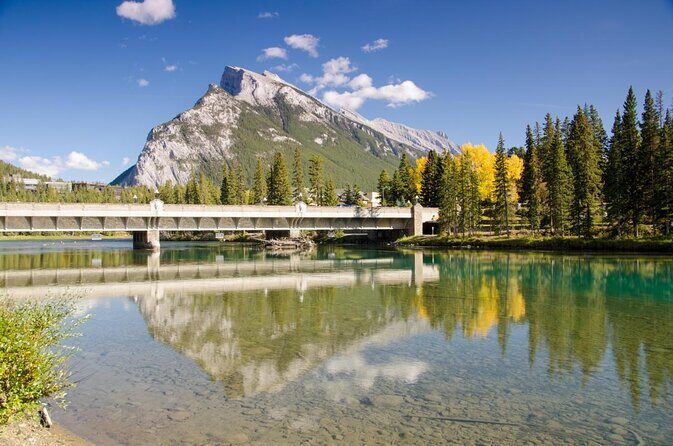
- Dusk/sunset timing to help you catch animals when they’re more active
- Max 12 guests for easier spotting and a more personal rhythm
- Panoramic-window minibus for safer, steadier wildlife viewing and photography
- Guide-led route tweaks based on recent sightings, seasonal weather, and crowd flow
- A mix of short hikes and big lookouts with Mount Norquay, Hoodoos Trail, and Bow Falls
Why dusk wildlife tours beat self-driving in Banff
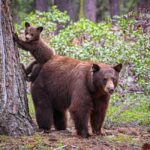
If you’re hoping to see bears, elk, bighorn sheep, foxes, coyotes, or other local wildlife, timing matters. This tour runs at dusk or sunset, when animals often move more and the light makes everything look better too. Even when wildlife is slow, that golden hour glow makes Mount Norquay and Bow Falls feel like part of the show, not just a waiting room.
The other advantage is the guide’s attention to the real-time map in their head. The route isn’t fixed like a theme-park conveyor belt. Instead, the guide checks recent wildlife sightings, seasonal weather, and even the schedules big-bus operators follow. That matters in a place where crowds can turn prime spotting areas into parking-lot photography sessions.
You’re also not doing this from scratch. With pick-up and drop-off at the Banff Train Station area, you can start focused: water ready, eyes up, camera set, and shoes on for the short walks.
Other Banff wildlife & safari tours we've reviewed in Banff
The minibus experience: comfort that actually helps your spotting
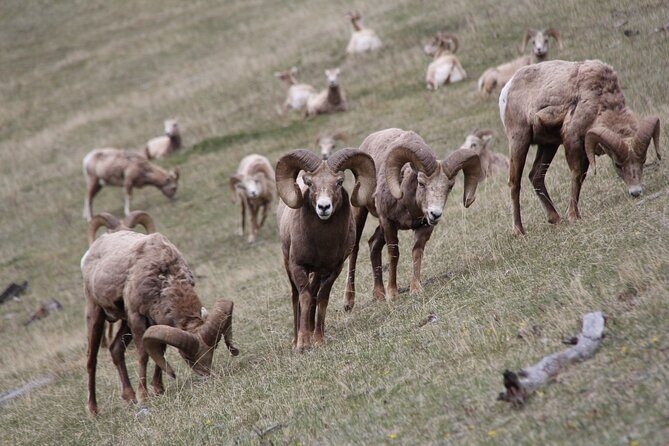
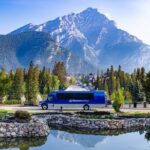
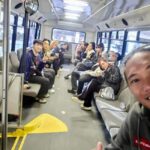
This isn’t one of those cramped shuttles where you spend the whole ride fighting for a window view. The transport is upscale and modern with large panoramic windows, which is a big deal for wildlife viewing. You can scan with less glare and less elbow-to-window jockeying.
The tour is built around short stops, not long hikes. You’ll spend about 15–30 minutes at most locations, which is ideal if you want variety without losing the best part of the day to travel time. The trade-off is that you won’t get an all-day nature ramble. But in a wildlife-focused outing, speed-to-sightings is the point.
Also plan to bring your own water bottle. The tour includes water refills, but it’s on you to carry it.
Stop 1: Mount Norquay Road viewpoint (15 minutes)
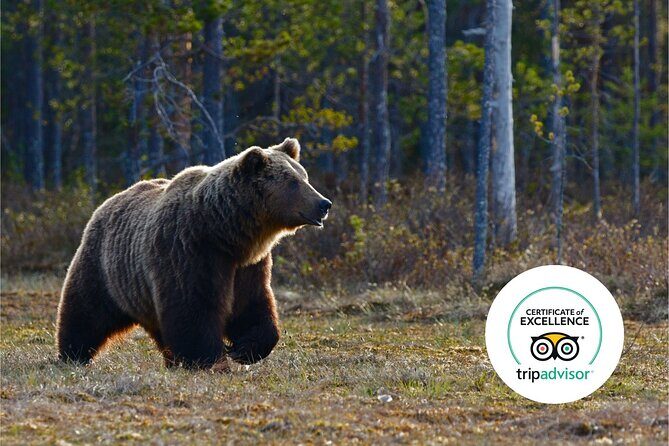
Your tour starts by heading up Mount Norquay Road. This is the area tied to Banff’s first ski resort, which gives the drive a little extra story beyond scenery.
The stop itself is short—about 15 minutes—but it’s the kind of short stop that works. You’re not rushing through a long trail. You’re going for one clear purpose: a strong overlook that frames the town of Banff with the big mountains around it.
What I like about this start: it gives you context fast. Before you head toward the lakes and valley wildlife zones, you get your bearings. That makes the later scenery feel connected, like you’re moving through the same landscape from different angles.
Stop 2: Lake Minnewanka and Two Jack Lake (30 minutes)
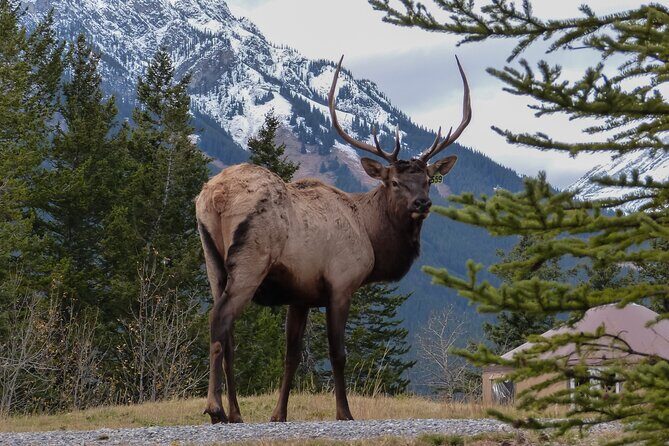
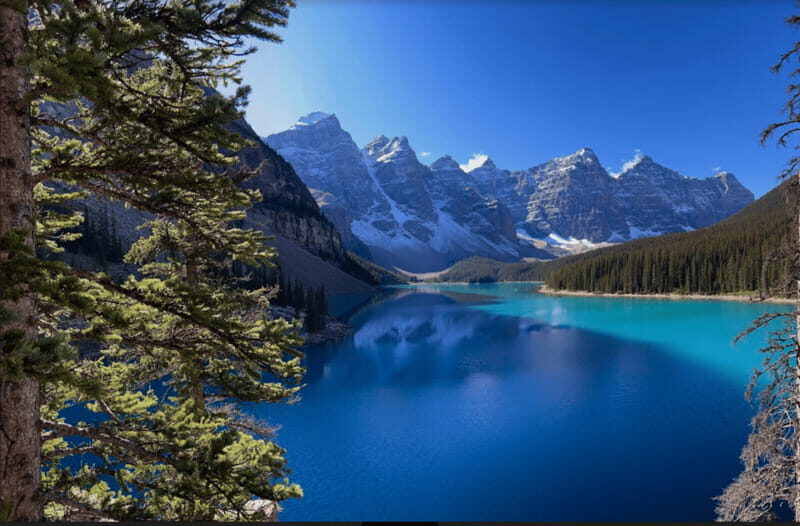
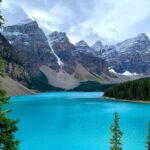
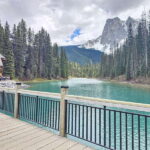
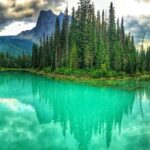
This is the main wildlife scanning block. You travel deep into Banff National Park to explore Lake Minnewanka and Two Jack Lake, both glacially fed and known for that deep blue look.
The timing here is about 30 minutes. That’s not a long beach stroll, so you’ll want to walk slowly and pause often. This is where you’ll keep your eyes peeled for animals like bears, elk, bighorn sheep, deer, coyotes, foxes, and more. You’ll probably also notice how wildlife sighting luck often comes down to spotting tiny movement first—then realizing what it is as it stands still to stare back.
One practical tip: don’t treat wildlife stops like photo stops only. Take photos if you want, but keep your head up and your brain in scanning mode. On a short schedule, constant small checks beat one long burst of photographing.
Stop 3: Hoodoos Trail red chair views (20 minutes)
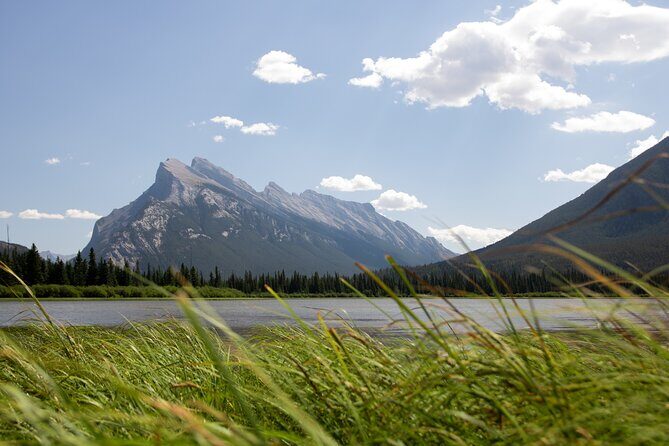
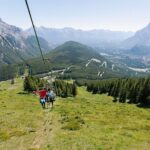
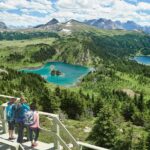
Next up is the Hoodoos Trail, a short walk to one of Banff National Park’s famous red chair viewpoints. Expect roughly 20 minutes here. It’s the kind of stop that gives you drama without asking for a big commitment.
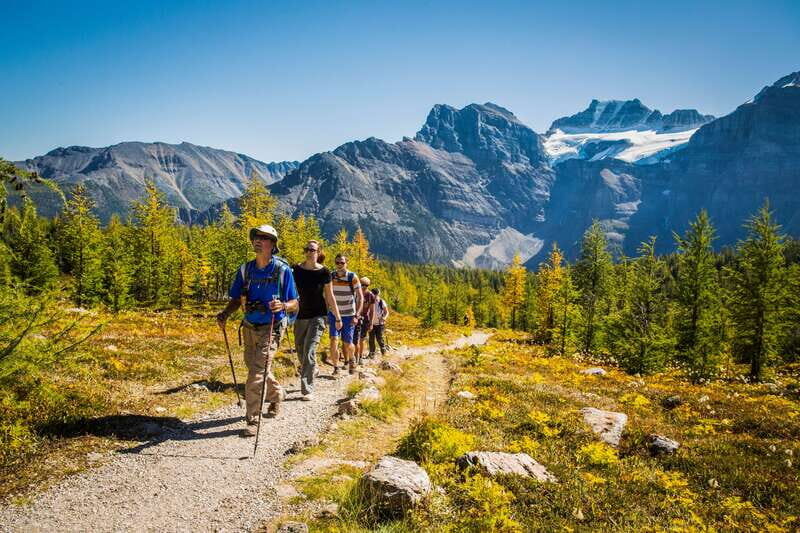
You’ll look out over Hoodoos and the Canadian Rockies spilling across the Bow Valley. This is where the scenery does the heavy lifting, and you get a break from pure wildlife searching.
A consideration: if your top priority is animals, this isn’t the longest stop. Use it as a reset. Take in the views, enjoy the rocks and formations, and then switch back to wildlife mode for the next drive.
Other Banff highlights & sightseeing tours we've reviewed in Banff
Stop 4: Surprise Corner and Tunnel Mountain (15 minutes)
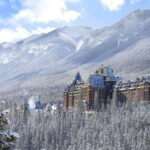
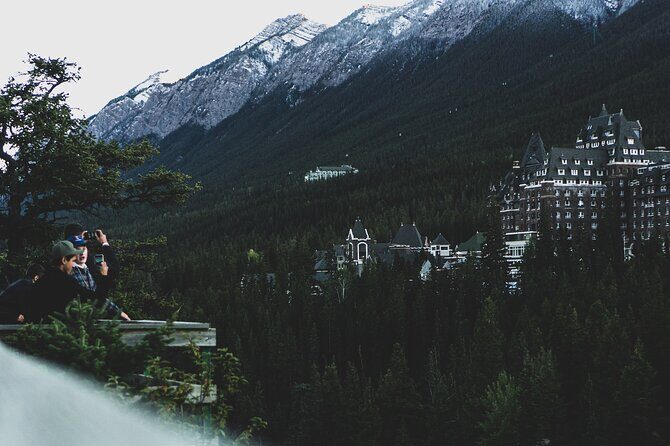
Then you head to Surprise Corner, which focuses on a “castle in the sky” style view through the alpine forests toward Tunnel Mountain and a famous local hotel.
This stop is about 15 minutes. It’s a quick visual payoff stop, and it can be especially satisfying if you like architecture and story-driven viewpoints as much as you like wildlife.
What makes it worth the time: you get a classic Banff mix—forest textures in the foreground, a mountain backdrop, and a landmark shape that reads instantly in photos. It also helps break up the day’s rhythm so you’re not only sitting in transit waiting for the next scan.
Stop 5: Bow Falls (15 minutes)
Finish with Bow Falls, a spot tied to pop-culture history. The fall is famous for appearing in the 1953 Marilyn Monroe film River of No Return.
You’ll have about 15 minutes here. That’s usually enough time to find a viewing angle, take a few photos, and watch the water do its thing.
This last stop is a good closer because it works for everyone, even if wildlife sightings were modest earlier. You get motion, sound, and one more Banff moment that feels complete.
What the guide is really doing for you
The biggest value isn’t just where you go—it’s how the guide decides. The tour actively tracks recent wildlife sightings and factors in seasonal weather and crowd movement. That’s the practical difference between this and driving the route yourself with a map and a prayer.
You’ll also get expert local guiding that blends wildlife logic with place-based storytelling. A lot of the praise centers on guides who keep the tour friendly and upbeat, without rushing you. Names you may encounter on this route include Nolan, Lubo, Charlie, Tyler, Gini, Cam, Ollie, Liam, Bee, and Dan. Across those guide styles, the common thread is clear explanations at stops and an attitude that makes the ride feel more like a guided outing and less like a checklist.
There’s also an added human touch: some guides help with photos at key stops, and at least one guide is specifically noted for being patient during boarding and getting everyone settled when someone had limited mobility.
Price and value: what $94.06 is buying you
At about $94.06 per person for roughly 3 hours, this isn’t a cheap “just drive around” option. But it’s not trying to be. It’s paying for the parts that cost real time and attention:
- A small-group cap (max 12) that improves the viewing experience
- Modern minibus with panoramic windows
- Expert guide who adjusts stops based on recent sightings and conditions
- Dusk/sunset scheduling aimed at more active wildlife hours
- Pick-up and drop-off around the Banff Train Station
What’s not included is also important for value math. A Park Pass is required, and hot drinks like tea, coffee, or hot chocolate are described as being available in winter only. Gratuities aren’t included either, though they’re appreciated (not required).
If you’re debating self-driving, I’d think about risk. With wildlife, you’re paying to reduce wasted driving time and to improve your odds of arriving at the right place at the right moment. If you like the freedom of your own car, you can absolutely drive. But if you want to relax, scan, and let someone else handle the timing and route adjustments, this tour is built for that.
Who should book this Banff highlights and wildlife tour
This is a strong fit if you want:
- Wildlife chances without doing constant navigation and parking
- A calm group size that makes scanning easier
- A dusk plan that feels smarter than daytime wandering
- Short stops with big viewpoint payoffs
It’s also a good pick if your pace needs to stay moderate. Most people can participate, and you get short walk moments rather than a long hike day. Kids 5 and under can’t join, so it may skew toward families with older kids or adult-only trips.
If you’re a hardcore hiker who wants miles of trail time, this probably won’t satisfy you alone. It’s more about movement between hotspots than spending hours on one track.
Quick tips to make your odds better
You can’t control animal behavior, but you can control your readiness.
- Bring a water bottle and refill it on the go
- Dress for cooler dusk temps (Banff evenings can feel sharper fast)
- Keep your eyes scanning on the lake stop instead of only stopping for photos
- Be ready for quick off/on moments at short stops—15 to 30 minutes moves quickly
And if wildlife is quiet on your date? Don’t panic. The itinerary is built so you still get classic Banff lookouts, red chair views, and Bow Falls by the end.
Should you book Banff Highlights & Wildlife?
Yes, if your goal is simple: improve your wildlife odds with a small group and a guide who works the area in real time. The capped group, panoramic-window transport, and dusk timing are the core reasons this tour tends to feel worth it.
I’d skip it only if you need guaranteed wildlife sightings or if you mainly want long hikes and deep walking trails. Also check the season details for hot drinks, and remember the Park Pass is not included. If you go in expecting wildlife as a possible bonus rather than a promise, you’ll likely enjoy how much Banff you cover in just a few hours.