REVIEW · BANFF
Banff: Introduction to Ice Climbing for Beginners
Book on GetYourGuide →Operated by Alpine Air Adventures Inc · Bookable on GetYourGuide
Banff ice climbing sounds intense, until you try it the beginner way. This 7-hour intro course takes you out in winter conditions to learn how to walk on crampons and climb a frozen waterfall with a strong safety focus.
I really like that you’re not thrown into the deep end. You learn core skills step-by-step, and you get a certified guide at your shoulder. I also love that the training is built around real movement: stance, body positioning, and top-rope belay basics. The main drawback to know ahead of time is that you’ll need your own transportation and you’ll be active in cold weather, so plan your day around that.
In This Review
- Key things I’d highlight before you go
- How Beginner Ice Climbing Works (Without Making It Scary)
- Where You’ll Climb: Banff, Lake Louise, or Field BC (Conditions Decide)
- The Meeting Point: Alpine Air Adventures Office in Banff
- What You Actually Learn: Crampons, Ice Axe, and Body Position
- Top-Rope Belay Basics: Safety Skills You Can Feel
- A Frozen Waterfall Day: Climb, Practice, Repeat
- When It’s Brutally Cold: Staying Warm Without Losing Momentum
- Gear Included: What You Don’t Have to Rent
- Price and Value: Is $179 Reasonable for a 7-Hour Skill Course?
- What to Bring: Your Cold-Weather Checklist
- Who This Course Fits Best (and Who Should Skip It)
- Booking Reality: Group Start and Weather Changes
- The Short Version: Should You Book This Beginner Ice Climbing Course?
- FAQ
- How long is the ice climbing experience?
- How much does it cost?
- Where do I meet the guide?
- Do I need my own transportation?
- What climbing location will we use?
- What’s included in the price?
- What should I bring?
- Is the course suitable for children?
- Are there medical or mobility restrictions?
- What are the cancellation rules?
Key things I’d highlight before you go
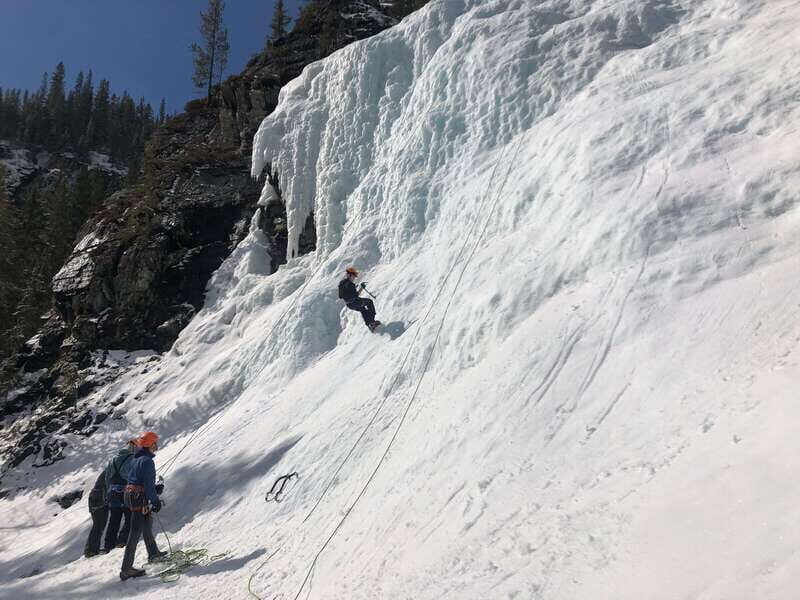
- Beginner-first safety: skills start with fundamentals, not guesswork
- Crampons and ice axe basics: walking technique and control come early
- Top-rope belay training: you learn how top rope works and why it matters
- A frozen waterfall day: you get climbing time in a true ice setting
- Guides who adapt to conditions: one guide, Shea, made it easier to stay warm at -20°C
- All technical gear included: helmet, harness, boots, crampons, ice axe
How Beginner Ice Climbing Works (Without Making It Scary)
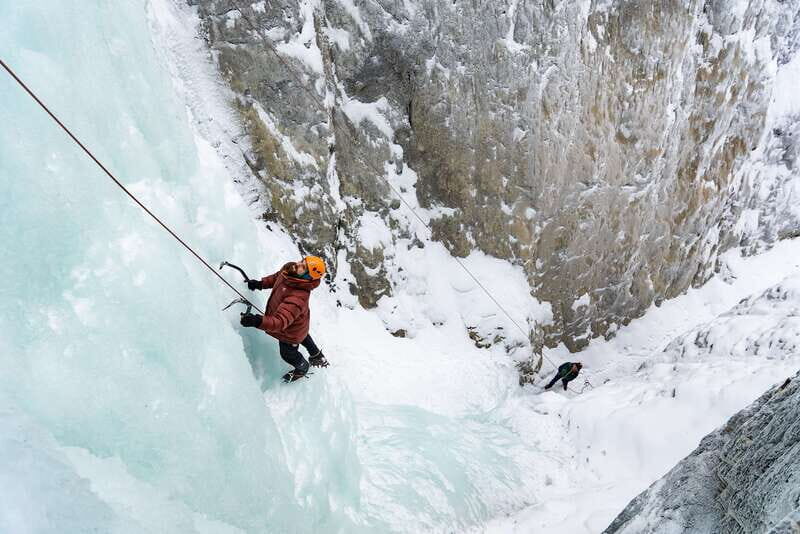
This course is designed to introduce ice climbing as a skill you can learn, not a stunt you have to survive. The whole approach is safety oriented and beginner-friendly, so you start with basics and build confidence as the day goes on. You’ll spend the morning learning tools and movement, then shift into climbing so you can feel how it all connects.
You’ll also get a real sense of the sport’s rhythm. Ice climbing is part balance, part technique, and part reading what the ice is doing in front of you. With the right instruction, it feels more like controlled climbing than chaotic thrashing.
One more thing I appreciate: you’re not doing this as a vague sightseeing stop. You’re actually practicing. That means you come away with usable skills, not just photos.
Other via ferrata & climbing tours we've reviewed in Banff
Where You’ll Climb: Banff, Lake Louise, or Field BC (Conditions Decide)
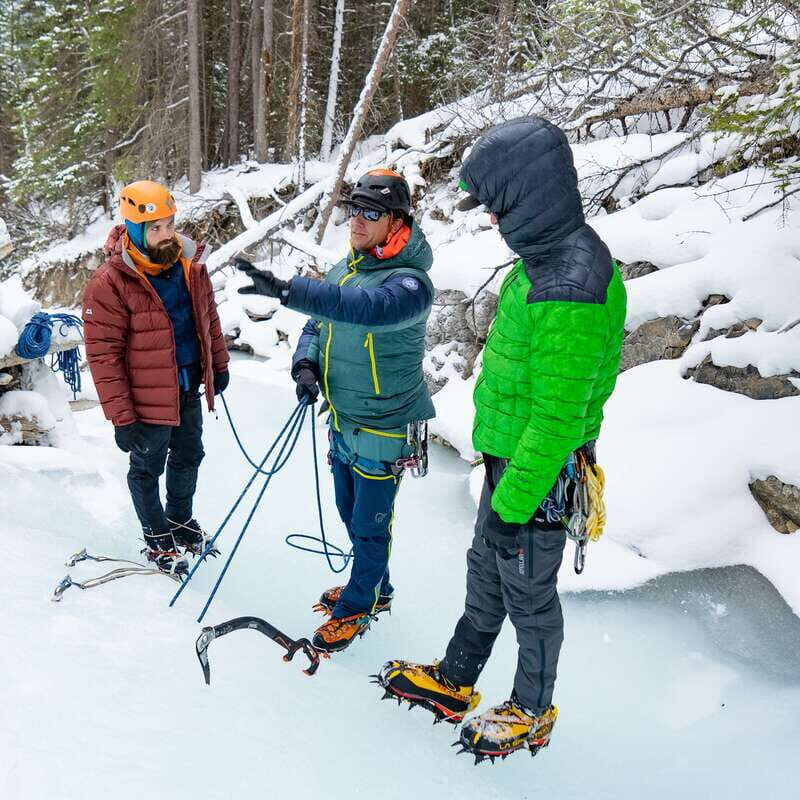
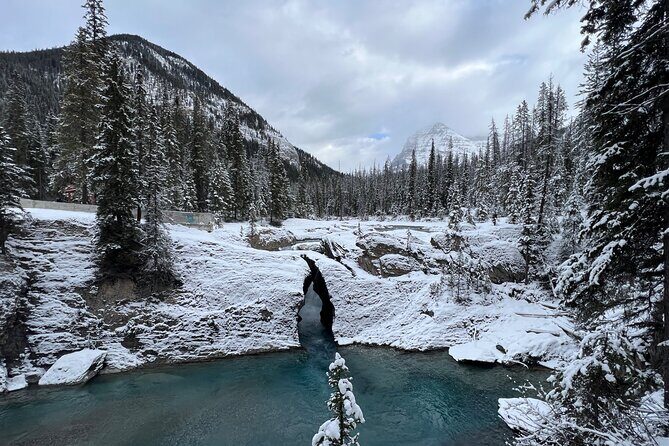
Your field day is held in the Banff, Lake Louise, or Field BC regions. The specific location can shift based on what conditions look like on the day, and you’ll get final logistics in an email package sent about 3 days before you go. That’s a normal reality for winter climbing, where safety comes first.
Meeting time is typically 8 or 9 am, and you’ll finish around 3 or 4 pm. Expect a full day of training, not a quick taster. This timing matters because you’ll want daylight and energy for both learning and climbing.
You’ll need your own transportation to the meeting site and to the climbing area. The provider meets you at their office in town first, then you drive to the climbing site. If you’re depending on someone else’s schedule, I’d line it up early and plan for road conditions.
The Meeting Point: Alpine Air Adventures Office in Banff
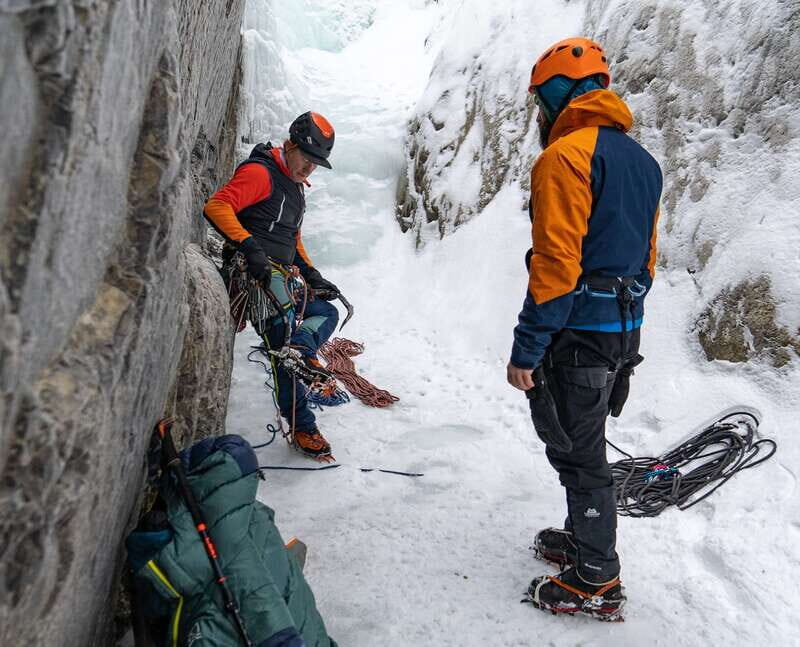
You’ll meet your guide at the Alpine Air Adventures office at 229 Bear St on the lower level, under the movie theatre. It’s an easy landmark when you’re arriving, and it helps the day start cleanly.
After you meet, you’ll be guided through the course and the gear process. I like starting at a base location because it gives you time to get organized before you hit slippery trails and icy gear adjustments.
What You Actually Learn: Crampons, Ice Axe, and Body Position
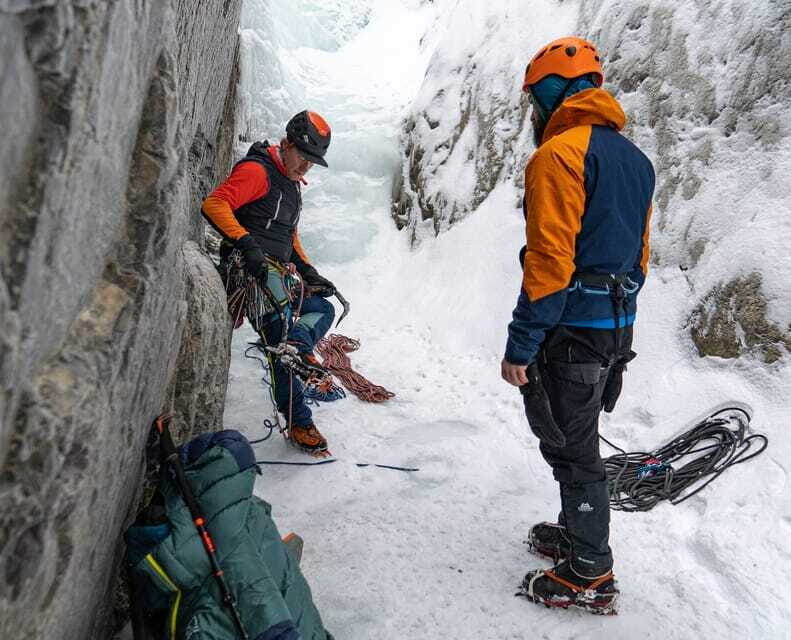
The highlights of this course are the exact skills you need to understand ice climbing basics: walking on crampons and top-rope belay. The training is also about movement awareness—how your body position affects traction and balance on ice.
In a beginner course, crampon technique is everything. If you place your feet casually, you’ll fight the surface all day. If you learn where your weight goes and how to step deliberately, you’ll suddenly feel in control. Expect to practice how to move safely and efficiently in boots fitted for crampons, with guidance on stance and steps.
You’ll also learn about the ice axe and how it fits into your movement. The point isn’t just holding a tool—it’s using it to manage balance and confidence while you’re climbing. That’s why the instruction tends to feel practical and physical. It’s not a lecture day.
Body positioning shows up again and again. You’ll learn that small changes—where your hips are, how you face the wall, where your center of gravity lands—can make climbing feel easier fast. That’s the kind of lesson that transfers to other winter activities too.
Top-Rope Belay Basics: Safety Skills You Can Feel
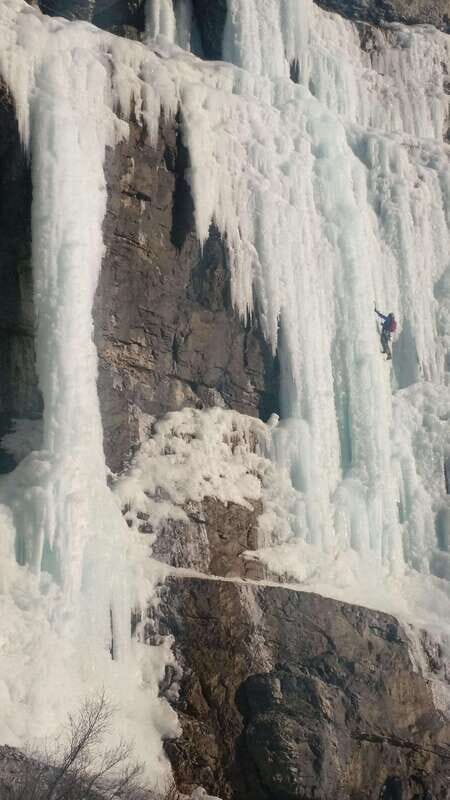
Ice climbing is technical, so you’ll get guidance on belaying top rope. Even if you aren’t the one doing every role, learning how belay systems work helps you understand what’s happening around you.
Top rope is the most beginner-friendly setup for learning because it reduces the complexity of managing your own rope safety at height. But it still demands attention. You’ll learn the fundamentals of how the system is used and what to watch for—especially in cold conditions, where handling can feel harder.
This matters because good belay work is part of how you earn more climbing attempts. If the team is set up well and you’re trained correctly, you spend more time on the wall and less time standing around wondering what the next step is.

A Frozen Waterfall Day: Climb, Practice, Repeat
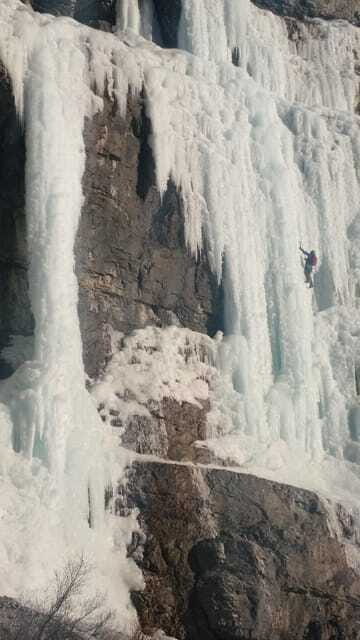
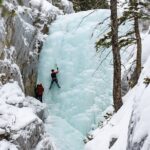
At the center of this experience is the chance to climb a frozen waterfall. That’s the main draw, and it’s also why this course feels different from a generic winter walk.
Your guide will help you climb using the basics you practiced earlier. The day is structured so you can actually get on the ice rather than just learning theory. You’ll focus on controlled movement and getting used to how traction behaves when you’re moving upward.
A useful detail from a real experience: one guide, Shea, set up two different level ropes so students could choose a slightly easier or more challenging course. That approach helped people keep going with more tries while also staying warm in harsh temperatures.
When It’s Brutally Cold: Staying Warm Without Losing Momentum
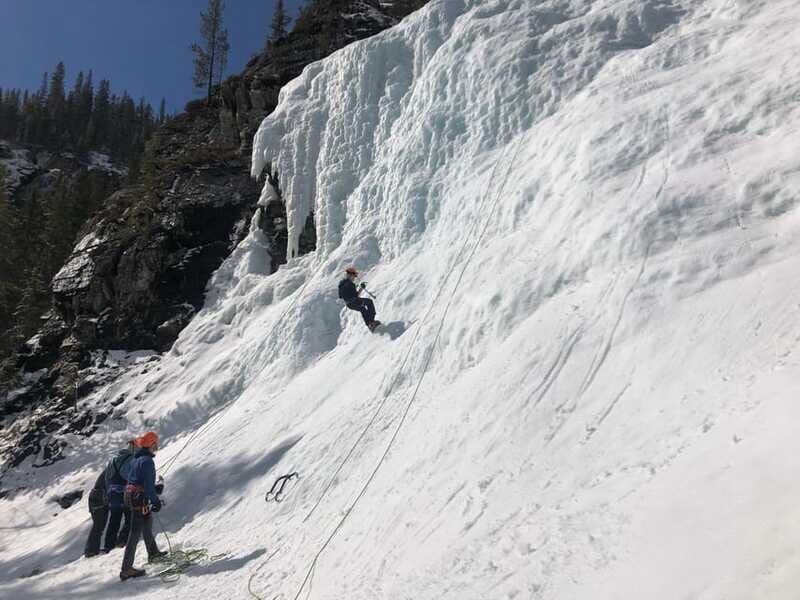
Winter climbing can be seriously cold. In one experience on a -20°C day, Shea was very helpful and made a real effort to keep everyone warm so the cold wouldn’t jeopardize the experience. That kind of guidance is more than comfort—it’s safety.
When it’s that cold, your hands can get slow and gear adjustments become harder. If your body loses heat too quickly, you start to make worse decisions just because you’re uncomfortable. The best guides manage pacing, breaks, and movement so you don’t freeze out before the real climbing time.
You can also do your part. Layering well is not optional. Gloves matter. So does having warm layers that you can move in when you’re climbing and then return to warmth when you’re paused. This course makes it clear you’ll be outside, so come prepared for the full winter reality.
Gear Included: What You Don’t Have to Rent
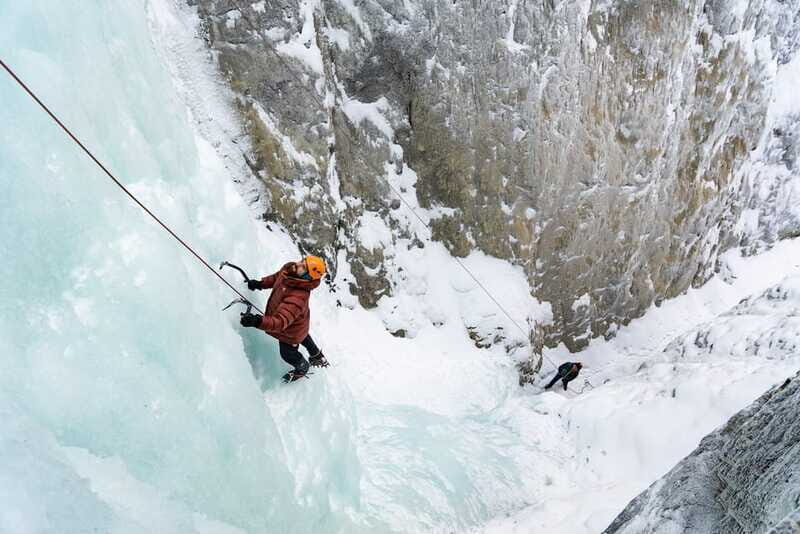
The course includes all technical gear: helmet, harness, boots, crampons, and ice axe. This is a big value point. Renting those items separately can add up fast, and the right fit matters for safety and comfort.
Because the gear is included, you can focus on learning rather than troubleshooting rentals. Also, getting fitted in the right way for crampons and harness setup makes a difference for how confidently you move. If crampons feel wrong, the whole day feels harder.
One less obvious benefit: if something feels off with the equipment, you’re in a system where your guide can help you adjust in real time.
Price and Value: Is $179 Reasonable for a 7-Hour Skill Course?
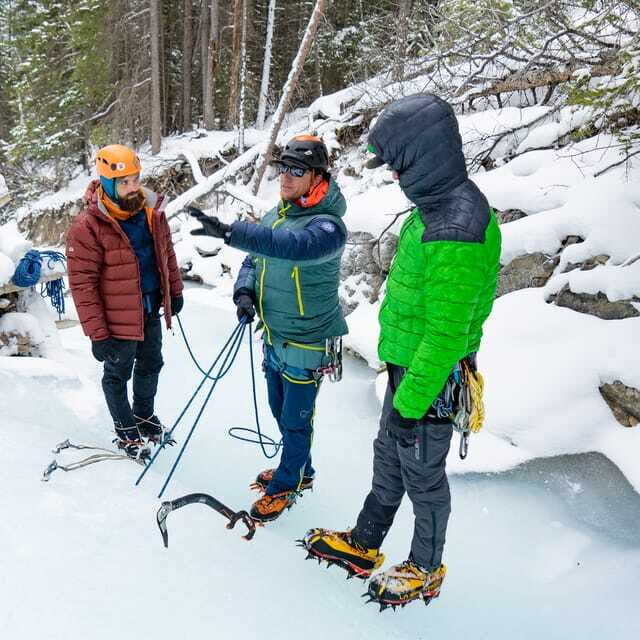
At $179 per person for a 7-hour beginner ice climbing session, the value comes from three places.
First, you get an ACMG-certified mountain guide (and guides are also ACMG and/or IFMGA and Canadian Avalanche Association certified). That’s not just a label. It’s what you want when weather and traction can change quickly.
Second, you’re getting full technical gear included. That removes one of the usual costs and uncertainties of winter activities.
Third, you’re paying for instruction that turns into real competence: crampon walking, ice axe use, and top-rope belay fundamentals. In other words, you’re not just buying time outside. You’re buying skills that make you safer for future winter adventures.
The cost isn’t perfect for everyone, but it’s fairly simple. The price does not include transportation to the climbing site and it does not include food and drinks, so plan for those basics before you head out.
What to Bring: Your Cold-Weather Checklist
This is one of those days where what you wear can shape how much you enjoy the course.
Bring warm clothing and snow clothing, plus gloves and food and drinks. The course expects you to be outside for hours, so pack for cold-to-worse conditions rather than “comfortable-ish” conditions.
If you tend to get cold easily, it’s worth bringing extra layers you can swap. Dry warmth matters. Being dressed right also helps you handle gear adjustments without struggling.
Who This Course Fits Best (and Who Should Skip It)
This is a strong fit if you want to learn a new winter hobby and you like hands-on training. It’s great for enjoying the winter environment with friends. It’s also a good option for families with kids ages 14+.
It’s not suitable for children under 14, pregnant women, or people with mobility impairments or wheelchair users. That isn’t just about access—it’s because ice climbing involves technical gear, uneven surfaces, and physical movement.
If you’re comfortable being active outdoors in winter and you can handle cold temperatures for a few hours, you’re in the right mindset for this course.
Booking Reality: Group Start and Weather Changes
Your course needs at least 4 bookings to move forward. That means the operator may not be able to guarantee the tour until that threshold is reached, so it’s smart to email the team if you’re close to your travel dates.
Also, conditions can change the climbing location. That’s normal in ice work, and the provider builds flexibility into the day plan. If you’re the type who needs strict itineraries with zero variables, this might frustrate you. If you’re okay with weather-driven changes, you’ll probably find it reassuring.
The Short Version: Should You Book This Beginner Ice Climbing Course?
Book it if you want a guided, safety-first introduction to ice climbing in the Banff area and you value hands-on learning. The combo of crampon technique, top-rope belay fundamentals, and actual time on a frozen waterfall is exactly what beginners need to leave with confidence, not just curiosity.
Skip it or reconsider if you can’t manage long cold outdoor hours, you need transportation covered for you, or you fall into the listed groups for unsuitability. Also, if the idea of driving in winter is a dealbreaker for your group, build that into your plan first.
If your goal is to learn a real winter skill and you’re ready to dress for cold, this course is a solid bet.
FAQ
How long is the ice climbing experience?
The duration is 7 hours, with starting times based on availability.
How much does it cost?
The price is $179 per person.
Where do I meet the guide?
Meet at the Alpine Air Adventures office, 229 Bear St on the lower level, under the movie theatre.
Do I need my own transportation?
Yes. The tour does not include transportation to the climbing site, so you’ll need your own car to get there.
What climbing location will we use?
The field day is held either in the Banff, Lake Louise, or Field BC regions, depending on conditions.
What’s included in the price?
You get the climbing experience, a safety briefing and instructions, an ACMG-certified mountain guide, and all technical gear (helmet, harness, boots, crampons, ice axe).
What should I bring?
Bring warm clothing and snow clothing, gloves, and food and drinks. The course expects you to be outdoors for hours.
Is the course suitable for children?
It is not suitable for children under 14. It notes it can be great for families with kids ages 14+.
Are there medical or mobility restrictions?
It is not suitable for pregnant women, people with mobility impairments, or wheelchair users.
What are the cancellation rules?
You can cancel up to 24 hours in advance for a full refund.