REVIEW · BANFF
Rock Climbing Adventure in Banff: Beginner
Book on Viator →Operated by Alpine Air Adventures · Bookable on Viator
Banff rocks are climbable, even for total beginners. I like that this outing stays safety-first while still getting you up the wall, and I also like the small-group feel that makes instruction feel personal. It’s run in Banff with local guides who can adjust what you try based on how your body feels that day, from first-timer jitters to full-on route goals.
This is built as an intro, not a test. You’ll learn core rope skills like top-rope belaying, and you’ll practice climbing technique so it stops being guesswork and starts being muscle memory. Guides including Jacob, Dustin, Janet, Austin, and Sebastien are known for being patient with kids and beginners, which matters if you’re not sure what to do with your hands (yet).
One thing to keep in mind: shoe sizing can be a snag. A previous group had limited options on-site, and it made shoe comfort an issue, so if you have tough-to-fit feet, plan ahead and ask what you can expect for sizing before you go.
In This Review
- Key points to know before you climb in Banff
- Why This Beginner Rock Climbing Day Works in Banff
- Meet at 229 Bear St and plan for an early start
- Banff National Park climbing: what the actual route time feels like
- The safety skills you practice (not just memorize)
- Equipment: what’s included and what to watch for
- What you’ll do at each stage of the day
- Small groups and patient guides: why it matters for beginners
- Value check: is $112.39 worth it?
- Who this suits best (and who might want a different option)
- Weather, comfort, and small practical tips
- Should You Book This Beginner Climbing Adventure in Banff?
- FAQ
- How long is the beginner rock climbing experience in Banff?
- Where does the experience start?
- What time does it begin?
- What’s included in the price?
- What is not included?
- Do I need prior climbing experience?
- How many people are in the group?
- What if the weather is bad?
- Are service animals allowed?
Key points to know before you climb in Banff
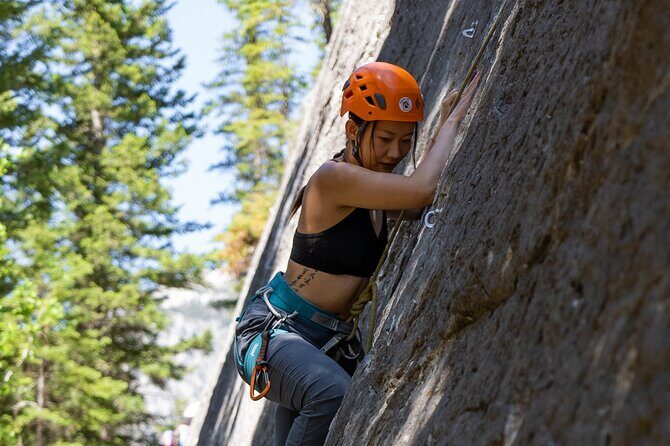
- Small group, up to 8 people, so the guide can watch your form and adjust fast.
- All climbing gear included (helmet, harness, shoes, rope, belay device), so you can travel lighter.
- You’ll climb multiple routes at a local Banff National Park area, not just one short try.
- Safety skills are taught clearly, including site safety, overhead hazard awareness, and belaying basics.
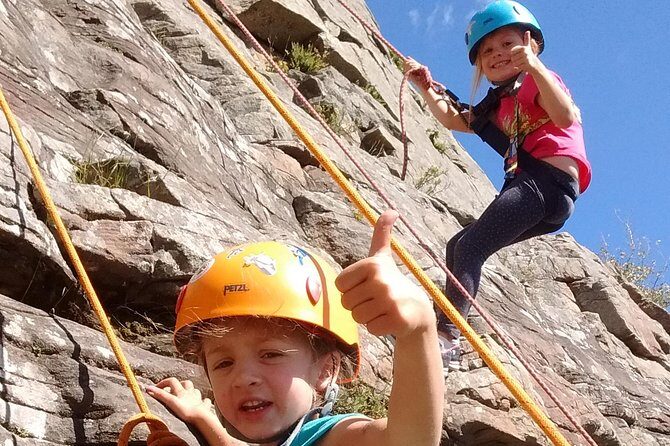
- Beginner-friendly coaching for families, with guides who tailor climbs to kids and teens.
Why This Beginner Rock Climbing Day Works in Banff
Banff is the kind of place where you look at the cliffs and think, I admire that from far away. This experience is designed to break that habit. You get a day that’s part lesson, part climbing time, and part confidence-building.
The big win is that the focus is practical safety, not just rules. Before you’re hanging on the rope, you’ll learn how to think about the climb environment—where hazards can appear, how to spot overhead risks, and how to move with awareness. That’s what helps first-timers relax enough to actually climb.
I also like the “learn and apply” approach. You’re not just watching demonstrations; you’re getting to try climbs and techniques directly. Guides who’ve worked with this group style tend to keep things encouraging, then gently progress you when you’re ready.
Other via ferrata & climbing tours we've reviewed in Banff
Meet at 229 Bear St and plan for an early start
The day starts at 7:45 am at 229 Bear St, Banff, AB T1L 1C3, Canada. It ends back at the meeting point, so you’re not left figuring out logistics later. Plan for a prompt start—this kind of outdoor training works best when everyone arrives ready to gear up.
The experience runs about 7 hours, which is long enough to feel like a real day outside, not a quick “try it and go.” At the same time, it’s short enough that beginners don’t get overwhelmed. If you’re visiting Banff on a tight schedule, this timing is also friendly because it uses the morning when conditions are usually more stable.
Group size is capped at 8 travelers. That’s the difference between waiting your turn and getting real coaching during your tries. You’ll also get a more relaxed pace with the guide watching what you do, not just what you say.
Banff National Park climbing: what the actual route time feels like
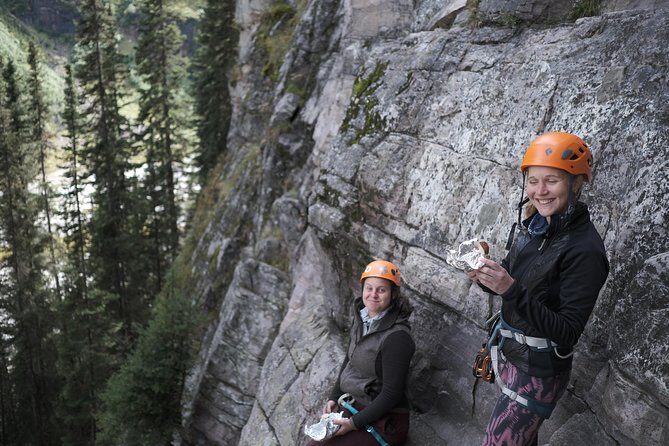
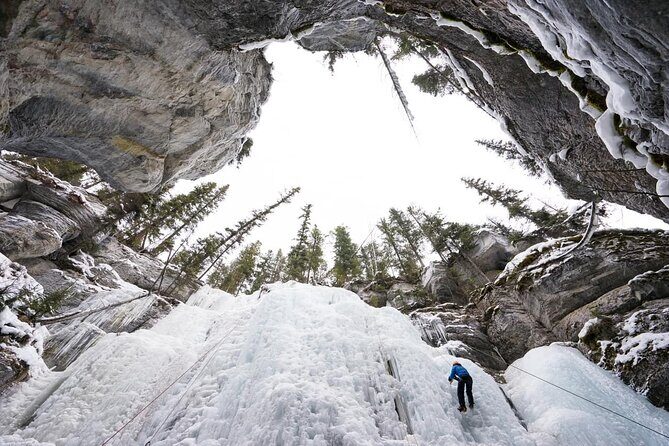
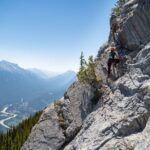
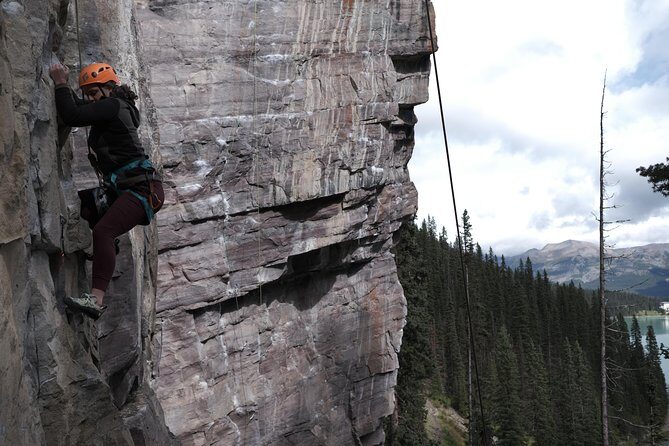
You’ll climb at a local area in Banff National Park, with routes chosen for your level. For beginners, that usually means climbing that’s challenging enough to feel exciting but not so technical that you spend the day worrying. The goal is to get you on the wall quickly and then build competence step by step.
Expect variety. This program includes the chance to try different climbs and develop your technique across them. In one set of experiences, groups reported trying around six different climbing spots during the day, which tells you the pacing isn’t just repetitive. That matters because climbing skill improves faster when you can compare how different angles and holds change the movement.
If you’ve climbed indoors before, you still benefit because outdoor movement is a little different—holds can feel more irregular, and the safety/rope context is more serious. If you’ve never climbed at all, that same difference is why a guide is such a help. You’ll get quick adjustments in body position, foot placement, and how to manage fear while you stay focused.
The safety skills you practice (not just memorize)
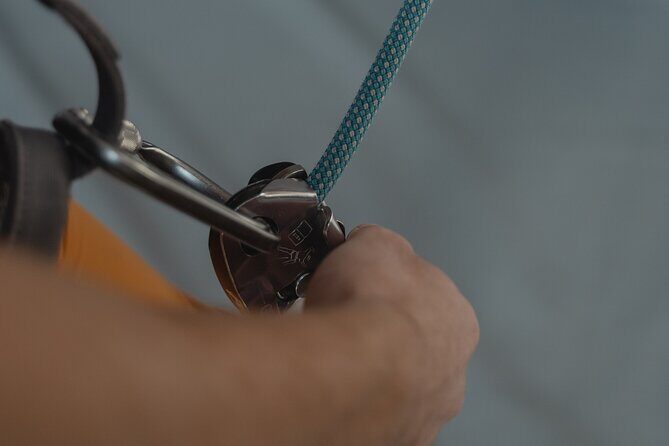
This is a safety-oriented climbing day, and it’s one of the reasons it’s such a good beginner option. The guide team starts with the basics, then expands topics as your group can handle them. You’ll cover core site safety and awareness, including how to recognize overhead hazard risks.
You’ll also learn belaying—specifically top rope belaying and what lead climbers do in a broader sense. Even if you don’t go full send on lead, understanding what lead climbers are doing helps you become a stronger partner at the wall. You’ll also be coached on climbing technique, which is where a lot of first-timers suddenly improve.
Depending on your group’s comfort, you might also touch on advanced add-ons such as steeper rock techniques, using and setting quick draws on bolts, building top rope anchors, mock leads, and rappelling. That’s a smart design choice: you get the beginner foundation, but the day doesn’t feel like a dead end if you’re progressing fast.
Equipment: what’s included and what to watch for
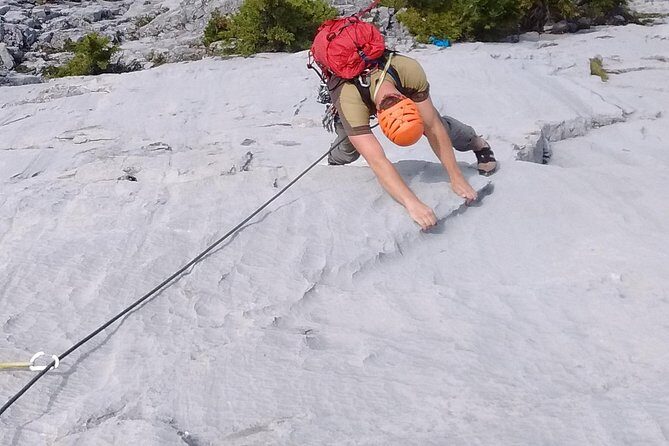
The best part of the gear situation is simple: it’s mostly handled for you. You get all climbing gear including helmet, harness, climbing shoes, ropes, and belay devices. That means you can avoid the headache of renting or packing everything, especially if you’re already juggling winter gear, layers, and weather-proof clothing in the Rockies.
The one caution is footwear fit. A previous group flagged limited shoe sizes on-site, which made comfort difficult for an adult and created tradeoffs for a youth climber. The lesson here is practical: if your shoe size is uncommon or you know you need exact fit, ask ahead about what will be available for your day. Comfortable shoes help you trust your feet—and good foot trust is basically the whole game outdoors.
If you do get shoes provided, treat the fitting as part of the learning. Make sure they feel secure enough for movement, not so tight that toes go numb. Climbing is already intense; you don’t need sore feet adding stress.





What you’ll do at each stage of the day
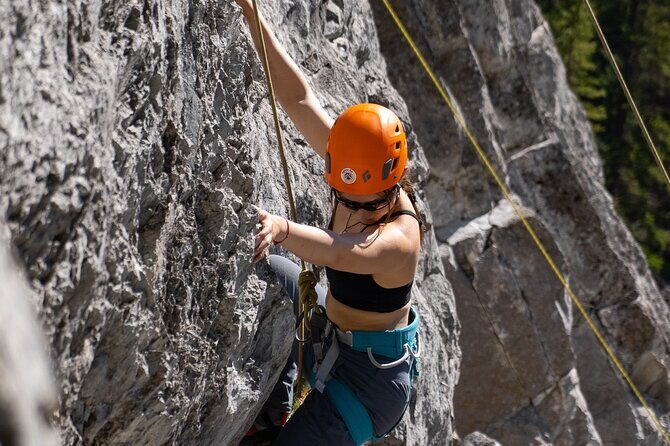
This outing is built for maximum time on the wall while keeping safety steps in the right order. The day starts with getting geared up at the meeting point area, then you head to the local climbing area in Banff National Park.
Once there, you’ll begin with instruction on site safety and how to move around the climbing area responsibly. Then you’ll practice climbing technique and belaying basics before—or during—the climbing sets. This is the rhythm that keeps first-timers from feeling lost.
After that, you’ll rotate through climbing tries on routes that match your comfort and skill. That’s when the “for all levels of experience” promise becomes real: even if you’re a total beginner, you’ll still get meaningful climbs in. If you’re more experienced, you’ll likely be given options to try more technical elements, especially through technique-focused coaching.
Throughout, the emphasis stays on safety and doing the basics right. That’s also what helps families—especially kids—stay relaxed instead of overwhelmed.
Small groups and patient guides: why it matters for beginners

A beginner climbing day lives or dies on coaching quality. The difference between a frustrating day and a confidence-building day is often the guide’s ability to explain things in plain terms and stay calm while you learn.
In this experience, guides are repeatedly described as patient and supportive with kids. That’s a huge deal when you’re climbing with a 9-year-old or a first-time teen—because kids don’t need more pressure, they need clear steps and encouragement that matches the moment.
Guides like Jacob, Dustin and Janet show up in positive stories tied to safety emphasis and technique coaching. Austin is also associated with patience and adaptability for younger climbers, and Sebastien is mentioned for being professional and helpful when people had no prior experience.
The practical takeaway: in a group of 8, you get more feedback during real movement. That’s how you go from thinking about every grip to simply enjoying the climb.
Value check: is $112.39 worth it?
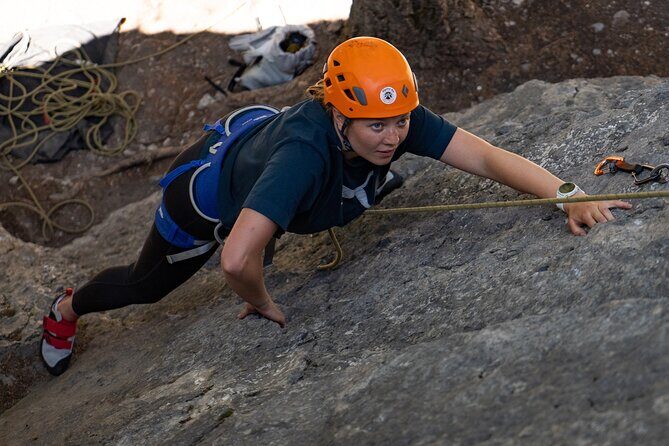
At $112.39 per person for about 7 hours, the value comes from two places. First, the guide time is intensive—this isn’t a self-guided activity. Second, gear is included, which can be one of the biggest hidden costs in outdoor sports.
You’re also paying for safety training you can take with you later, not just a single thrill. Learning overhead hazard recognition, belaying fundamentals, and basic climbing technique means you leave with skills you can use if you climb again in the future. That’s what makes the price feel more like instruction than entertainment.
The tradeoffs: lunch isn’t included, and you’ll need to cover private transportation if you’re driving from elsewhere in Banff. Also, the activity requires good weather, so be ready for rescheduling if conditions aren’t ideal.
Who this suits best (and who might want a different option)
This beginner rock climbing adventure is a strong fit if you want to try outdoors in Banff without prior experience. It’s also a good match for families with kids and for friends who want a guided intro where nobody gets left behind.
If you’re traveling with kids under 10, there’s mention of a half day program you can ask about. That’s worth considering because younger kids often do better with less total time and more frequent breaks.
If you already climb a lot indoors, you’ll still enjoy this day as a safe, structured bridge to outdoor climbing basics. If you’re anxious about heights or rope work, the safety-first approach and the small group size are exactly what you’re looking for.
Weather, comfort, and small practical tips
Because this experience depends on good weather, pack your patience for Banff’s changing conditions. If the activity is canceled for poor weather, you’ll be offered a different date or a full refund, so you’re not stuck eating the cost.
Wear clothes you don’t mind getting scuffed and that let you move your arms freely. Underlayers matter. Banff mornings can feel crisp, and you’ll be outside for a long stretch.
Most of all: go with the mindset that your goal is learning and steady progress. Beginners often expect to climb like indoor routes right away. Outdoor climbing is different, and the guide’s job is to get you up the wall using the right technique for your level—not forcing moves that don’t feel safe yet.
Should You Book This Beginner Climbing Adventure in Banff?
If you want a beginner-friendly day where you learn real safety basics and still get plenty of climbing time, I’d book it. The combination of small-group attention, included gear, and instruction that can adapt to kids and total first-timers is a rare blend.
I’d pause only if you know you need a very specific shoe size and you haven’t confirmed what will be available for your departure date. If you’re comfortable planning around that, this is exactly the kind of Banff activity that makes the mountains feel reachable.
Choose this outing if you want an outdoor experience with structure, coaching, and time on real routes. It’s a great way to test your interest in climbing—and if you get hooked, you’ll start from a stronger foundation than you’d have otherwise.
FAQ
How long is the beginner rock climbing experience in Banff?
The tour duration is about 7 hours.
Where does the experience start?
You’ll meet at 229 Bear St, Banff, AB T1L 1C3, Canada.
What time does it begin?
The start time is 7:45 am.
What’s included in the price?
All climbing gear is included: helmet, harness, climbing shoes, ropes, and belay devices.
What is not included?
Lunch and private transportation are not included.
Do I need prior climbing experience?
No. The program is designed for anyone, regardless of previous experience, and focuses on beginner basics.
How many people are in the group?
The experience has a maximum of 8 travelers.
What if the weather is bad?
This activity requires good weather. If it’s canceled due to poor weather, you’ll be offered a different date or a full refund.
Are service animals allowed?
Yes, service animals are allowed.