REVIEW · BANFF
Canmore/Banff: Explore Banff & Wildlife
Book on GetYourGuide →Operated by Explore Banff Tours & Transfers · Bookable on GetYourGuide
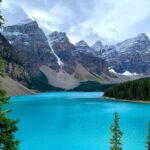
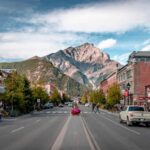
Banff has a way of sneaking up on you. One minute you’re in a mountain town, the next you’re scanning for wildlife with the Canadian Rockies all around. I love how the tour balances iconic viewpoints with real wildlife-packing strategy, not just a sightseeing drive.
Second, I like the guide-led storytelling, especially the way they connect what you’re seeing to Banff’s history and the local ecosystem. The main drawback to keep in mind is that wildlife sightings can’t be guaranteed, so if you’re the type who needs a certain animal on your trip, you’ll want to manage expectations.
In This Review
- Key things that make this tour worth your time
- Banff in four hours: wildlife odds and viewpoint hits
- Getting picked up in Canmore and Banff with lots of options
- Wildlife strategy: what you might see (and what you shouldn’t expect)
- Surprise Corner Viewpoint: quick stop, big payoff for photos
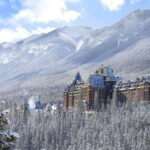
- Fairmont Banff Springs: a brief iconic moment
- Mount Norquay: the view gets higher, and the perspective changes
- Bow Falls: classic Banff energy, good for short-and-sweet photos
- Lake Minnewanka: where the water adds time for reflection and spotting
- The guide factor: how people like Phoebe and Austin shape the experience
- Price and value: why $69 can make sense
- What to bring: the small stuff that keeps your day pleasant
- Who should book this tour (and who might want a different plan)
- Should you book Explore Banff and Wildlife?
- FAQ
- How long is the Banff wildlife and viewpoints tour?
- How much does the tour cost?
- Is wildlife viewing guaranteed on this tour?
- What wildlife might I see?
- Are bear sightings likely in winter?
- What stops are included during the tour?
- What should I bring?
- Is the tour suitable for kids or wheelchair users?
Key things that make this tour worth your time
- Prime wildlife viewing stops designed to put you in the right places for elk, deer, and bighorn sheep
- Banff “hit list” scenery with time at Surprise Corner, Bow Falls, Mount Norquay, and Lake Minnewanka
- A guide who adjusts to conditions, aiming for the best chance at sightings (and better photos)
- National park entry fees included, so you’re not doing surprise add-ons at the last second
- Bring-your-own bottle water refills, handy when you’re out scanning for animals
Banff in four hours: wildlife odds and viewpoint hits
This is a 4-hour experience that’s built for people who want a Banff “greatest hits” day without turning it into an all-day logistics project. You’ll move between several standout stops in and around Banff, with enough time at each place to actually take photos and soak in the views.
The wildlife piece is the main reason I’d consider this tour. You’re not just driving past open spaces hoping for a miracle. The tour is designed around prime wildlife viewing areas, which matters because animals tend to show up where food, water, and cover line up.
Here’s the reality check: wildlife sightings are never a sure thing. The tour can’t promise what you’ll see, but it gives you guidance and positioning for the best odds. That’s usually the difference between a frustrating day and a fun one.
Other Banff wildlife & safari tours we've reviewed in Banff
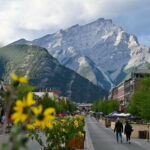
Getting picked up in Canmore and Banff with lots of options
One practical win: pickup and drop-off are set up across both Canmore and Banff. You’ll have multiple hotel-type meeting points to choose from, including places like the Moose Hotel & Suites and Canalta Lodge, plus Banff options like the Banff Train Station and Travel Alberta’s Canmore Visitor Information Centre.
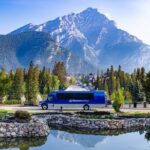
Plan to be ready about 5 minutes early, since the driver will come to the main entrance or lobby. Your vehicle is marked with an Explore Banff logo on the sides and rear, so it’s easier to spot than a generic shuttle.
If you’re traveling with a group split between Canmore and Banff hotels, this kind of pickup structure saves time. You’re not coordinating rides or trying to squeeze everyone into one car.
Wildlife strategy: what you might see (and what you shouldn’t expect)
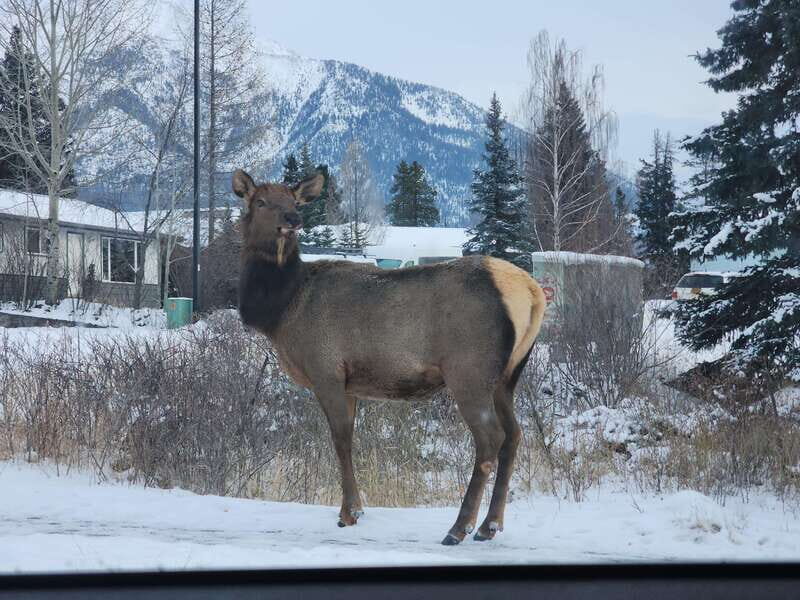
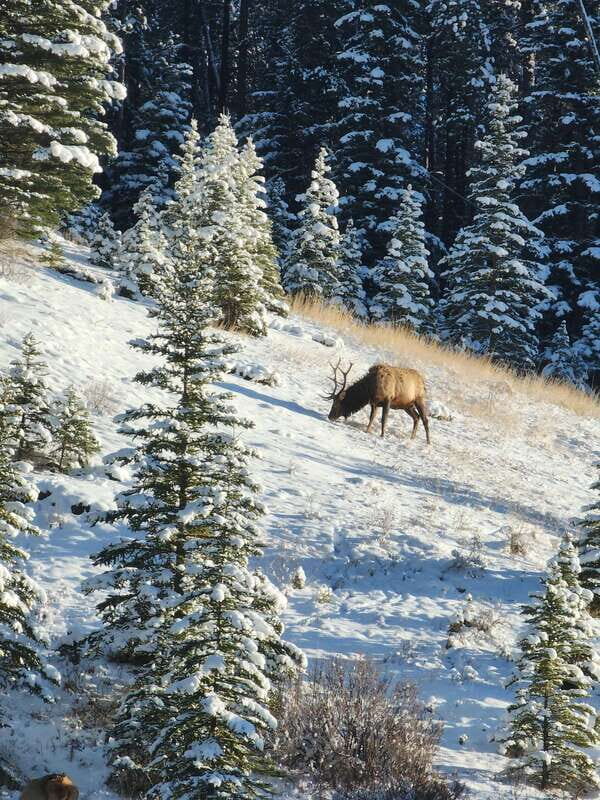
Wildlife spotting is part patience, part timing, part positioning. The tour’s aim is to take you to locations where animals are more likely to appear, especially for species such as elk, mule deer, and bighorn sheep.
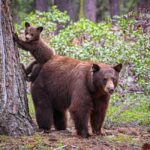
Depending on season and conditions, the chance list expands. You may see coyotes, and with luck the guide will look for animals like lynx, wolf, bear, or moose. You’ll also get the context for why those animals are where they are—food sources, movement corridors, and how animals use cover.
One seasonal note matters: bear sightings are highly unlikely between November and March. So if you’re visiting in mid-winter hoping for a bear encounter, you’re better off enjoying the scenery and other wildlife possibilities rather than counting on it.
If you bring binoculars, you’ll get more out of the scanning time. Even if you don’t get a close sighting, you’ll likely still spot movement from farther away and identify what you’re looking at.
Surprise Corner Viewpoint: quick stop, big payoff for photos
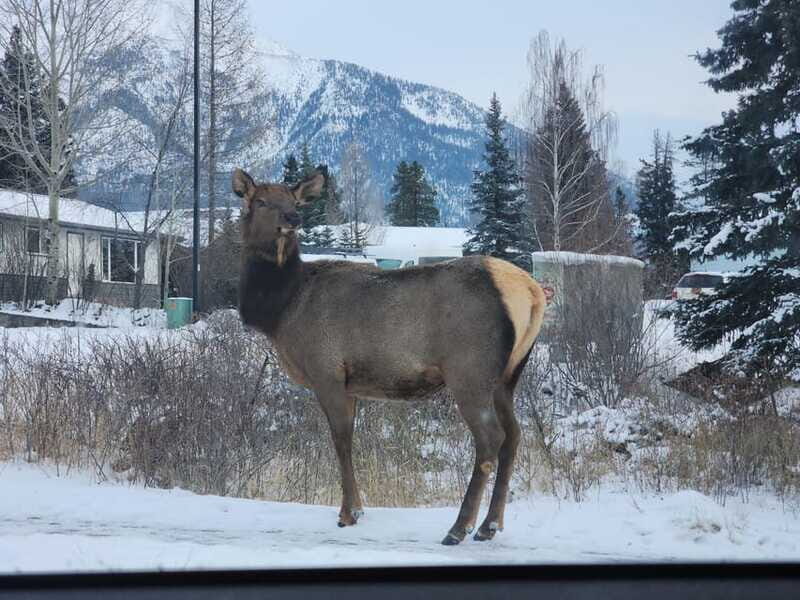
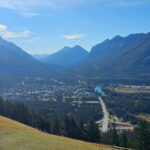
The tour starts with a stop at Surprise Corner Viewpoint. Even if it’s a short stretch, it’s the kind of viewpoint that helps you quickly understand why Banff is so photograph-famous.
What I like about a first-stop viewpoint like this: it gives you instant orientation. You’re not just driving around and hoping you’ll find the right angles later—you get a clean look early, so you can follow the scenery with more confidence for the rest of the tour.
If weather is clear, this is one of those places where the mountain framing does the work. If it’s cloudy or gusty, it’s still useful because it anchors your sense of direction and timing for the rest of the day.
Fairmont Banff Springs: a brief iconic moment
You’ll also pass by Fairmont Banff Springs. Based on the way this stop is scheduled, don’t treat it like a long museum-style visit. Instead, think of it as a quick, landmark photo and a chance to absorb the contrast: a big historic lodge sitting right in the middle of wild mountain country.
This matters because Banff isn’t only scenery. It’s also a place where tourism history and mountain life overlap. Seeing the hotel in the context of the surrounding peaks helps you understand how Banff became the destination it is today.
A few more Banff tours and experiences worth a look
Mount Norquay: the view gets higher, and the perspective changes
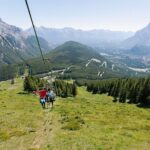
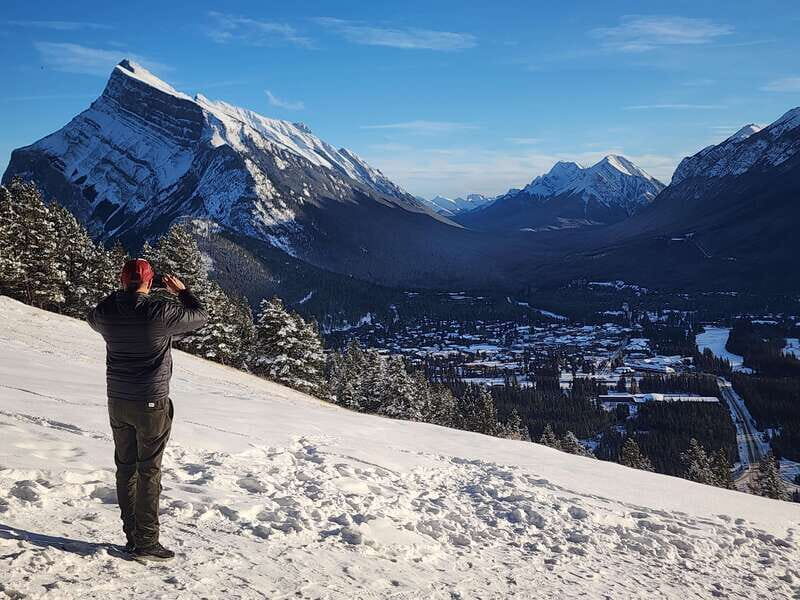
Next up is Mount Norquay, where you’ll have time to take in panoramas. This kind of stop is valuable because elevation changes what you can see and where you might spot wildlife movement below.
I like these higher-view stops because they turn the wildlife scanning from guesswork into a clearer search. Instead of looking at one patch of hillside, you can study how the valley spreads out, where forests break, and where animals might cross.
Practical tip: wear warm layers even if Banff feels mild when you step out. Higher viewpoints can bring wind, and it’s easier to enjoy the scenery when you aren’t fighting the cold.
Bow Falls: classic Banff energy, good for short-and-sweet photos
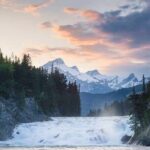
Bow Falls is one of those stops where you get an instant sense of Banff’s power and sound. You’ll spend time here for photos and a proper look, not just a quick glance from the roadside.
What this stop does well: it gives you a break from wildlife scanning. If animals are quiet in that stretch of time, you can still leave with great scenery and a memorable “this is Banff” moment.
If you’re sensitive to cold, this is also a good stop to check your gear—hat, gloves, and water—before you move on to the longer, open-view scanning moments.
Lake Minnewanka: where the water adds time for reflection and spotting
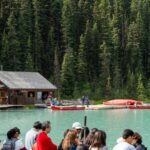
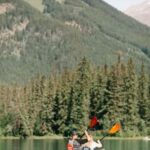
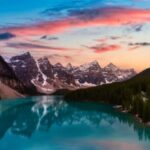
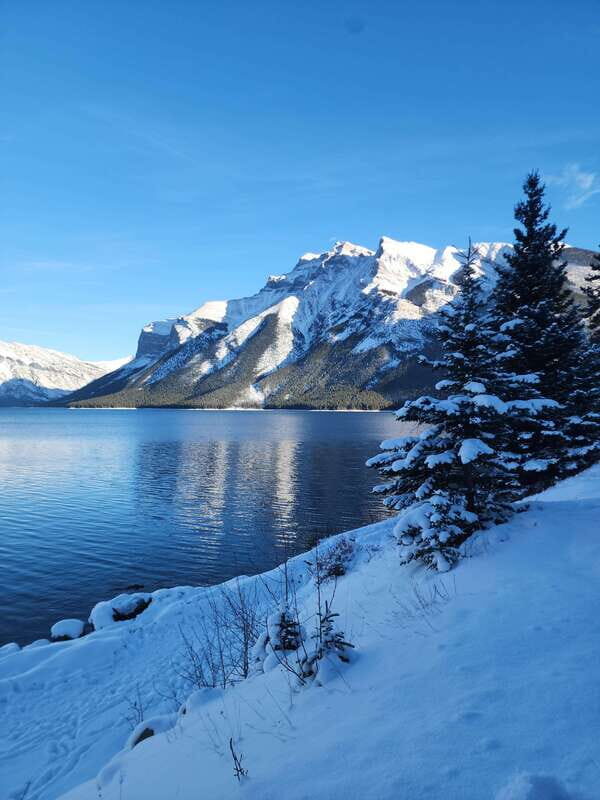
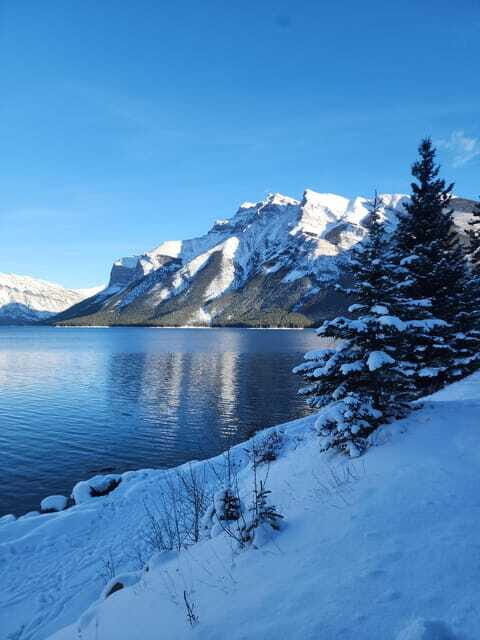
Finally, you’ll visit Lake Minnewanka, with time set aside to walk around at a comfortable pace and enjoy the shoreline views. Lakes are great wildlife “reading tools” because you can track movement along the water edge and see how light hits the landscape.
I like the way this stop rounds out the day. Earlier viewpoints help you frame the mountains; the falls show you the force of the area; and the lake brings it all together with calmer scenery that still feels dramatic.
Bring your camera and be ready for different lighting. Even in a short window, sunrise-to-afternoon or cloud cover shifts can change how the water looks and how your photos turn out.
The guide factor: how people like Phoebe and Austin shape the experience
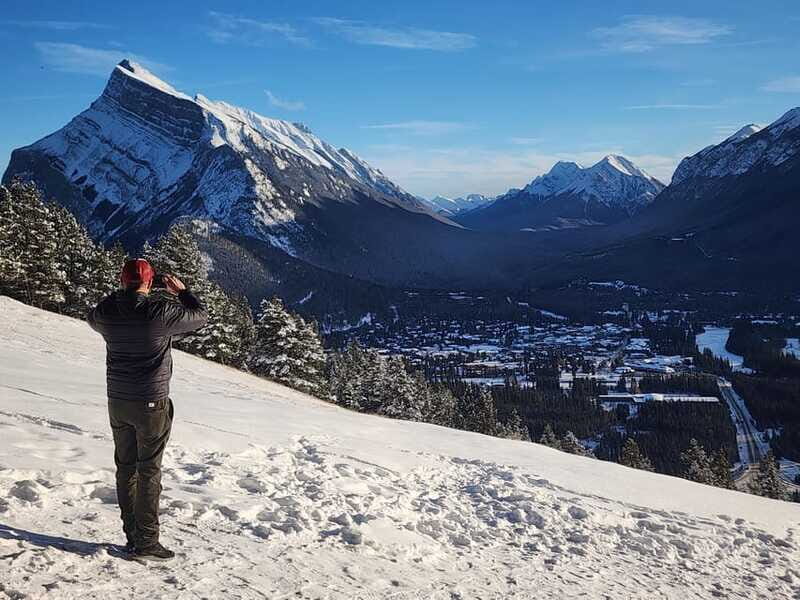
The tour is led by a live guide, and that matters a lot for wildlife days. A strong guide doesn’t just point out scenery. They help you read the environment—what to watch for, where animals might move next, and what you’re seeing in plain language.
In past experiences from groups who were led by guides like Phoebe and Austin, the common thread is a friendly, practical approach. They’re attentive to getting people great views and also flexible about where they spend time when conditions change.
You’ll also hear history and culture tied to what you’re seeing—how Banff became what it is today and why the area holds such an important place in mountain tourism. That’s a big difference from a pure bus tour where you might remember the photos but not the “why.”
Price and value: why $69 can make sense
At $69 per person for about 4 hours, the value depends on how you plan to travel. If you’re thinking you’ll need a rental car, plus park entry fees, plus your time spent plotting stops, this price can feel reasonable fast.
This tour includes:
- Expert guides
- Transportation
- National park entry fees
- Access to prime wildlife viewing areas
- Scenic stops at major Banff highlights
The tour also builds in flexibility. That matters because wildlife and weather don’t follow schedules. You’re paying for guide-led positioning, not only for a route.
What’s not included is snacks or meals, so I’d plan to bring something small if you tend to get hungry. And if you want binocular use, bring them if you have them—this helps you turn spotting time into real results.
What to bring: the small stuff that keeps your day pleasant
For this kind of outdoors-and-viewpoints tour, comfort beats fashion. Wear comfortable shoes because you’ll be moving and standing at viewpoints.
Bring warm clothing. Even in nicer seasons, mountain air can turn chilly quickly, especially at places like elevated lookouts. Also bring:
- Camera
- Water (the tour supports refills if you use a reusable bottle)
- Snacks if you want them during the trip
- Binoculars if you have them
If you forget a layer, you’ll still enjoy the tour, but you’ll enjoy it less. Wildlife spotting requires calm attention, and cold discomfort breaks your focus.
Who should book this tour (and who might want a different plan)
This tour is a solid pick for adults and older kids, since it’s not suitable for children under 6. It’s also not suitable for wheelchair users based on how the experience is set up.
It fits well if you:
- Want a guided plan with built-in Banff landmarks
- Care about wildlife, but you don’t need guaranteed sightings
- Prefer not to drive and park for every stop
It may feel less ideal if you’re traveling for a very specific wildlife goal and need a certainty. Since sightings can’t be promised, you’ll get the most out of this when you treat it like a chance to look, learn, and enjoy.
Should you book Explore Banff and Wildlife?
If your ideal day in Banff includes viewpoints plus wildlife chances with a guide handling the driving and logistics, I’d say yes—especially if you like learning what you’re seeing. The mix of scenic stops like Bow Falls and Lake Minnewanka, plus targeted wildlife viewing areas, is a strong use of a half-day.
If you’re the type who hates uncertainty, you might not love the wildlife component because sightings aren’t guaranteed. Still, even without perfect wildlife luck, the scenery and guided context can make the 4 hours feel full.
My practical advice: dress for cold, bring binoculars if you can, and go into the day ready to slow down and watch. That’s when this tour really pays off.
FAQ
How long is the Banff wildlife and viewpoints tour?
It runs for about 4 hours.
How much does the tour cost?
The price is listed as $69 per person.
Is wildlife viewing guaranteed on this tour?
No. Wildlife sightings are not guaranteed, though guides will take you to prime locations for the best chance to see animals.
What wildlife might I see?
The tour mentions chances to spot elk, deer, bighorn sheep, coyotes, and with luck animals such as lynx, wolf, bear, or moose.
Are bear sightings likely in winter?
Bear sightings are described as highly unlikely between November and March.
What stops are included during the tour?
You’ll visit stops such as Surprise Corner Viewpoint, Fairmont Banff Springs, Bow Falls, Mount Norquay, and Lake Minnewanka.
What should I bring?
Bring comfortable shoes, warm clothing, a camera, snacks (not included), water (the tour supports refills with a reusable bottle), and binoculars.
Is the tour suitable for kids or wheelchair users?
It’s not suitable for children under 6 and not suitable for wheelchair users.