REVIEW · BANFF
Canyoning half day – Heart Creek Canyon (beginner level)
Book on Viator →Operated by Bow Valley Canyon Tours · Bookable on Viator
You come for the canyon. You leave with real confidence on ropes. This beginner half-day in Heart Creek Canyon turns a short mountain trek into five controlled rappels, plus scrambling and slides in cold, clear water.
What I like most is how they build you up: a rappel and rope safety clinic before you start, and a set of shorter drops that helps your body catch up with your brain. The second big win is the gear setup: helmet, harness, wetsuit, and neoprene socks/booties are included, so you’re not hunting for canyoning equipment at the last minute. One thing to consider: you’ll hike long enough to get tired, and the shoes you wear hiking will end up fully wet in the canyon, so plan footwear accordingly.
In This Review
- Quick take: Heart Creek Canyon half day in plain terms
- Entering Heart Creek Canyon: what this half day really feels like
- Meeting Point and prep: wetsuits, gear, and the safety clinic start
- The Heart Creek Trail hike up: shoes and effort you should plan for
- Five rappels, slides, and scrambling: how the day builds skills
- Upper vs lower canyon water: wet weather makes it better, not worse
- Price and logistics: value, pickup limits, and what to bring
- Who should book this canyoning half day (and who should think twice)
- Should you book Heart Creek Canyon beginner canyoning?
- FAQ
- What level is Heart Creek Canyon for?
- How long is the tour and what time does it start?
- Do I need my own rappel gear?
- What shoes are allowed?
- Will my shoes get wet?
- Is pickup available from Banff and Canmore?
Quick take: Heart Creek Canyon half day in plain terms
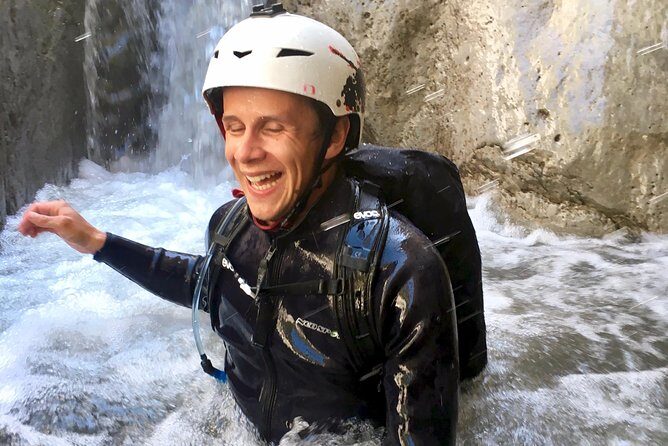
- Five rappels with coaching first, plus slides and scrambling mixed in
- Beginner-friendly ramp-up: easier upper canyon first, then the always-wet last section
- Full wet setup included: wetsuit, helmet, harness, and neoprene socks/booties
- A true half-day hike: about an hour up, with two short but steep bits at the end
- Last rappel is optional-ish: you can hike around instead of finishing the wet exit
Entering Heart Creek Canyon: what this half day really feels like
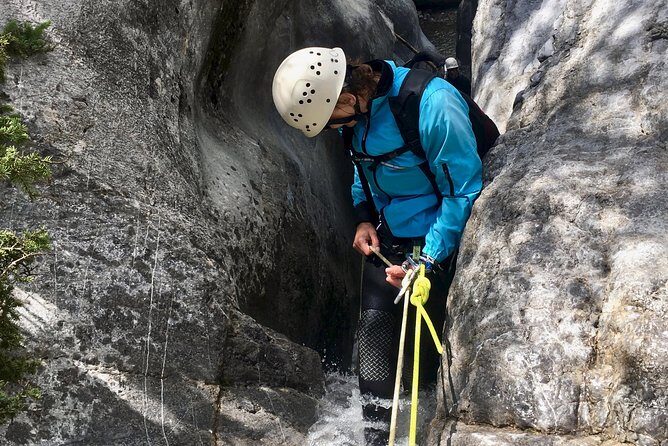
Heart Creek Canyon is the kind of activity that makes you pay attention. You’re not just watching a viewpoint or walking a trail and calling it adventure. You’re moving through a narrow canyon where the route keeps changing—steps become scrambles, scrambles become rappels, and rappels become slides. It’s physical in a way that still feels welcoming for a first timer.
This is sold as beginner level, and the structure matches that. You start with a rope safety briefing and a required mandatory clinic so everyone shares the same basics. Then you ease into it with the short rappels before the taller, more attention-grabbing drop (including the big moment people remember).
The vibe is also important. In past departures, different guides—like Brendan, Lawrence, Mark, Jitka, Pablo, Oliver, Zach, Kris, and Kanishk—have been praised for patient instruction and calm confidence. Translation for you: you’re usually not thrown into chaos. You’ll get steps repeated, feedback on body position, and support when you’re deciding whether to go for it or take the next breath.
Other canyoning adventures we've reviewed in Banff
Meeting Point and prep: wetsuits, gear, and the safety clinic start
You meet at the Heart Creek Trail parking area, about 17 km east of Canmore and roughly 41 km east of Banff, just off the highway. Parking is ample, including space for RVs and motorhomes, but in July and August pickup can be limited—more on that later.
Plan to arrive and get ready fast. They recommend having your bathing suit on before you show up. There are basic pit toilets at the trailhead, but there’s no real snack or coffee stop here—so come fed. You’ll “suit up” at the top (after the hike) right before you start the canyon part.
Once you’re suited, the guides lead the safety process. Expect a rappel and rope safety clinic before you do anything that commits you to ropes. You’ll be shown how the system works, how to move with harness and helmet, and how to handle the technique under stress. After that, you work through the rappels as the route demands.
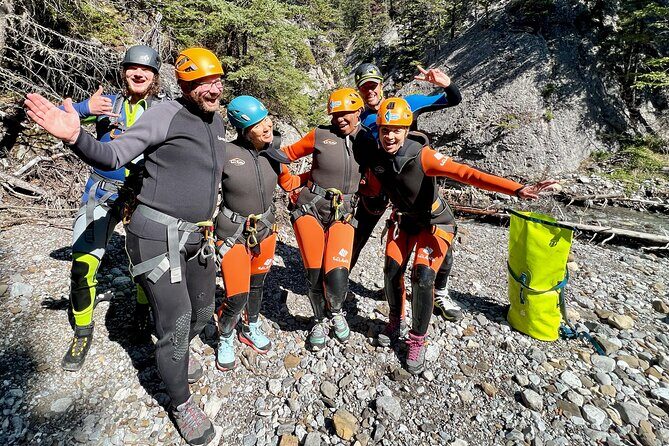
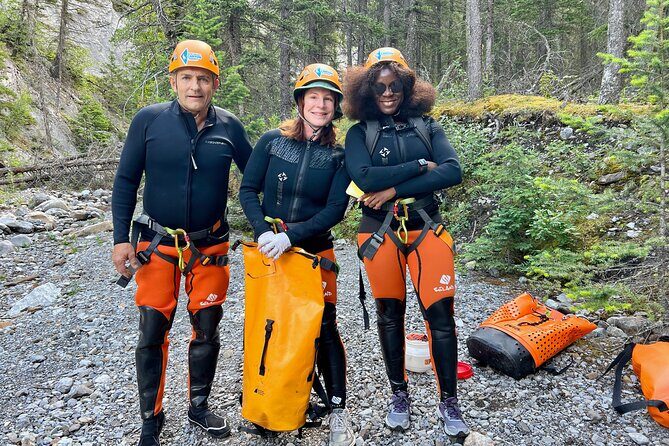
The equipment is included and purpose-built: helmet, harness, wetsuits, neoprene socks/booties, and dry bags to protect your clothes. That matters because canyoning isn’t just “water fun.” It’s water plus friction plus cold plus rope. The right gear makes it possible to focus on skills instead of problem-solving.
The Heart Creek Trail hike up: shoes and effort you should plan for
Even though this is a half day, you still earn it with a real hike. The climb to the top is about an hour (sometimes a bit longer with stops), and most of it is beginner and family friendly. The catch is that the route becomes steep near the end—two short sections that are steep enough that guides slow down and take their time.
This hike part is also where footwear gets serious. You need outdoor shoes with good tread, and light hiking shoes or trail running shoes work best. Tennis shoes, Crocs, water shoes, sandals, and urban footwear are not permitted due to safety concerns. Then comes the part people don’t always plan for: the shoes you hike in will go into the canyon and get wet.
So yes, you should bring a towel and plan to change after. If you can, bring a second pair of dry shoes (or sandals) you can leave in your vehicle. It’s the easiest comfort win of the day.
You also want to dress for rain and cold. They go rain or sunshine. The canyon isn’t prone to floods, and thick wetsuits keep you warm on cold wet days, but you still need a warm outer layer strategy for the time outside the water.
Five rappels, slides, and scrambling: how the day builds skills
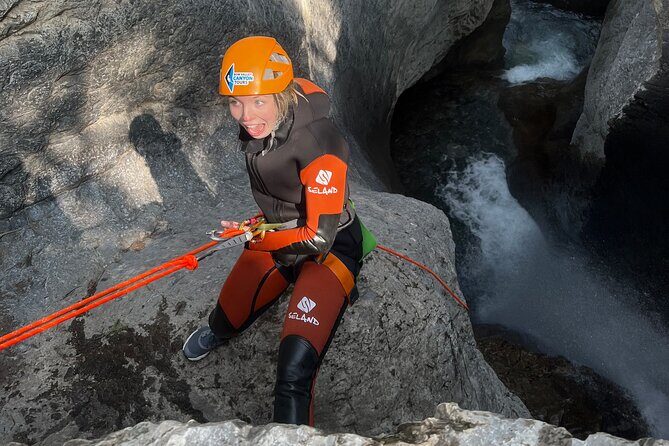
Here’s the rhythm of the canyon route. After meeting and hiking, you’ll head into the canyon and deal with a total of five rappels, plus some scrambling and hiking segments between them. There are also slides mixed in. It’s not one long descent where you only rappel and then you’re done. The route forces you to learn flow.
The upper canyon is the easier section. It can even be dry later in the summer, which means the first rappels may feel more like technique and less like ice-bath survival. This is exactly what you want at the start: a setting where you can get the movement patterns right without panicking about slippery conditions.
Then you reach the lower canyon, where the last rappel and slides are always wet. One key consideration: the last drop is not required as the only exit. You can hike around instead of finishing that wet exit if you’re not feeling it. That flexibility is huge for beginners who want the experience but still need an off-ramp.
You should also be ready for encouragement during the technique moments. In many experiences people mention fear of heights at first, then feeling confident once the guide explains the steps and keeps the pace comfortable. And if you’re worried about being graceful, don’t. Getting through a rappel is mostly about following cues and maintaining control, not looking cool.
A cool extra detail from real outings: the setting is wild enough that sometimes wildlife shows up. One past group reported seeing a black bear, and the guide had bear spray and handled it with calm instructions. You don’t plan for wildlife, but it’s another reason to take guide directions seriously.
Upper vs lower canyon water: wet weather makes it better, not worse
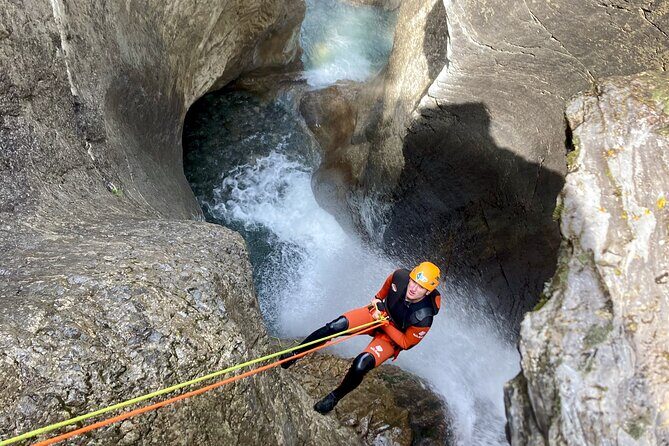
Heart Creek Canyon can run wet or partially dry, but the overall message is simple: assume you will get wet. Wetsuits keep you warm enough to keep moving, yet the water parts still feel cold because you’re moving through and over rock in moving water conditions.
If you book in summer later in the season, the upper canyon may be drier. That can make the early drops feel more manageable, and it also helps you focus on form. Later on, the route transitions to the lower section where the last rappel and slides are always wet. That’s the memorable part because it’s the most immersive—water, rock texture, timing, and technique all at once.
If it’s cloudy and drizzly, you might even find the canyon atmosphere turns extra dramatic and “moodier” with misty visuals. The important part is safety planning. They go in rain unless safety concerns force a change. The canyon isn’t flood-prone, and the gear handles the cold water reality.
One practical note: they don’t provide food or drink at the staging area. If your energy dips, it’s on you. A snack plan before you arrive can make a big difference, especially if you’re someone who gets hungry during hikes.





Price and logistics: value, pickup limits, and what to bring
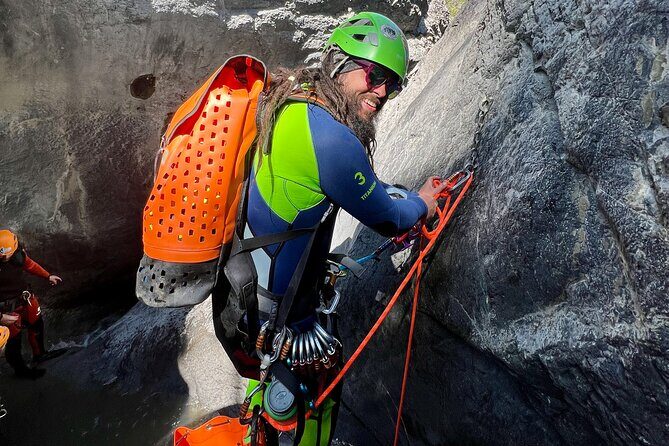
At $146.45 per person for about 4 to 5 hours, this price can feel fair once you account for what you’re actually buying: a guided technical experience, professional instruction, and full equipment (wetsuit, helmet, harness, neoprene socks/booties, plus dry bags). You’re not just renting gear. You’re paying for the safety coaching and for the route knowledge that keeps a beginner from spiraling.
Timing-wise, this is popular. It’s often booked about 40 days in advance on average, so you’ll have the smoothest planning if you pick a date early. Morning and midday start times are available (9:00 am, 10:30 am, 12:00 pm), and in July there’s also a 1:30 pm option. The exact start time depends on your booking slot.
Pickup: if you have a vehicle, you should plan to meet at Heart Creek directly, especially in July and August when pickup ability is limited. If you don’t have a car, pickup can be arranged from locations in Canmore, including Blondies Cafe, the Travel Alberta visitor info center, or the legacy Trail bus stop connected to the Banff/Canmore Roam transit line. You’ll also have a nearby public transport option, which helps if your schedule is tight.
Parking can require planning too. Alberta Parks in the Kananaskis area requires a day pass when parked or entering their parks, including Heart Creek trail parking. You buy a conservation pass for the vehicle online.
What to bring (based on what matters most for comfort):
- Bathing suit and towel
- Good tread outdoor shoes (and accept they’ll get wet)
- Optional: a rain layer or windbreaker, and extra warmth if it’s early or late season
- Extra dry shoes/sandals to change into after
- Your dry bag needs to stay dry too, so pack smart
Who should book this canyoning half day (and who should think twice)
This fits best if you’re:
- At least 12 years old and going with an adult (kids must be accompanied by an adult)
- Comfortable with heights but brand-new to ropes
- Physically ready for an about-one-hour hike with a couple steep moments
It’s also a solid choice if you want a structured introduction to technical outdoor travel. You’re learning rappel mechanics in a guided setting rather than guessing your way through gear.
Think twice if you:
- Hate the idea of getting your hiking shoes wet
- Have limited ability for steep hiking sections at the end of the trail
- Are looking for zero physical effort
Also, do not show up in the wrong shoes. The safety shoe rules are strict for a reason.
Should you book Heart Creek Canyon beginner canyoning?
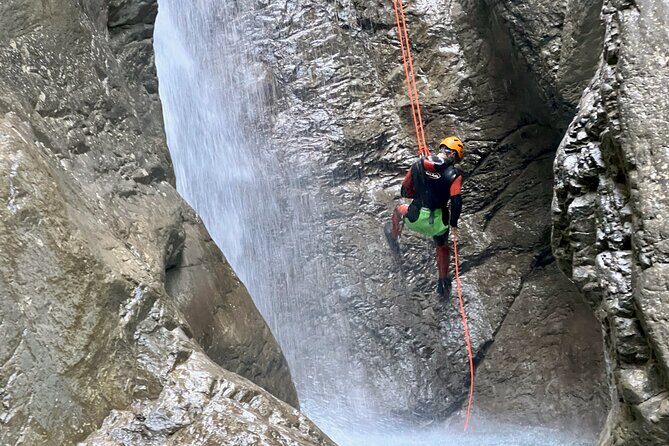
Yes, if you want real adventure without needing prior rope experience. The big selling point is how the day teaches you: safety clinic first, short practice rappels to build comfort, then progressively more serious moves. The always-wet final section gives you the full canyoning feeling, while the option to hike around the final exit helps keep it beginner-friendly.
Book it if you can handle a wet, cold-carrying day and you’re willing to hike uphill. Skip it if steep trail hiking or getting soaked is a hard no for you.
If you want to make the experience go smoothly, treat footwear like the main gear choice, arrive with your bathing suit ready, and plan a change of dry shoes. Do that, and this half day can feel like the kind of Banff-area experience you brag about for the right reasons: safe, coached, and genuinely fun.
FAQ
What level is Heart Creek Canyon for?
This is offered as a beginner level canyoning experience. You do not need previous rope or rappelling experience, but you should be relatively comfortable with heights and have moderate physical fitness.
How long is the tour and what time does it start?
The duration is about 4 to 5 hours. Start times include 9:00 am, 10:30 am, and 12:00 pm, with an additional 1:30 pm start in July (depending on booking).
Do I need my own rappel gear?
No. The tour provides technical equipment including a wetsuit, helmet, harness, and rappelling instruction/clinic, along with neoprene socks/booties and dry bags.
What shoes are allowed?
You must bring outdoor shoes with good tread. Trail running shoes or light hiking shoes work best. Tennis shoes, Crocs, water shoes, urban footwear, and sandals are not permitted.
Will my shoes get wet?
Yes. You hike to the top in your shoes, and the same shoes go into the canyon and will get wet. It’s a good idea to bring a second pair of dry shoes or sandals for after.
Is pickup available from Banff and Canmore?
Pickup can be limited in July and August. If you have a vehicle, meeting directly at Heart Creek is recommended. If you don’t, pickup can be arranged from locations in Canmore such as Blondies Cafe or the Travel Alberta visitor info center.