REVIEW · BANFF
Banff Canyoning – Ghost Canyon (Intermediate Level)
Book on Viator →Operated by Bow Valley Canyon Tours · Bookable on Viator
Ghost Canyon takes you from park roads to real canyon moves, and I love that the day pairs big outdoor fun with a hands-on safety clinic. The other thing I really like is the private small group feel, capped at 8. One drawback to consider: this isn’t a casual stroll. You’ll need comfort with heights and swimming, plus a decent fitness base for the hike and scrambling.
You start around 8:00 am, spend a lot of the day in and around the canyon (roughly 3 to 4 hours descending), and come back to the meeting point the same morning. With a rating of 4.9 and 97% recommending it, Bow Valley Canyon Tours clearly puts effort into instruction and pacing. In the best cases, guides like Zak, Mark, and Marc have been praised for making people feel safe while still letting the adventure stay fun.
In This Review
- Key things that make this tour worth your time
- Entering Ghost Canyon: what you’re really signing up for
- Getting there from Banff or Canmore without a headache
- The climb to the top: where the “prep day” really happens
- The rope safety clinic: why it matters more than the hype
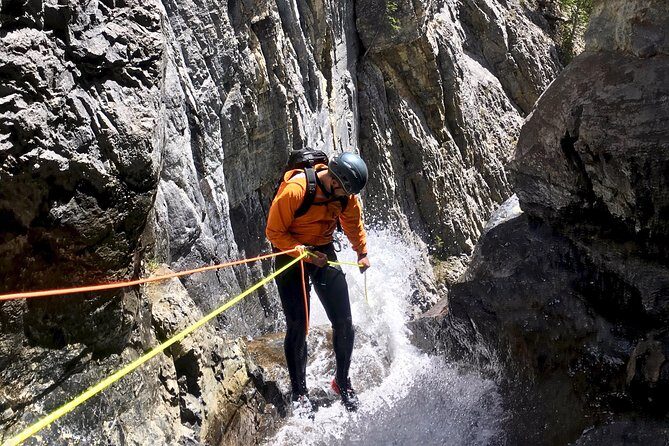
- Down in the canyon: four rappels, slides, and the fun parts
- Stop by stop: how the day’s locations shape the experience
- Fitness, comfort, and the “intermediate” reality
- Gear included: the wetsuit is only the start
- Private tour energy: why small groups feel better here
- Price and value: what $221.43 buys you in the real world
- Weather matters more than most people expect
- Should you book Banff Canyoning – Ghost Canyon?
- FAQ
- What is the duration of Banff Canyoning – Ghost Canyon?
- How many rappels are included in the Ghost Canyon route?
- Do I need previous rappelling experience?
- What is the minimum age for this activity?
- What activities are included besides rappelling?
- What gear is provided?
- Is pickup available if I stay in Canmore or don’t have a vehicle?
- How big is the group?
- What happens if weather is poor?
Key things that make this tour worth your time
- Rope and rappel instruction first: a mandatory clinic before you commit to the canyon moves
- 4 rappels plus slides and pool jumps: more variety than a single-rappel outing
- Small private group: maximum 8 people, not a huge crowd experience
- Wetsuits and full gear included: helmet, harness, rappelling equipment, neoprene socks/booties
- Guides who focus on confidence: stories highlight patient, safety-first instruction (with names like Zak, Mark, and Marc showing up in reviews)
Entering Ghost Canyon: what you’re really signing up for
Banff Canyoning – Ghost Canyon is built for people who want a proper canyon day, not just a scenic walk with a few photo stops. It’s labeled intermediate, but what matters most is not past rope experience. The tour states that you do not require previous rope or rappelling experience, as long as you can handle the basics of heights and being in the water.
That combination is a big deal for value. You’re paying for a full day of guided technical work—rappels, rope systems, and canyon route navigation—plus the gear and wetsuit to actually do it. This is the kind of outing where the instruction directly affects your comfort and your photos later. If you’re the type who likes learning by doing, you’ll probably click with the flow of the day.
And yes, the setting is classic eastern Rocky Mountains terrain: limestone, water, and big vertical features. You get the drive and hiking approach, then the canyon turns into a sequence of obstacles that keep changing. That variety is part of the appeal.
Other ghost, stargazing & night tours we've reviewed in Banff
Getting there from Banff or Canmore without a headache
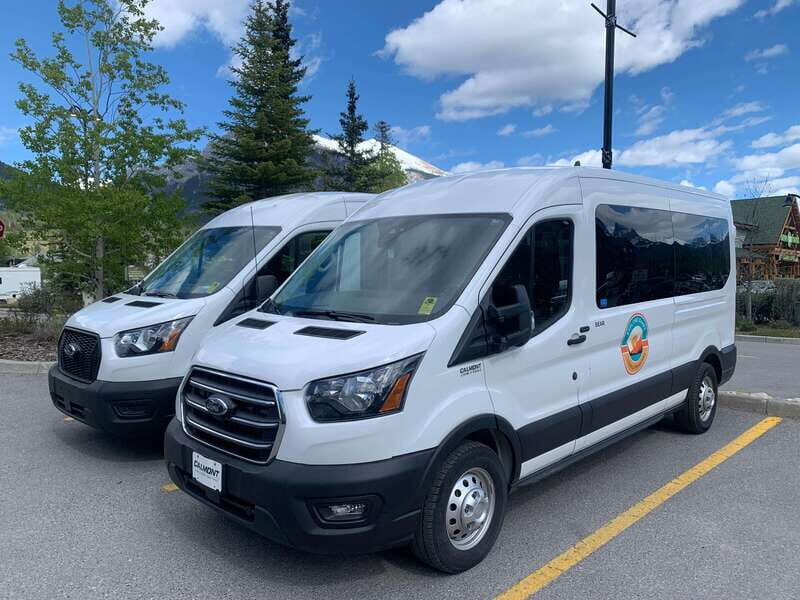
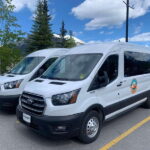
The tour is based in Banff, and the day usually starts at the meeting point on Range Rd 91A. From there, you’re looking at about 1.5 hours by van to the canyon area. After that, you hike roughly 30 to 45 minutes to reach the top.
If you’re staying in Banff without a vehicle, you’re not stuck. The tour notes that pickup can be arranged from Canmore, either at Blondies Cafe or at the Legacy Trail bus stop (near Roam transit line 3). The bus connection is frequent—about every 30 minutes from Banff town to Canmore’s first stop—and the operator typically comes to collect you about 20 minutes before the trip start time.
A practical tip: plan to be on time for that pickup window. The day’s schedule is built around travel plus the hike to the start of the canyon route. If you arrive late, you don’t just delay yourself—you affect the group’s safety timing for the clinic and the first rappel.
Also note the start time is 8:00 am. If you prefer a late start, this might feel early. But starting early also means you’re less likely to be dealing with afternoon weather swings.
The climb to the top: where the “prep day” really happens
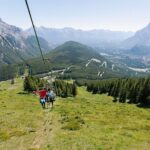
Before any rope work, you drive to the canyon area and then do a hike of 30 to 45 minutes to reach the top. This hike is part warm-up, part reality check. You’ll be moving with gear, in outdoor conditions, and it’s a good way to gauge whether scrambling and uneven footing will feel manageable for you.
I like this approach because it doesn’t drop you into the hardest part instantly. You get a transition period: van ride, then walking, then suiting up. By the time you’re at the top, you’re already in the right mindset—activated, not confused.
One more thing: the tour route design includes not just vertical drops. Your descent includes scrambling and hiking segments too, so think of it as a canyon route with technical highlights. The “total descent time” is about 3 to 4 hours, but the overall day is longer because of travel, fitting, instruction, and the walk in.
The rope safety clinic: why it matters more than the hype
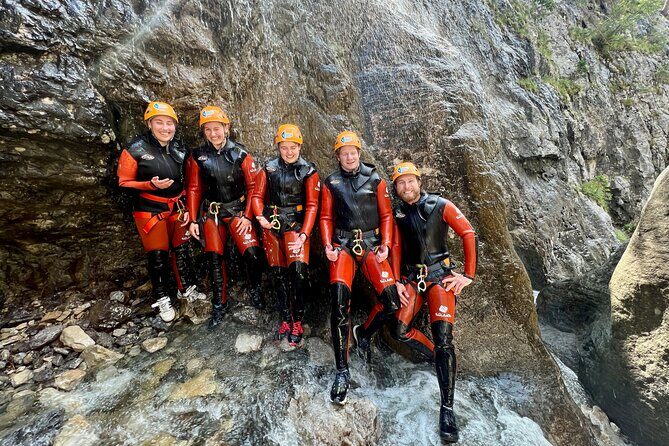
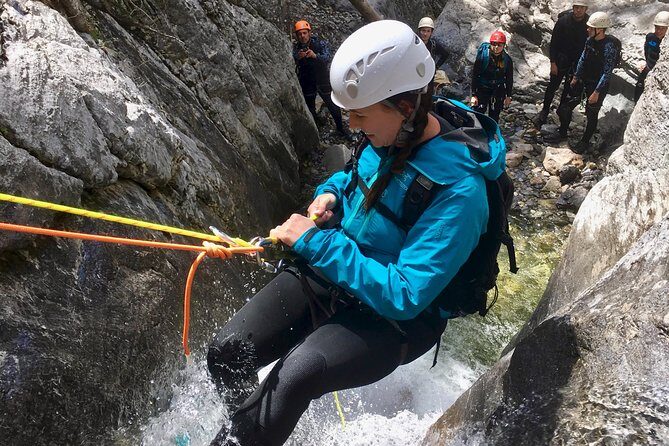
This is the part you’ll be glad is mandatory. Before the rappels begin, the guides run a rope and safety clinic, plus a rappel practice and safety briefing with all participants.
For an intermediate canyon like Ghost Canyon, this is the difference between feeling like an activity and feeling like a controlled system. The tour includes the equipment you need—helmet, harness, and all rappelling gear—so you’re not improvising in the dark. The clinic ties it together: how the ropes are handled, how you clip in, and how you move through the sequence safely.
From reviews, the human side comes through too. One past group highlighted Zak as their guide for the last solo waterfall rappel, calling him knowledgeable and patient. Another review praised Mark for always making people feel safe while still keeping the day exciting. Marc also received praise for energy and good humor, which matters because good instruction lands better when the guide keeps things calm and clear.
My takeaway: if you’re nervous about heights, this is where your confidence gets built. Even if you don’t have prior experience, the day’s structure gives you a chance to learn the mechanics before you’re committed to the bigger moves.
Down in the canyon: four rappels, slides, and the fun parts
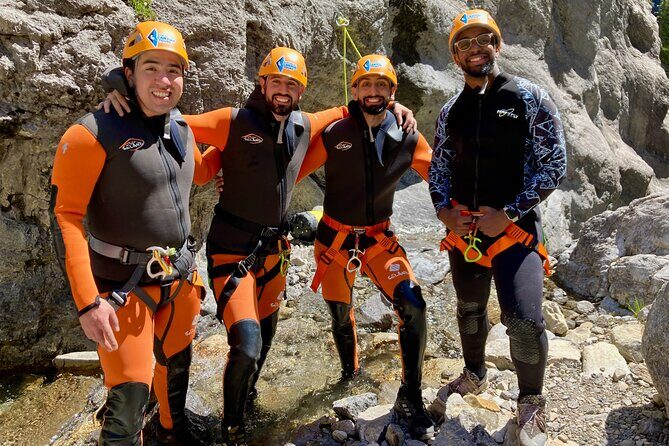
Ghost Canyon isn’t a one-move trick. The route features 4 rappels, with scrambling, hiking, and then fun water features mixed in between. You also get several slides and easy but fun pool jumps.
Here’s why that variety is worth your money. If you only rappel once or twice, you can end up feeling like the day was mostly waiting. Here, you keep getting new challenges—rope moments, then movement through the canyon, then a different kind of obstacle with slides or jumps. It keeps your attention and makes the day feel longer in a good way, because you’re always doing something.
What you can mentally prepare for:
- A sequence of vertical drops (the rappels)
- Short climbs or scrambles between features
- Water contact that’s more than a quick splash (wetsuits are included for a reason)
- Moments where you transition from moving on rock to moving through water features
The tour states the overall descent takes about 3 to 4 hours. That’s a sweet spot for a full canyon experience without turning into a multi-day commitment.
Also, this isn’t described as extreme backcountry. It’s technical, but it’s run with structure and a professional guide who manages safety and pacing. Think: controlled adventure.
Other canyoning adventures we've reviewed in Banff
Stop by stop: how the day’s locations shape the experience
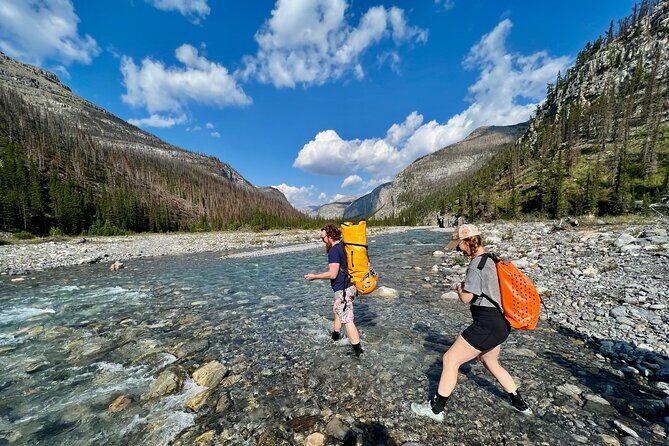
The itinerary lists stops that help you understand what kind of day this is, and what you’ll see along the way.
Banff National Park
You’ll spend time in the Banff National Park context as part of the day. This matters because it signals the terrain and rules-of-the-road environment—proper planning, protected landscapes, and a canyon experience inside a managed region. The upside is scenery and a sense of place. The practical downside is that you’re on a schedule and the drive/hike are part of the experience, not optional add-ons.
Canmore
Canmore shows up in the routing and in pickup details. If you’re staying in Canmore, it can be an easier day logistically. If you’re coming from Banff, Canmore is often where pickup coordination happens, especially if you use public transit (Roam line 3).
Ghost Reservoir Provincial Recreation Area
This is where the canyon setting is tied in. It’s the recreational area context that fits the day’s adventure style: outdoor activity with a defined meeting point and a guided route. You’ll likely appreciate the way the tour balances access (you’re not trail-hunting alone) with real terrain work (hike up, descend, repeat).
Back to Banff National Park area / return to meeting point
The tour ends back at the meeting point, and you’ll be back on the same side of the day. That’s one of the quieter advantages of choosing this over longer multi-day canyoneering trips. You get a full dose of adrenaline and skills in a single morning-to-afternoon chunk.
Fitness, comfort, and the “intermediate” reality
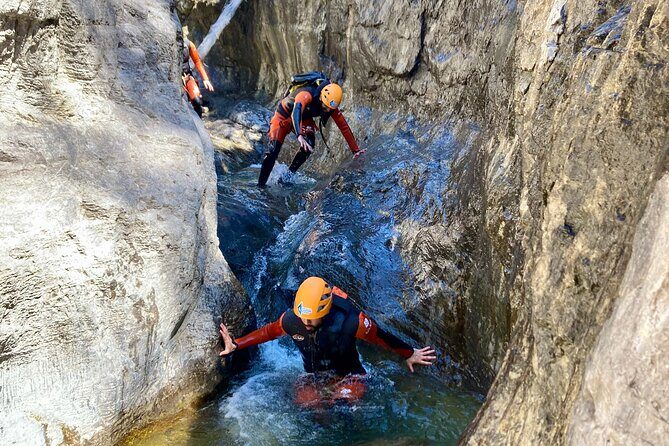
The trip calls for moderate physical fitness. That’s a good label because intermediate canyoning can be physically varied: walking in boots, short climbs, scrambling on uneven rock, and staying in control around water.
You don’t need previous rope or rappelling experience. But the minimum requirements state you must be comfortable with heights and swimming. That doesn’t mean you need to be an Olympian, but it does mean you should feel okay with water contact and being in a harness system while ropes guide your descent.
If you get motion sickness easily, you might want to think about the van ride and being in and out of water. The tour doesn’t mention that specifically, so I can’t promise how it will feel for every person. But practically, your body will be working and you’ll have sensory input from wind, water, and vertical movement.
My advice: if you’re on the fence, lean toward doing this only if you genuinely like outdoor movement. The tour is not about sitting out and watching. It’s participatory.
Gear included: the wetsuit is only the start
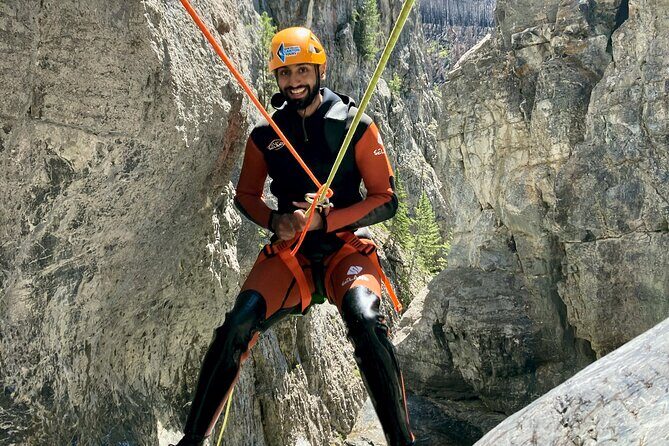
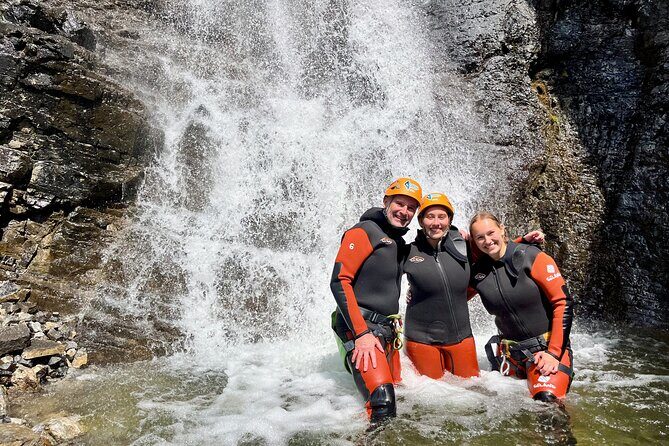
The tour includes the equipment that matters most: wetsuits (including top, bottom, and neoprene socks), a helmet, harness, and all necessary rappelling equipment. Neoprene socks/booties are also included.
This inclusion is where the cost value becomes clearer. Canyon environments demand insulation and protection from cold water and abrasion. Having the wetsuit and gear supplied means you’re not trying to rent or source the right thickness or fit on your own.
It also means you can focus on the part you’re paying for: learning and moving through the route. The guides handle equipment setup and the safety workflow; you’re not stuck figuring out how to clip in or adjust a harness.
Quick practical note: wear clothes that will play nicely under a wetsuit. The tour doesn’t spell out a dress code, so follow whatever the provider tells you at booking. But in general, you want something you can tolerate getting wet and something that doesn’t bunch uncomfortably inside gear.
Private tour energy: why small groups feel better here
This is described as a private tour/activity, and the group size is capped at 8. That’s big for canyoning because it affects instruction quality. In a small group, guides can watch individuals more closely during the clinic and during transitions between obstacles.
The day also includes personalized instruction on a private tour. That matters because canyoning is not just physical—it’s procedural. Where to clip, how to approach a rappel, how to manage the rhythm between scrambling and water features. When the guide can spend real time with you, you spend less time worrying and more time doing.
From the reviews you shared, you can see that this care comes through. Mark is praised for making people feel safe while keeping the experience fun. Zak is noted as patient during the last solo waterfall rappel. Marc is described as energetic and in good humor, and that’s not fluff. In a technical setting, a guide who keeps things light can reduce stress while staying serious about safety.
Price and value: what $221.43 buys you in the real world
At $221.43 per person for about 8 hours, Ghost Canyon sits in the midrange for guided adventure. But value here isn’t just the price tag—it’s what’s bundled.
You get:
- Pro guide(s) and professional rappel instruction/clinic
- Wetsuits and protective gear (helmet, harness, neoprene socks/booties)
- All necessary rappelling equipment
- Private transportation
- A full route experience that includes multiple rappels plus slides and pool jumps
If you tried to piece this together yourself—gear rental, transportation, trained guides, and structured safety instruction—the total would typically climb fast. The tour pricing makes sense when you think of it as a safety-led skills day in a real canyon.
One more value point: booking tends to happen fairly early, with an average booking window of 56 days. That’s a clue this isn’t a “wait and see” activity. If you have dates you care about, it’s smart to lock it in.
Weather matters more than most people expect
Canyoning depends on conditions. The tour notes it requires good weather, and if it’s canceled due to poor weather you’ll be offered a different date or a full refund. That means the experience is weather-sensitive, and the provider is planning around safe operating conditions.
For you as a planner, this translates into simple advice: build your Banff schedule with flexibility. If you’re doing other tight timed tours, leave a buffer day or at least avoid stacking too many outdoor activities back-to-back.
Also, remember you start early in the day. Morning conditions are often better, which is partly why the schedule begins at 8:00 am.
Should you book Banff Canyoning – Ghost Canyon?
Book it if you want a true intermediate canyoning day with professional safety instruction, multiple rappels, and water features that actually add variety. You’ll likely enjoy it most if you:
- feel comfortable with heights and being in water while wearing a wetsuit
- like guided challenge more than “gentle tourism”
- want a small-group experience where the guide can teach and check in
- are excited by learning rope skills in a structured way
Skip it (or at least think hard) if you don’t swim comfortably or you get very anxious about heights. Even with the clinic and support, the minimum requirements are clear. This is active, technical fun.
If you want an outdoor adventure in Banff that blends skills, gear, and a real canyon descent—Ghost Canyon is one of the most straightforward ways to get it done in a single day.
FAQ
What is the duration of Banff Canyoning – Ghost Canyon?
The tour lasts about 8 hours (approx.), including travel, the hike to the canyon top, instruction, and the canyon descent.
How many rappels are included in the Ghost Canyon route?
The tour includes a total of 4 rappels.
Do I need previous rappelling experience?
No. The trip notes that participants do not require any previous rope or rappelling experience. You do need to be comfortable with heights and swimming.
What is the minimum age for this activity?
Participants must be at least 15 years old.
What activities are included besides rappelling?
Besides rappels, the route includes scrambling, hiking, several slides, and easy but fun pool jumps.
What gear is provided?
You receive a wetsuit (including top, bottom, and neoprene socks), helmet, harness, neoprene socks/booties, and all necessary rappelling equipment. A professional guide and rappel instruction/clinic are also included.
Is pickup available if I stay in Canmore or don’t have a vehicle?
Pickup can be arranged from Canmore. You can meet at Blondies Cafe in Canmore or the Legacy Trail bus stop. If you’re using transit, Roam transit line 3 runs from Banff town centre to the Legacy Trail bus stop about every 30 minutes, and the operator typically arrives about 20 minutes before the trip start time.
How big is the group?
The group maximum is 8 people, and a minimum of 2 people is required for the activity to operate.
What happens if weather is poor?
The experience requires good weather. If it’s canceled due to poor weather, you’ll be offered a different date or a full refund.