REVIEW · BANFF
Banff: Guided Sunset and Stargazing Tour
Book on GetYourGuide →Operated by Banff & Canmore Tours · Bookable on GetYourGuide
Stars show up fast after dusk. This Banff tour takes you from the Cave and Basin area onto quiet trails at sunset, then turns the night sky into a guided show with constellations and a real shot at the Northern Lights.
I especially love how you’re not just staring up. Your guide talks through what you’re seeing, points out targets as darkness deepens, and helps you make sense of the sky you’d miss on your own.
One thing to plan around: stargazing depends on conditions. If you get heavy cloud cover (or a bright moon), the sky show can be less dramatic, and the walk may shift with the weather.
In This Review
- Quick takeaways
- Where the tour starts: Cave and Basin, not a random bus stop
- The 2-hour flow: sunset walk, then stars get the spotlight
- Step 1: Setting off from 309 Cave Ave
- Step 2: The view stops as darkness deepens
- Step 3: Staring time with headlamps and lantern light
- The star show: constellations, Milky Way chances, and Northern Lights opportunities
- What makes the guidance so useful
- The hike part: 5 km on mostly friendly terrain, with real winter prep when needed
- Ice cleats show up when conditions demand them
- Wildlife, safety, and the practical reality of being outside at night
- Who this tour fits best (and who should skip it)
- Price and value: $66 for a guided night-sky experience
- What to bring so the night goes smoothly
- Should you book the Banff Guided Sunset and Stargazing Tour?
- FAQ
- Where is the meeting point?
- How long is the tour, and how far do you walk?
- What should I bring?
- Is the tour wheelchair accessible?
- Do you provide headlamps or traction help?
- Will the Northern Lights definitely happen?
- What kind of weather will cancel or change the tour?
- Are pets or alcohol allowed?
Quick takeaways
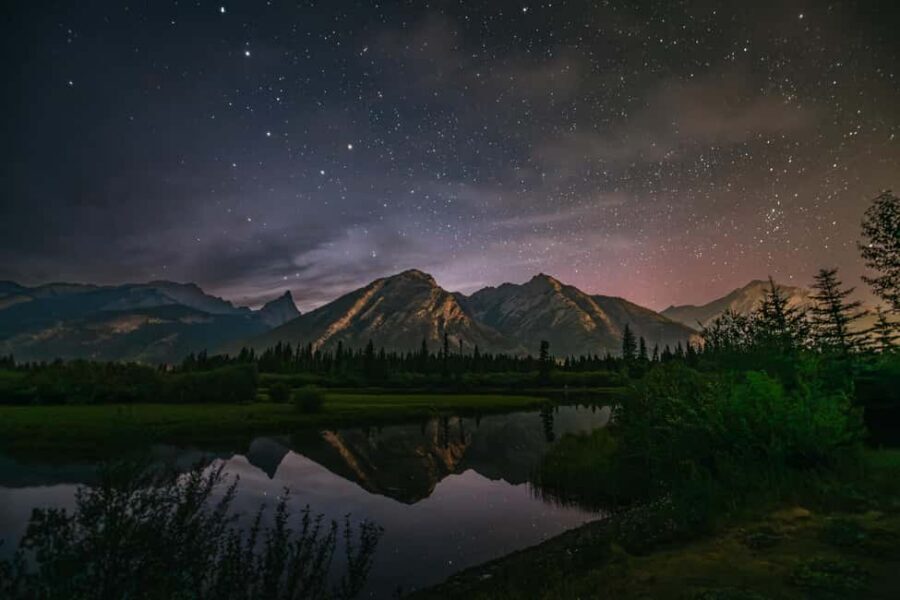
- Cave and Basin start point: Easy meetup at the Welcome Building parking lot near Cave and Basin.
- Real night-safety setup: Headlamps, and guides carry bear spray and safety equipment.
- Short but meaningful hike: About 5 km / 3.5 miles on mostly manageable paths.
- Guided astronomy, not guesswork: Constellations, stories, and aiming tips as stars appear.
- Small-group feel: Many evenings run with a smaller crowd, which keeps the attention personal.
- Weather can change everything: Heavy cloud cover can cancel, and moonlight affects visibility.
Where the tour starts: Cave and Basin, not a random bus stop
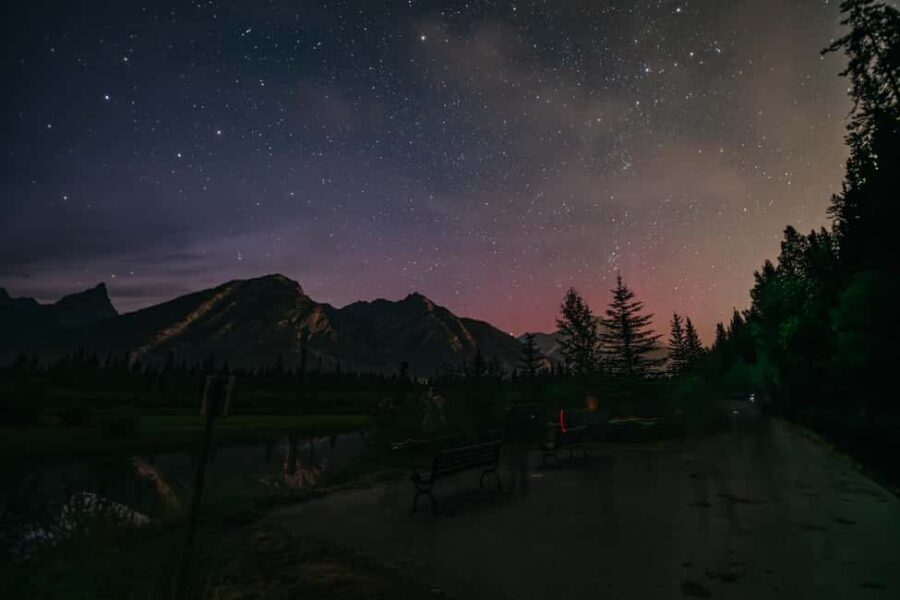
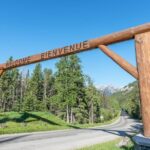
This tour meets at the Welcome Building outside the Cave and Basin National Historic Site Parking Lot. It’s a big parking lot with free parking, which matters because there’s no hotel pickup/drop-off included. If you’re staying in central Banff, this is usually the easiest way to keep the evening from turning into a logistics puzzle.
When you arrive, you’ll show your voucher to the guide, who’s holding a clipboard. It’s a simple setup, but it also means you need to be on time—because once sunset hits, the whole rhythm is built around getting you into position before the stars fully show.
Other ghost, stargazing & night tours we've reviewed in Banff
The 2-hour flow: sunset walk, then stars get the spotlight
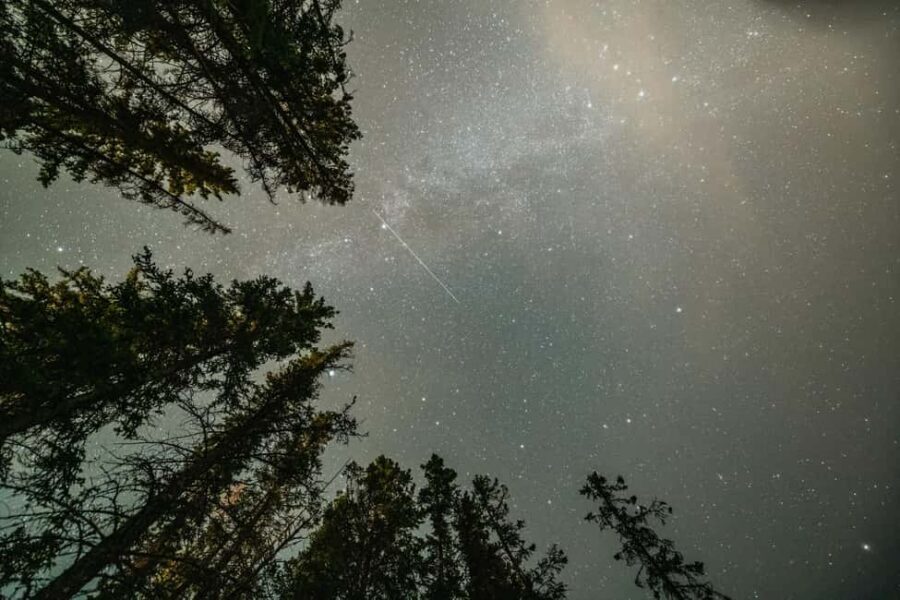
The whole experience runs for about 2 hours. You’ll begin just after sunset seasonally, and the departure time is updated ahead of time to match the changing sunset. That timing is key. Stargazing works best when you’re walking from dusk into deeper darkness, not trying to “arrive and hope.”
Step 1: Setting off from 309 Cave Ave
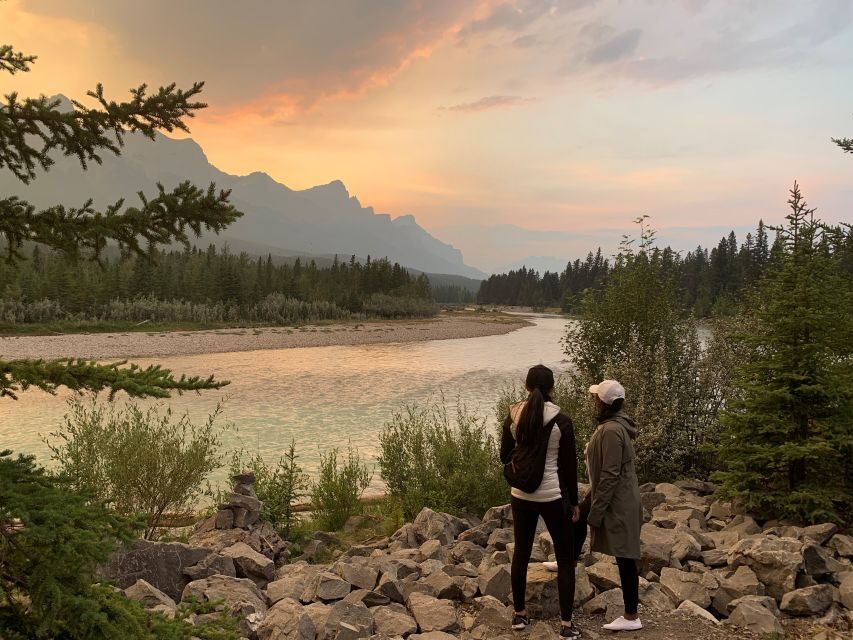
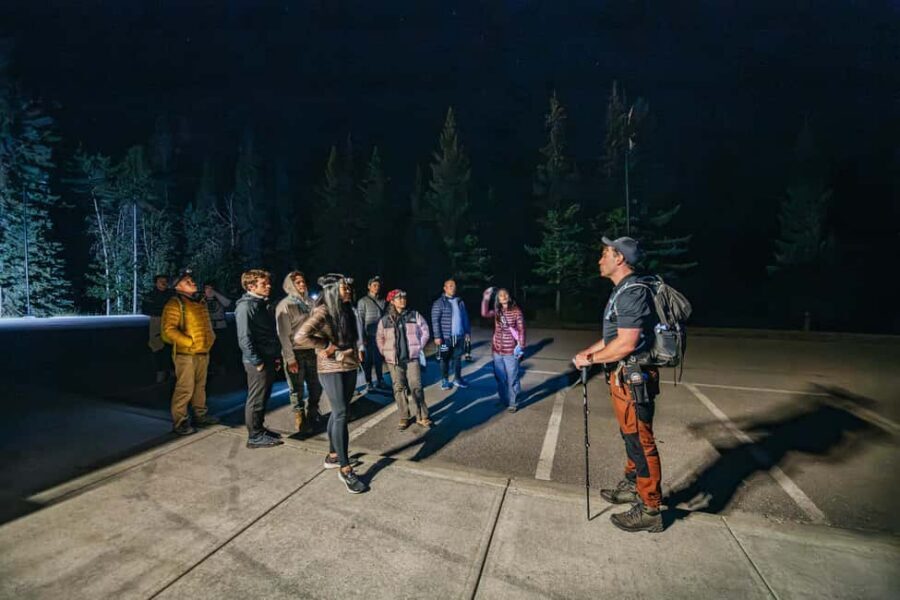
You start from the Cave and Basin area and gradually move onto local trails. This first part is about getting your bearings with the sky still partially lit. It’s also when you’ll hear the guide’s safety and pacing talk, plus the plan for how you’ll manage the walk in the dark.
A lot of evenings follow a route that feels easier than you might expect: mostly paved and flat, with occasional boardwalks and dirt segments. On some nights, there are benches at longer stops, so you can pause without feeling like you’re stuck standing the entire time.
Step 2: The view stops as darkness deepens
As the evening cools and the sky darkens, your guide calls out what’s happening overhead. This is where the tour becomes more than exercise. The guide points out constellations and explains what you’re seeing in a way that doesn’t require you to know astronomy terms in advance.
Different guides have different styles, but the common thread is active teaching. Names you might run into include Kale/Kael, Jacob, Ben, Euan/Ewan, Isla, Yuin, and Yuin—and a recurring theme is that they slow down for the group and keep things fun, not robotic.
Step 3: Staring time with headlamps and lantern light
You’re not out in total darkness. You’ll have headlamps (included) to keep footing safe on the return and on the walk back. Some guides also use lantern-style lighting during stops so you can gather, listen, and take photos without everyone bumping into each other like animated fireflies.
You may also have a chance to capture the night with your phone. Several evenings include helpful tips such as using night modes or adjusting settings for longer exposure looks—handy if you want more than a blurry “I pointed my camera at the stars” souvenir.
Other guided tours in Banff
The star show: constellations, Milky Way chances, and Northern Lights opportunities
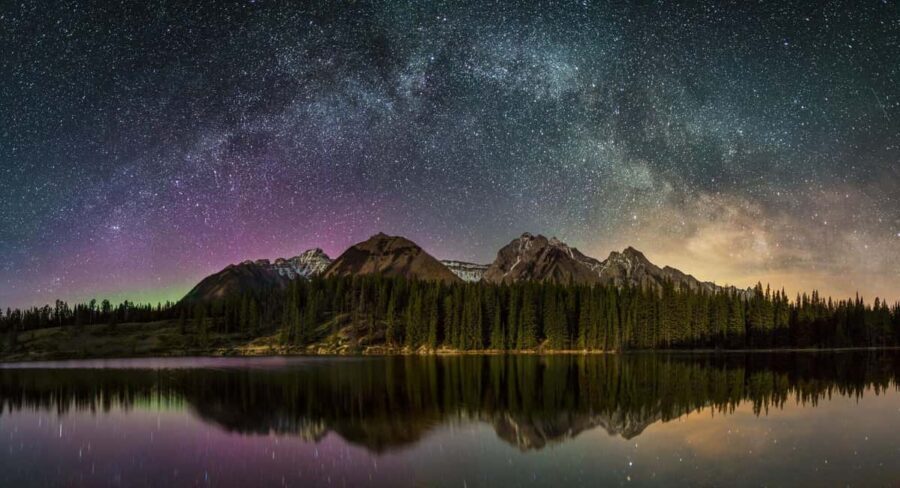
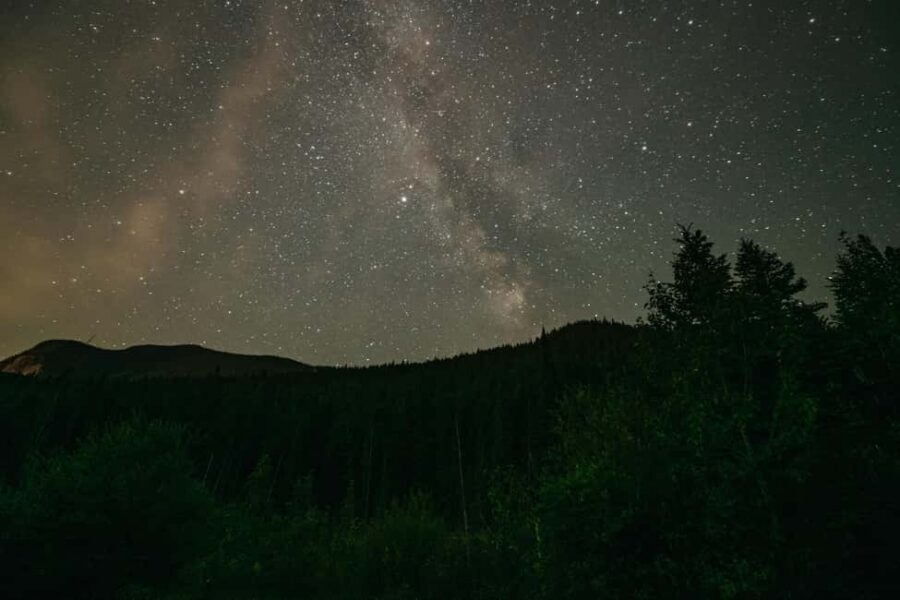
This tour is built around the moment the sky flips from “pretty evening” to “oh wow, there are layers.” Even when you don’t get the full Northern Lights drama, you can still expect:
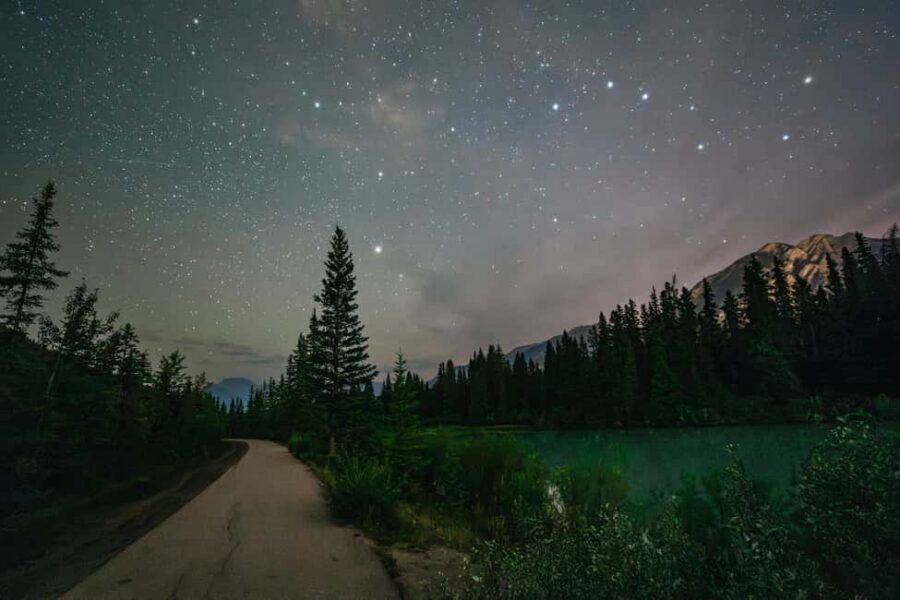
- Stars increasing rapidly as the sky gets darker
- Shooting stars and satellites on clear enough nights
- A guided hunt for constellations so you’re not just guessing
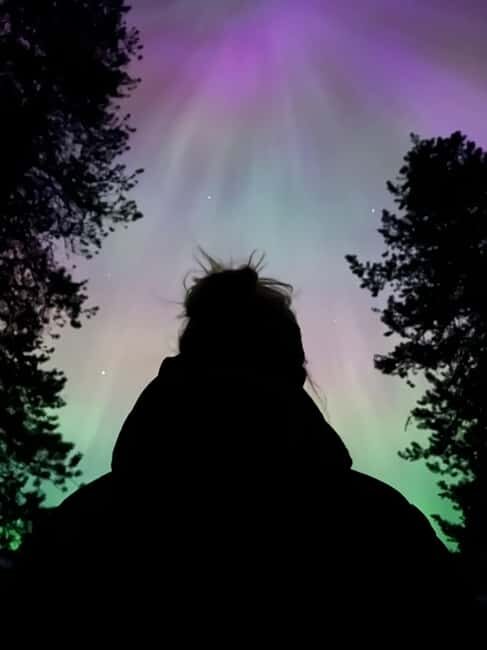
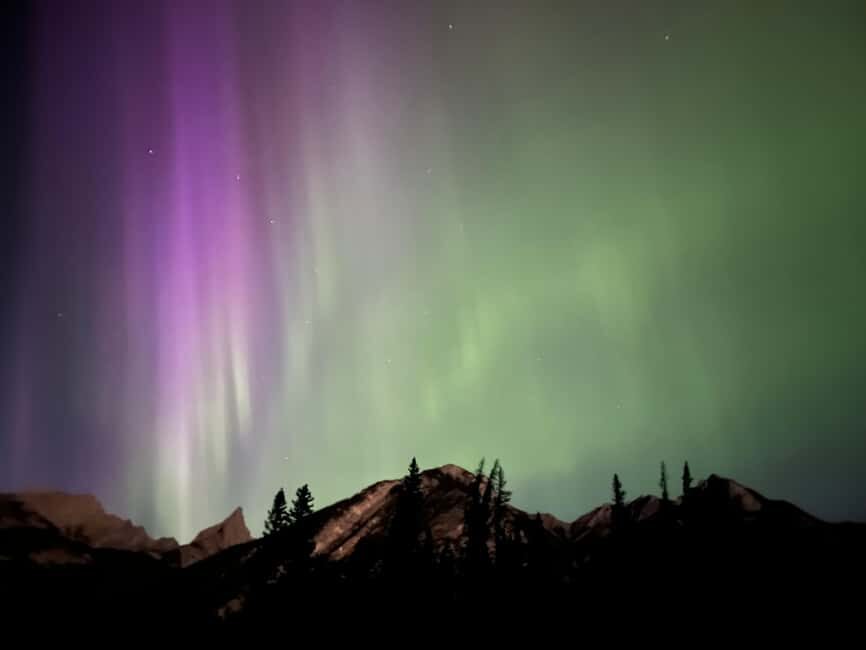
On some dates, the tour can even include Northern Lights sightings. The practical reality: you can’t force aurora, and moonlight affects how much you can see. One reason the guide helps so much is that they’ll steer your attention toward what’s actually visible that night—constellations first, then anything extra if the sky cooperates.
What makes the guidance so useful
If you’ve ever tried to find a single star pattern on your own, you know how fast it turns into frustration. The guided format solves that. Your guide typically:
- points out constellations in real time as they appear
- explains what you’re looking at and why it matters
- keeps the group engaged so you stay outside long enough for the best darkness
And if you get cloudy at the start, you’re not automatically done. One recurring theme is patience—guides and groups often wait it out when conditions allow, because the sky can clear later even when it starts out gray.
The hike part: 5 km on mostly friendly terrain, with real winter prep when needed
The trail distance is 5 km / 3.5 miles. That’s long enough to feel like you did something, but short enough that most people can manage it in two hours, especially with the regular stops for viewing.
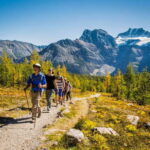
What I like for planning: the walk is often described as easy-on-the-legs—mostly paved and flat with a mix of boardwalk and dirt. Still, this is a night hike. The “easy” version during daytime can feel different under a headlamp, so you’ll want proper footwear and steady shoes.
Ice cleats show up when conditions demand them
You’ll have ice cleats included when required. That’s exactly the right approach. In Banff, conditions can swing fast, and it’s better to handle traction needs on the spot than guess ahead of time.
Wildlife, safety, and the practical reality of being outside at night
This tour happens in the woods, at night, near wildlife territory. The guide carries bear spray and safety equipment, and they’re actively aware of what’s around. That reduces anxiety, especially if you’re the type who worries about being in the forest after dark.
You might see animals (or at least the evidence they’re around). Some nights have included sightings such as coyotes or birds like golden eagles, and there’s always the chance of interesting movement in the dark that makes you look twice. I wouldn’t count on a specific animal, but I would count on a guide who keeps the group safe and the pacing controlled.
Also, remember the small-but-real issue: insects. In warmer months, mosquitoes can be vicious at the start. Bring bug deterrent—your future self will thank you.
Who this tour fits best (and who should skip it)
This is best for people who want an outdoors evening without a hardcore climb. You’ll get both the sunset scenery and the night-sky focus, and you don’t need astronomy knowledge to enjoy it.
It’s not suitable for:
- children under 8
- pregnant women
- people with mobility impairments
- people with pre-existing medical conditions
- people with recent surgeries
There’s also a point to interpret carefully: the tour is listed as wheelchair accessible, but it’s also marked not suitable for people with mobility impairments. If you’re in a situation where you rely on mobility aids, I’d treat that as a signal to contact the operator first and ask what the path looks like for your specific needs.
Price and value: $66 for a guided night-sky experience
At $66 per person for about 2 hours, this isn’t the cheapest thing on your Banff list—but it also isn’t built around sitting. You’re paying for:
- a professional guide doing real-time astronomy pointing
- headlamps (included) for safety and timing
- ice cleats when required
- a structured experience that moves you from sunset into star visibility
Value is strongest if you care about learning the sky and want a guided path into the dark. If your goal is purely to walk somewhere and look up without guidance, you could do something similar on your own. But if you want the “I never would’ve found those constellations” feeling, the guide time is the point—and that’s where the money goes.
Two small budget notes:
- Food and drink aren’t included, so plan a snack or dinner before you start.
- There’s no hotel pickup, so factor in getting to the Cave and Basin parking lot yourself.
What to bring so the night goes smoothly
The essentials are simple:
- Hiking shoes (required)
If you’re going in mosquito season, bring bug spray. If you’re going during colder months, dress for winter conditions—this is Banff at night, and the sky doesn’t care if you’re comfortable.
If you want photos:
- Use your phone/camera settings your guide can help with (night mode and longer exposure tips come up on the tour).
Should you book the Banff Guided Sunset and Stargazing Tour?
I’d book it if you want a balanced Banff evening: a short, scenic walk at dusk plus guided stargazing that helps you actually recognize what you’re seeing. This is also a great choice if you’re traveling solo and want structure, because the guides tend to keep the experience personal and safe, with active pacing and attention to the group.
Skip it if weather blindness is your worst enemy. Cloud cover can limit what you see, and moonlight can wash out the faintest stars. Also skip if you fall into the tour’s non-suitable categories listed (young kids, pregnancy, medical limitations, recent surgery, mobility impairments).
If you’re the “just tell me where to look” type, this is an easy yes. The night sky is doing the hard work—your guide just helps you catch it at the best moment.
FAQ
Where is the meeting point?
Meet outside the Welcome Building at the Cave and Basin National Historic Site Parking Lot. Bring your voucher and show it to the guide, who will be holding a clipboard. Parking is free.
How long is the tour, and how far do you walk?
The tour lasts about 2 hours and the trail distance is 5 km / 3.5 miles.
What should I bring?
Wear hiking shoes. Since it’s a night walk, dress for evening conditions. If you’re visiting in mosquito season, bringing mosquito deterrent can help.
Is the tour wheelchair accessible?
It’s listed as wheelchair accessible, but it’s also marked as not suitable for people with mobility impairments. If you’re unsure, check with the operator before booking.
Do you provide headlamps or traction help?
Yes. Headlamps are included, and ice cleats are provided when required.
Will the Northern Lights definitely happen?
No. The tour is designed to help you spot aurora and stars, but sightings depend on conditions. If heavy cloud cover prevents good viewing, the tour won’t operate.
What kind of weather will cancel or change the tour?
The tour will not operate in heavy cloud cover. If that’s the case, the guide contacts guests 12–24 hours before departure and issues refunds.
Are pets or alcohol allowed?
No. Pets are not allowed, and alcohol and drugs are not allowed.