REVIEW · BANFF
Banff: Winter Wilderness Walk with Wildlife Tracking – 2hrs
Book on GetYourGuide →Operated by Banff & Canmore Tours · Bookable on GetYourGuide
Snow turns tracks into a storybook. This Banff winter walk is interesting because you learn how to read what animals leave behind, then pair it with big Rocky Mountain views and photo tips. You start at Cave and Basin and spend two hours in the snow with a guide who knows where to look.
I especially like the wildlife tracking education—it turns you from a casual hiker into someone who can spot deer and coyote signs and even talk about snowshoe hare survival. I also like that the tour is built for cameras, with your guide pointing out what makes winter scenery photograph well.
One thing to consider: this is a real winter outdoor walk, and it is not suitable for everyone, including people with mobility limits, wheelchair users, certain medical situations, and kids under 9. If you hate cold or you’re not comfortable walking on snow, you may want a different winter activity.
In This Review
- Key highlights worth your attention
- Starting at Cave and Basin: easy meetup, big winter payoff
- Winter tracking 101: reading signs like a local
- What wildlife you can realistically look for (and why it still feels exciting)
- Scenic stops that make your camera work in cold weather
- Local stories and folklore: the human side of wildlife tracking
- Gear and comfort: ice cleats, poles, and what to wear
- How long is the walk, and who this fits best
- Price and value: is $65 worth it for a 2-hour winter guide?
- Should you book this Banff winter wilderness walk?
- FAQ
- Where does the tour start?
- Is there free parking at the meeting point?
- How long is the winter wilderness walk?
- How much does it cost?
- Is transportation included?
- What language is the tour guide?
- Are ice cleats provided?
- What should I bring for the tour?
- Is the tour suitable for children under 9?
- What is the cancellation policy?
Key highlights worth your attention
- Animal tracks, not just animals: Learn to identify signs like deer and coyotes on snow
- Snowy photo help: Your guide gives practical camera tips for crisp winter shots
- Local stories and folklore: Past and present connect through how people read and used the land
- Rocky Mountain winter adaptations: You’ll learn how wildlife survives harsh conditions
- Extra traction when needed: Ice cleats come in when conditions call for them
- Jacob-style local energy: One guide experience stood out for being friendly and full of local nuggets
Starting at Cave and Basin: easy meetup, big winter payoff
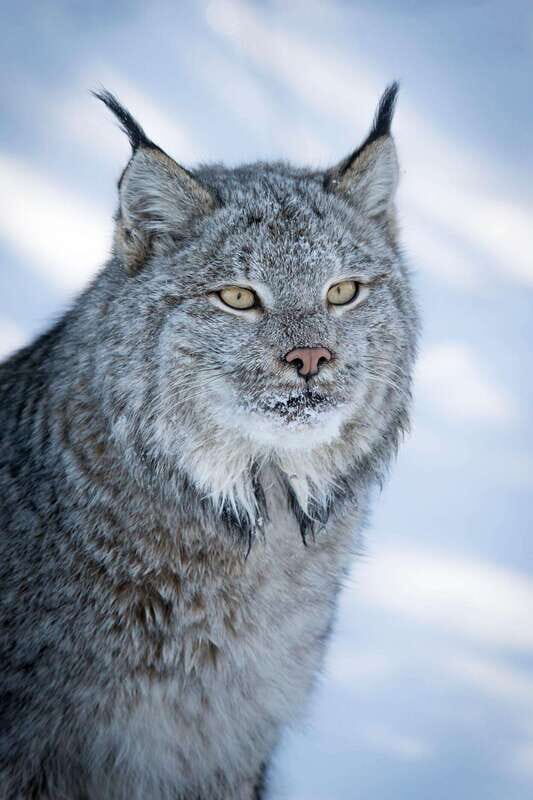
Meet your guide outside the Gift Shop in the parking lot at Cave and Basin National Historic Site. The start is easy to reach, with free parking on site and public transit access. If you’re staying downtown, expect a short taxi ride of about 5 to 7 minutes, which keeps morning logistics simple.
Plan to arrive at least ten minutes early. In winter, that buffer matters because cold air makes everyone move slower, and you want time to get layers sorted before you step into the snow. Your guide will have a clipboard, so it’s straightforward to confirm you’re in the right place.
This is a smart base for a wildlife walk. Cave and Basin sits right at the edge of the wider Banff area, so you get that classic mountain-vs-snow feeling without starting your day with a long commute.
Other Banff wildlife & safari tours we've reviewed in Banff
Winter tracking 101: reading signs like a local
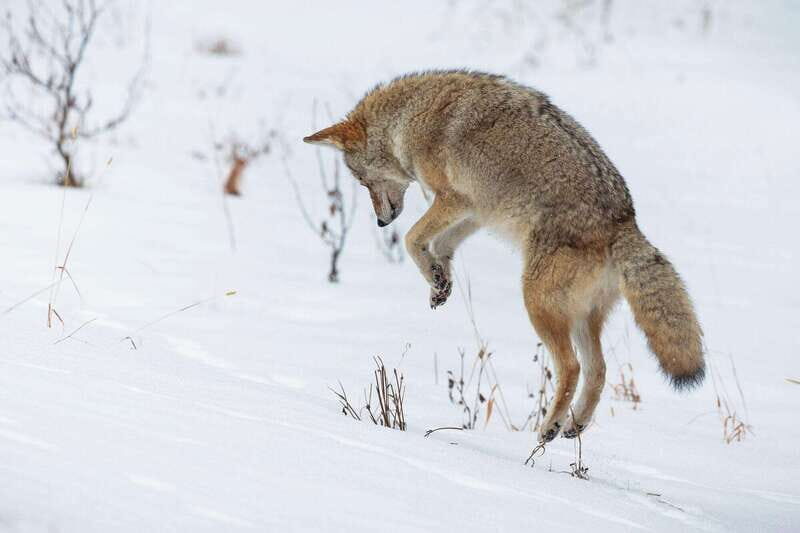
The main event is learning winter wildlife tracking. In deep snow, tracks and other signs become the animal’s handwriting. Your guide treats the trail like a field classroom: you’ll stop, look closely, and learn how to identify what you’re seeing.
You’ll practice spotting and recognizing signs tied to animals like deer and coyotes, with the option to learn about other winter critters such as the snowshoe hare. Even if you never see an animal clearly, tracking turns the whole walk into a puzzle you can solve.
Here’s why I think this matters for most people: you don’t need “luck.” Wildlife sightings depend on timing and animal behavior, but winter signs show up whether animals are in the mood to show themselves or not. That means you can still feel like you learned something even on quieter days.
And the guide’s job goes beyond pointing. You’ll learn how animals use the landscape in winter—how they move, what patterns to look for, and what those signs suggest about where they’ve been.
What wildlife you can realistically look for (and why it still feels exciting)
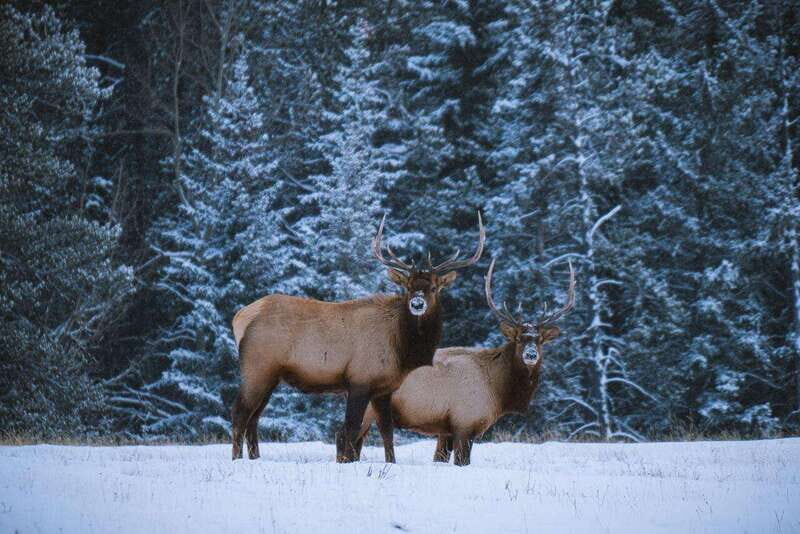
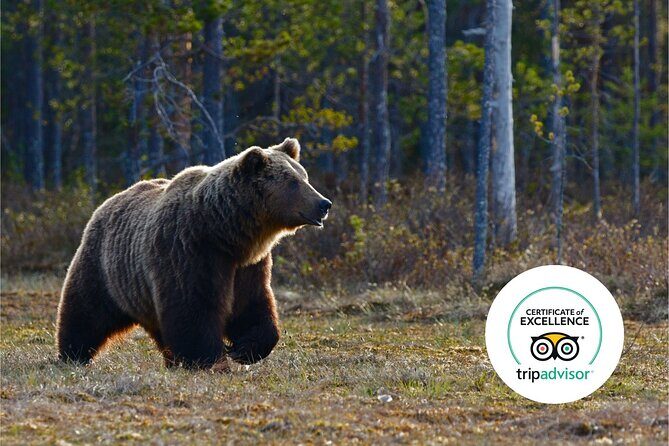
Your tour is designed around wildlife education, so sightings can be a mix of tracks, signs, and occasional direct views. The info you’ll work with includes deer and coyote activity, plus snowshoe hare topics. As you walk, you’ll also be watching for smaller clues—birds flitting between branches, or the kind of movement that means something is alive in the quiet.
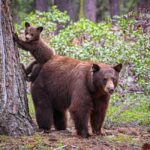
On at least one recent experience, the guide’s route included mule deer and an eagle sighting, and the snow held animal tracks almost everywhere. That kind of day is a reminder that winter wildlife doesn’t disappear—it shifts how it shows up. Sometimes it’s obvious. Sometimes it’s indirect.
One practical note: don’t fixate on one animal. If you only watch for the big moment, you’ll miss the rest of what the guide is teaching. I’d keep your eyes moving: tracks in the snow, shape and direction of movement, and any sign that tells you how recent the activity was.
Also, winter animals can be hard to spot at distance because the scenery is bright and open in spots. Tracking training helps here, because you’ll know what to look for first before you even try to “find” the animal.
Scenic stops that make your camera work in cold weather
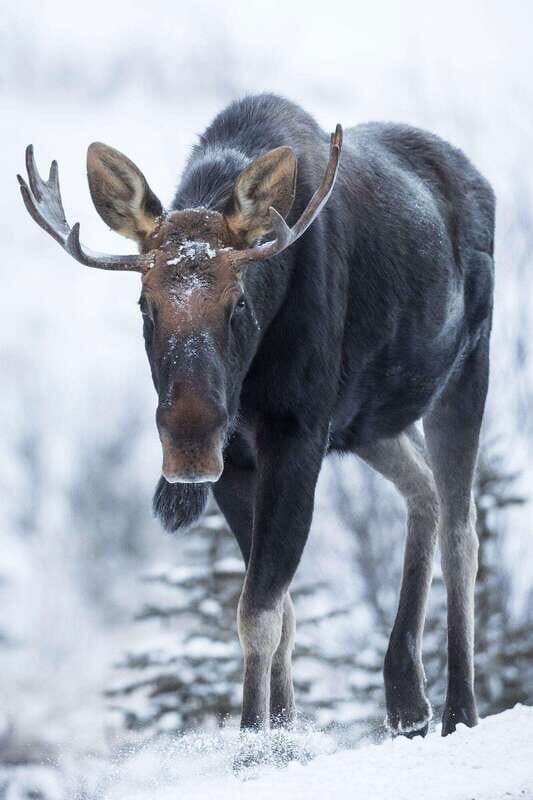
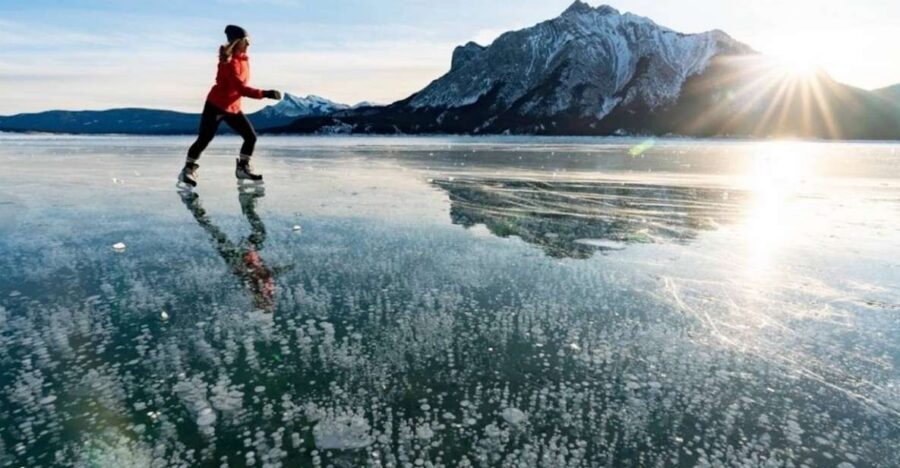
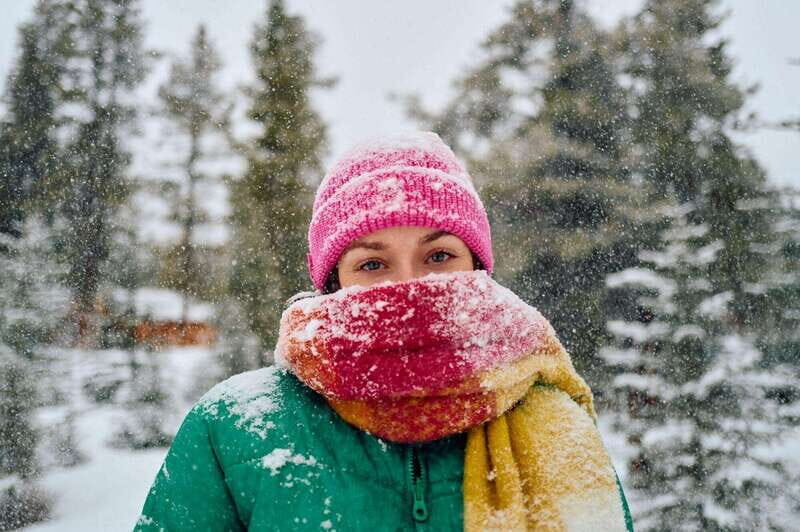
Winter in Banff can look like a postcard, and this walk is planned so you can actually use your camera instead of just admiring the view with numb fingers. Expect help with photographing the snow scene—think frosted trees, glistening ground, and the wide mountain feel that winter brings to the Rocky Mountains.
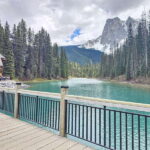
If your route takes you past spots like Johnson Lake, you’ll likely get that dramatic “Christmas-card” look people chase in Banff. One guide experience highlighted that kind of view, with especially good opportunities for photos along the way.
A guide makes a difference here. They can point out angles, tell you when the light is better for contrast, and help you capture the snow texture that makes winter photos pop. Without that, you end up shooting the same scene from the same spot over and over.
Practical tip: camera batteries drop faster in cold weather. Bring the camera strap you actually use, keep spare power in an inside pocket, and consider shooting a little earlier in the walk when you’re less distracted by changing gloves.
Local stories and folklore: the human side of wildlife tracking
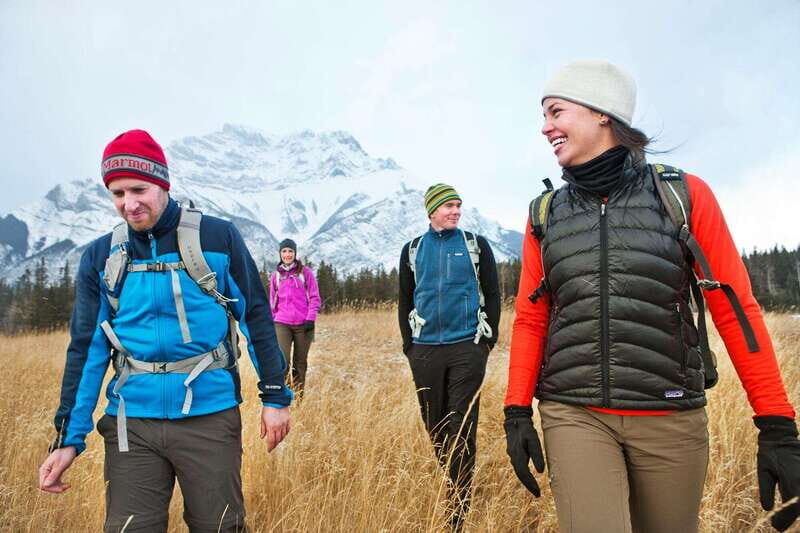
This isn’t only about animal behavior. Your guide weaves in local stories and folklore that connect the past and present of the region. The goal is to help you understand that people have read this land for a long time, and winter wildlife tracking ties into that tradition.
You’ll hear how Indigenous peoples and early settlers interacted with the land and its wildlife. That context matters because it changes the way you look at tracks. You stop seeing them as random marks and start seeing them as part of a living system that humans also learned to respect and understand.
I like this part because it gives the walk a sense of place. It’s not just “walk in snow, learn a few facts.” You’re learning a way of paying attention—something that can stick with you even after you go back to your hotel.
Other walking tours we've reviewed in Banff
Gear and comfort: ice cleats, poles, and what to wear
This tour includes some key help, but you still need to dress for winter outdoors. You’ll be provided ice cleats (when needed), which is important because icy patches can show up fast in snowy areas. If you want extra balance and stability, you can request hiking poles.
Even with help included, your clothing choices do most of the work. The tour asks you to bring comfortable shoes and warm clothing, plus layers you can adjust as you warm up while walking. A hat and gloves are non-negotiable in real winter weather, and you’ll want weather-appropriate outerwear.
Also bring water. It’s easy to forget hydration in cold air, but it’s still part of a comfortable walk. Food and drinks aren’t included, so plan a quick snack or meal before and after.
If you’re coming from downtown, check what you actually have. Many visitors pack “nice warm clothes” for a short walk, then realize their footwear or gloves aren’t made for traction and long standing.
How long is the walk, and who this fits best
The tour runs for 2 hours, which is a nice sweet spot: long enough to learn tracking patterns and enjoy the views, short enough to keep energy steady in winter.
Your guide will lead you from the meeting point at Cave and Basin National Historic Site and back there again. That round-trip setup keeps logistics easy, and you’re not planning your day around complicated routing.
This tour is not suitable for:
- Children under 9
- Pregnant women
- People with mobility impairments
- Wheelchair users
- People without experience
- People with pre-existing medical conditions
- People with recent surgeries
So, be honest with yourself about your comfort level in cold conditions and on snowy or potentially icy ground. If you’re managing a medical issue or recently recovered from surgery, it’s smart to choose something less physically demanding.
Who it suits best: nature enthusiasts, families who already handle outdoor winter time, and adventure seekers who want more than just scenery. If you like learning practical outdoors skills, you’ll get extra value.
Price and value: is $65 worth it for a 2-hour winter guide?
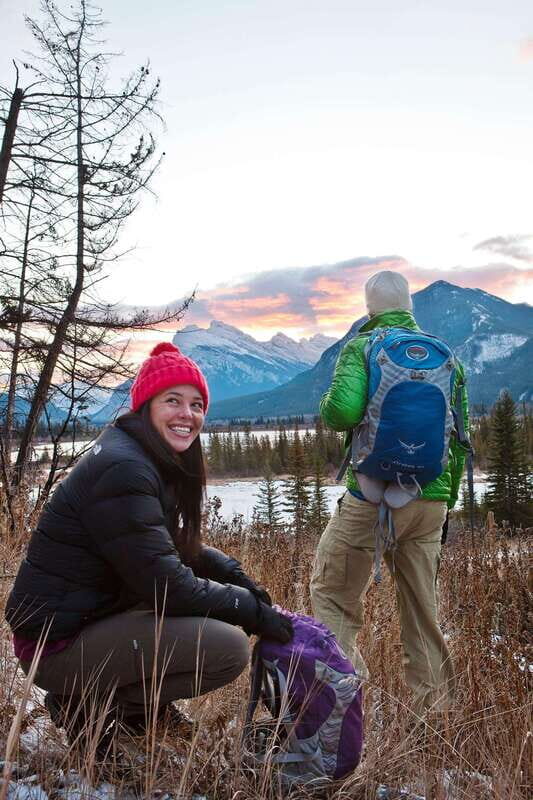
At $65 per person for a 2-hour guided walk, the value depends on what you want from the experience. If you’re looking for a simple nature stroll, it may feel pricey. If you want guided winter tracking skills, practical photo guidance, and story-based context, it’s more compelling.
Here’s what you get that justifies the cost:
- A professional guide who teaches wildlife tracking education
- Local stories and folklore that add meaning to what you see
- Help with winter photography during the walk
- Ice cleats when needed, plus hiking poles available on request
You’re also not paying extra for core winter support gear beyond what you bring yourself. That matters because in snow season, people often underestimate how much traction and warm clothing affect comfort.
Transportation to the meeting point is not included, and food and drinks aren’t included either. So, if you’re staying far from Cave and Basin, factor in that cost and time. Still, the meeting point itself is very reachable with free parking or a short taxi ride from downtown.
For many visitors, the best “value” piece is skill. By the end, you shouldn’t just remember pretty snow. You should be able to point at tracks and explain what they likely belong to and what they mean.
Should you book this Banff winter wilderness walk?
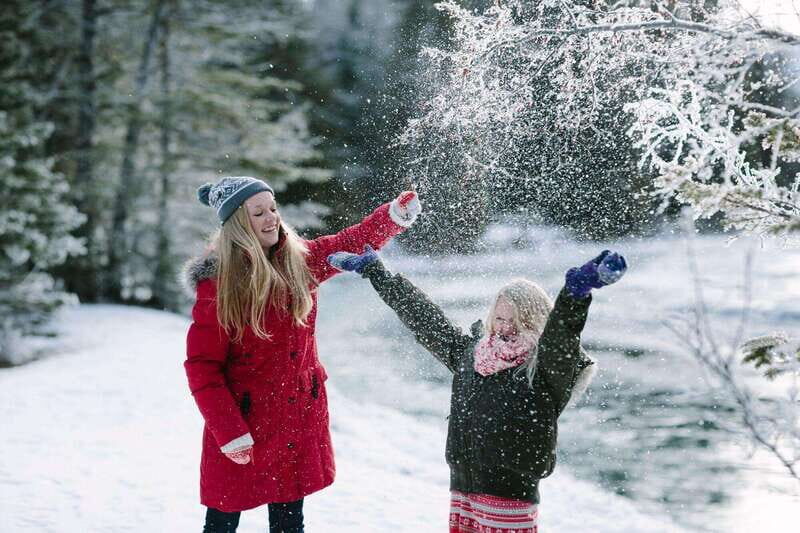
Book it if you want a winter activity that teaches you how to see. If the idea of reading tracks and learning how animals adapt sounds like fun, you’ll have a good time in this format. I’d especially recommend it if you enjoy photography and you want real help making winter shots instead of hoping for the best.
Skip it or choose something easier if cold, uneven snow, or traction issues are a concern for you. Also, because it’s not suitable for wheelchair users and it has limits for people with medical or mobility needs, check your situation carefully before committing.
If you do book, bring the basics seriously: layers, warm gloves, sturdy footwear, and water. Arrive on time, and let the guide do the work of turning the snow into readable evidence. On the right day, you may even get the kind of wildlife sightings that make you feel like the whole winter scene is alive.
FAQ
Where does the tour start?
It meets outside the Gift Shop at the Cave and Basin National Historic Site parking lot.
Is there free parking at the meeting point?
Yes, there is free parking at the meeting point.
How long is the winter wilderness walk?
The tour lasts 2 hours.
How much does it cost?
It costs $65 per person.
Is transportation included?
No, transportation to the meeting point is not included.
What language is the tour guide?
The tour is provided in English.
Are ice cleats provided?
Ice cleats are included when needed.
What should I bring for the tour?
Bring comfortable shoes, warm clothing, a hat, gloves, a camera, water, and weather-appropriate clothing.
Is the tour suitable for children under 9?
No. It is not suitable for children under 9.
What is the cancellation policy?
You can cancel up to 24 hours in advance for a full refund.