REVIEW · BANFF
From Banff: Johnston Canyon Guided Icewalk
Book on GetYourGuide →Operated by White Mountain Adventures Banff · Bookable on GetYourGuide
You don’t usually walk a frozen canyon with guide-led stops and photo moments. This winter icewalk in Johnston Canyon is built for exactly that: ice cleats, guided interpretation, and close-up views of waterfalls that look like they were built by ice sculptors. I like that you get both the geology lesson (including fossil corals in the rocks) and the big-payoff ice sights in one smooth outing. One consideration: this is a real walking tour in cold, uneven winter terrain, so it’s not for everyone.
The itinerary is also nicely paced for winter: a short drive from Banff, a guided circuit through the canyon, a break to warm up, and then the grand finale at the Upper Falls. I really like the way the route mixes bottom-of-the-canyon walking with suspended catwalks and a tunnel look at the Lower Falls. The only drawback to plan for is that this outing is not suitable for people with mobility impairments, and children must be at least 8 years old.
In This Review
- Key Points to Know Before You Go
- Why This Icewalk in Johnston Canyon Works So Well in Winter
- Getting There: Mount Royal Hotel Pickup and a Straight Shot to the Canyon
- The Walk Starts: Ice Cleats, Catwalks, and the Canyon-Formation Lesson
- What to watch for on the canyon walk
- Lower Falls: Frozen Water Mid-Stream and a Tunnel Close-Up
- Break Time at Johnston Canyon: Warm Up and Reset
- Twin Falls and Stella Falls: Two More Frozen Waterfall Moments
- Cathedral of Ice at the Upper Falls: The Big Finale
- Small Group + Professional Guide: What You Actually Get From “Guided”
- Price and Value: Is $69 a Fair Deal for Five Hours?
- Timing and Route: How the Day Unfolds Without Feeling Rushed
- Who This Icewalk Is Best For
- Should You Book the Johnston Canyon Guided Icewalk?
- FAQ
- What’s included in the Johnston Canyon Guided Icewalk?
- How long is the tour?
- Where do I meet the tour?
- Is the tour offered in English?
- How big is the group?
- Is this tour suitable for kids or mobility needs?
Key Points to Know Before You Go
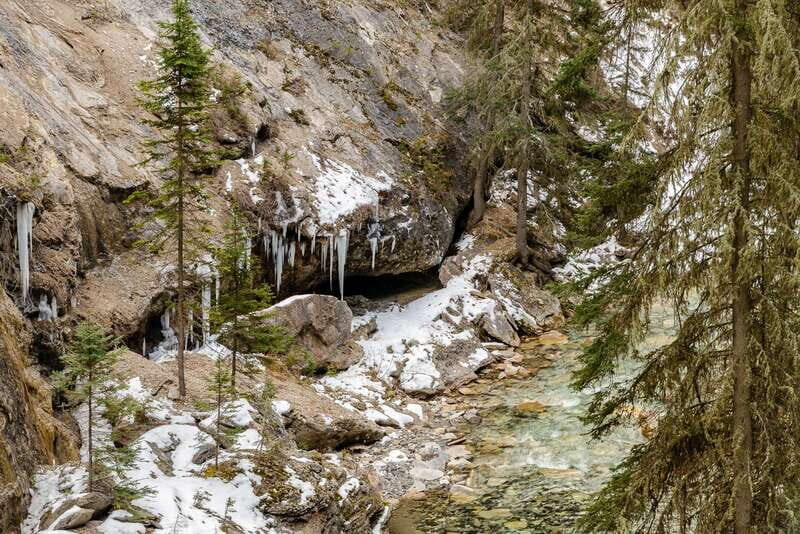
- Catwalks and canyon-bottom walking: You’re not just looking from a viewpoint.
- A tunnel for a close look at Lower Falls: Handy for big photos and a dramatic stop.
- Four waterfall highlights: Lower Falls, Twin Falls, Stella Falls, and the Upper Falls finale.
- Fossil coral spotting: Your guide points out what you’re seeing beyond the ice.
- Small group size (max 12): Easier pace control and more guide attention.
- Transport and ice cleats included: Less logistics hassle on a winter day.
Why This Icewalk in Johnston Canyon Works So Well in Winter
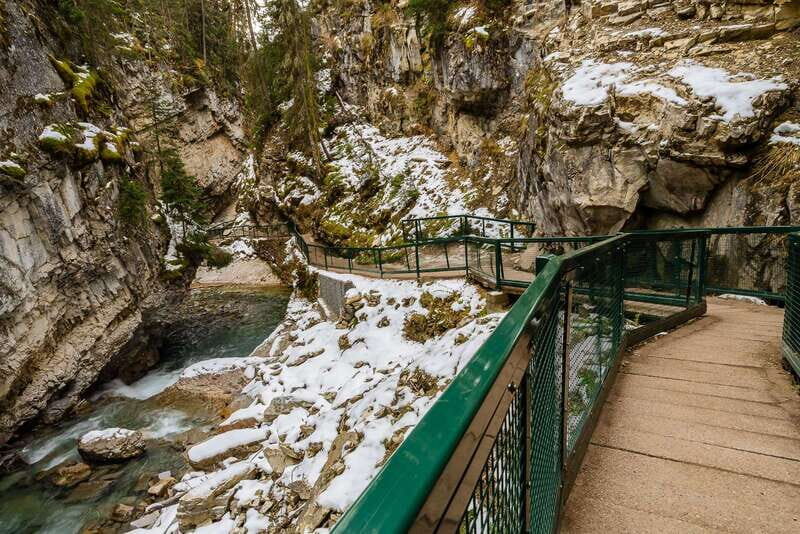
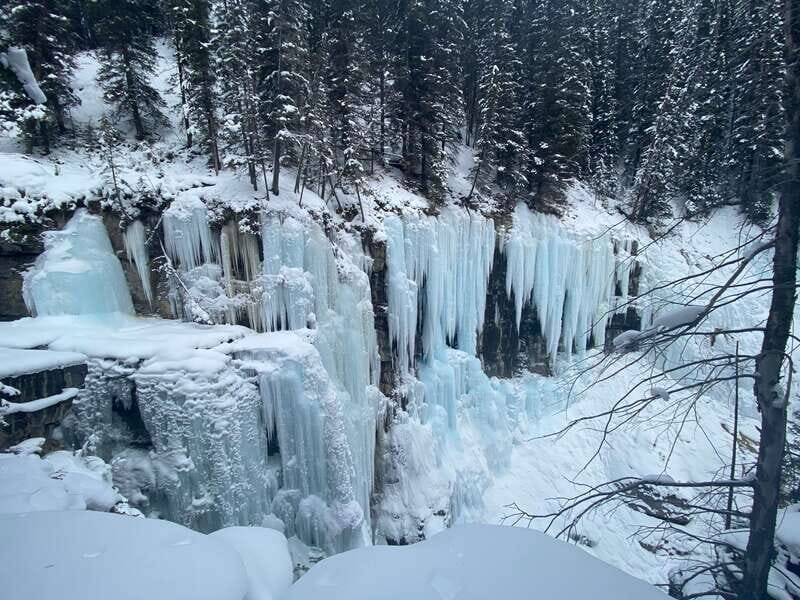
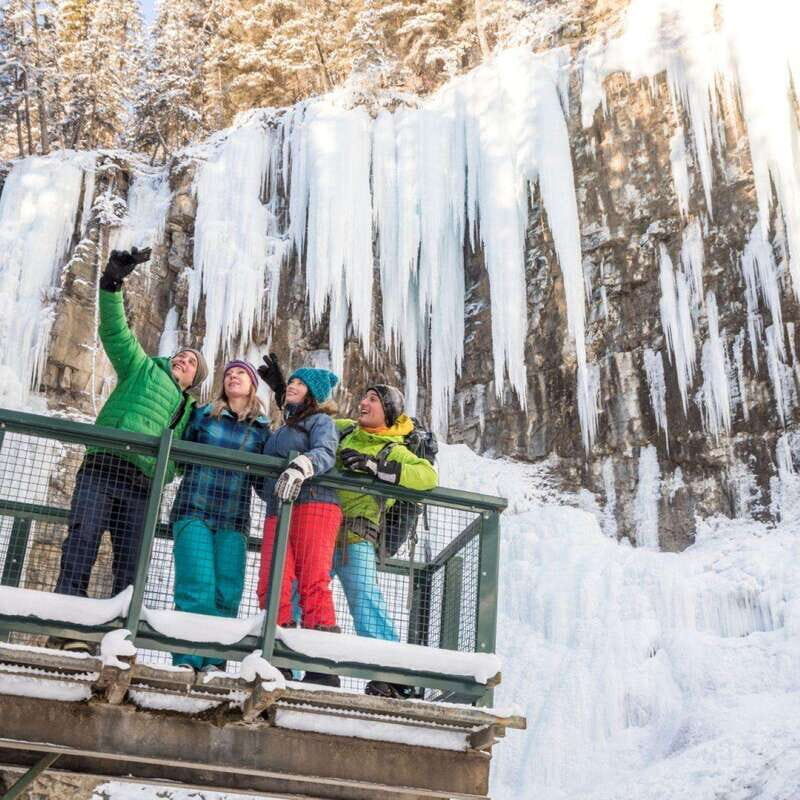
Johnston Canyon has a reputation for being pretty year-round, but winter changes everything. The walls turn into towering ice formations, the waterfalls freeze mid-stream, and the whole place starts to feel like a scene you’d expect from a winter film—except you’re right there, hearing the crunch of ice under your feet.
What makes this icewalk especially worthwhile is the combination of “how it formed” and “how to see it.” You get a guided explanation of canyon formation as you walk, and you’re encouraged to look closely for fossils (including coral pieces) in the rock. That kind of context makes the sights more than just scenic—they become something you understand as you go.
I also love the practical structure: you’re guided through the canyon, not wandering around trying to connect the dots. With a small group capped at 12, you’re less likely to get stuck behind slower walkers or miss turns while you’re figuring out where the main features are.
The tour is priced at $69 per person for about 5 hours, including hotel pickup/drop-off and ice cleat rental. For winter, that’s not just a walking experience—it’s also a logistics and gear convenience.
Other Johnston Canyon tours & icewalks we've reviewed in Banff
Getting There: Mount Royal Hotel Pickup and a Straight Shot to the Canyon
You’ll meet at the tour bus parking area behind the Mount Royal Hotel, at the corner of Caribou Street and Beaver Street. If you want a different pickup point within Banff townsite, you can request one by messaging the provider.
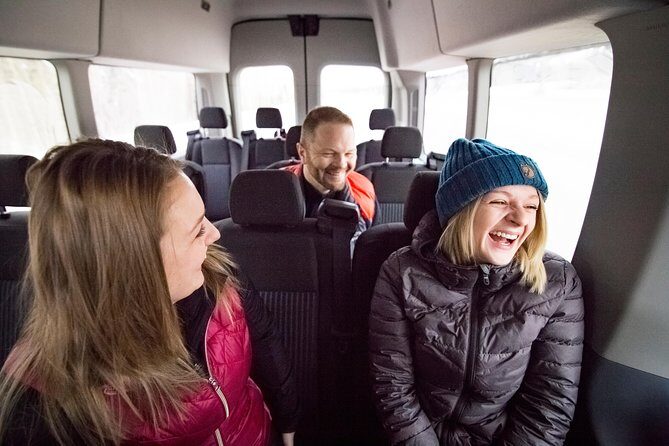
Once you’re on the van, plan for a drive of about 30 minutes to Johnston Canyon. That matters because winter days move fast—by the time you factor in daylight and cold, you’ll feel the value of not wasting time on self-drive parking, footwear hassles, or figuring out transport.
The same is true on the way back. After the guided portion and break, you’ll head back by van for another 30 minutes, arriving back at the hotel. It’s a simple loop that keeps the day from turning into a “drive first, see later” situation.
The Walk Starts: Ice Cleats, Catwalks, and the Canyon-Formation Lesson
Once you’re at Johnston Canyon, the guide takes over and sets the tone. This isn’t a free-for-all stroll. You’ll learn how the canyon formed and how to read the rocks as you go—so when you’re standing next to ice pillars and frozen water channels, it clicks into place why those features exist.
One of my favorite parts of this tour concept is the fossil angle. You’re invited to pick out fossil corals in the rocks, which is a reminder that this landscape didn’t start as ice at all. In winter, it’s easy to focus only on what looks frozen; the guide pulls your attention back to what was happening long before.
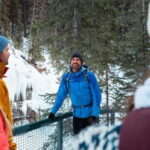
As you walk, you’ll move along canyon paths and through areas with suspended catwalks. The catwalks are a big part of why the experience feels different from a typical viewpoint. You’re positioned so your perspective changes—looking up at ice instead of only looking forward at it.
What to watch for on the canyon walk
Winter walking means your footing matters. Ice cleats are included, which helps a lot, but you’ll still want to move carefully where surfaces look smooth or covered in ice. Also, bring your patience for cold air: you’ll be outside for long enough that layering is more important than fashion.
Lower Falls: Frozen Water Mid-Stream and a Tunnel Close-Up
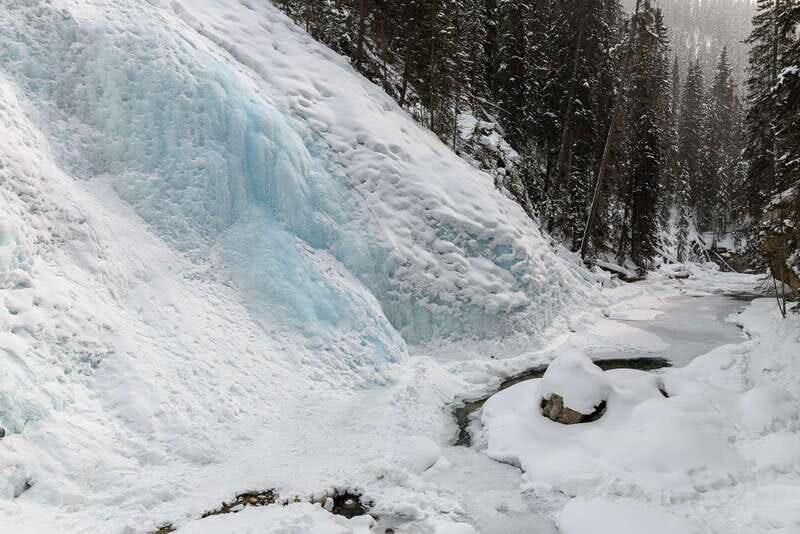
The Lower Falls section is where the tour turns dramatic. The guide leads you past waterfalls that are frozen in place mid-stream, and you’ll get a close-up view via a short tunnel.
That tunnel stop is especially useful for photos. It gives you a more intimate angle—like you’re stepping into the waterfall’s icy “workshop.” It also helps you escape slightly from wind between canyon stretches, which can feel like a small mercy when temperatures drop.
This is also one of the best places to slow down and let your eyes adjust. In winter, frozen water can look like one continuous pattern, but up close you often see different layers and textures. If you’re paying attention, you’ll start recognizing how ice forms and where the frozen flow thickens.
Other guided tours in Banff
Break Time at Johnston Canyon: Warm Up and Reset
After the first guided segment, you’ll have a 15-minute break. This is a good moment to catch your breath, warm up a bit, and decide what photos you want to prioritize next.
I like that the break isn’t too long. In a winter tour, long breaks can sometimes mean you lose momentum and end up cold while waiting for the group. Fifteen minutes keeps things moving while still giving you a chance to reset.
If you tend to get stiff in cold weather, this is where you’ll appreciate that the tour pacing includes an intentional pause instead of pushing straight through.
Twin Falls and Stella Falls: Two More Frozen Waterfall Moments
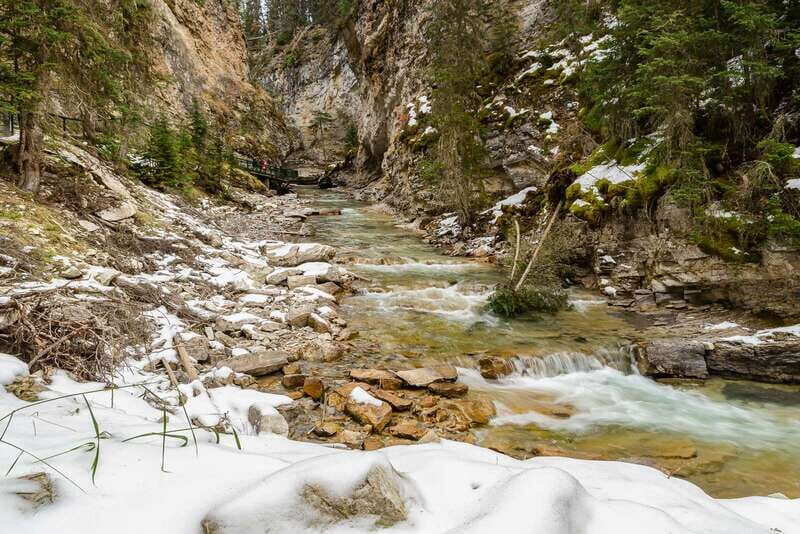
After the break, you’ll continue with another guided walking stretch of about 1 hour. During this part, you’ll see Frozen Twin Falls and Stella Falls, which build the “ice waterfall” story step by step.
What I find satisfying about this part of the itinerary is that it doesn’t repeat the same view again and again. Each waterfall tends to deliver a slightly different composition—some feel wider, some feel more vertical, and your catwalk positions can change the way the ice structures look.
This is also a point where the guide’s interpretation starts to pay off. When you understand what you’re looking at—how ice locks the flow in place and how the canyon walls interact with it—you notice more details on your own, instead of just chasing the biggest photo.
Cathedral of Ice at the Upper Falls: The Big Finale
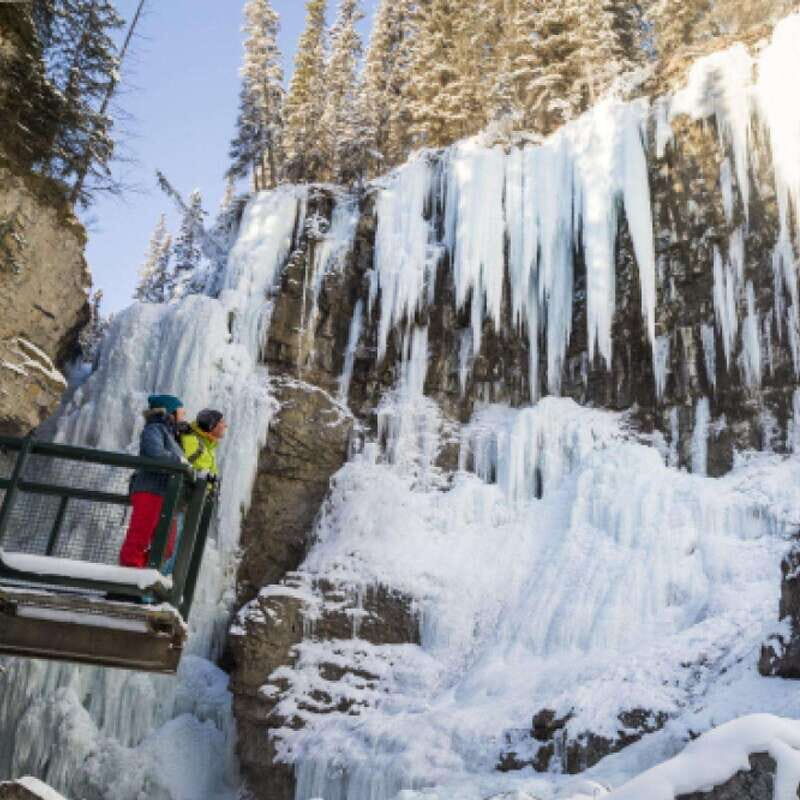
The Upper Falls area is the grand finale: the Cathedral of Ice. This is the moment that turns a guided walk into a memory you’ll keep.
The cathedral effect happens because the ice formations create a high, structured view—more like a room than a surface. If you’re traveling with camera gear, this is where you’ll want to take your time. Move slowly, look up, then angle your shot so you include the scale: the ice doesn’t just look pretty; it looks massive.
This stop is also a great chance to see ice climbers in action. Even if you aren’t climbing yourself, watching what climbers do helps you appreciate how much work and planning goes into safe ice navigation. It’s also a natural way to enjoy the final stretch without feeling rushed.
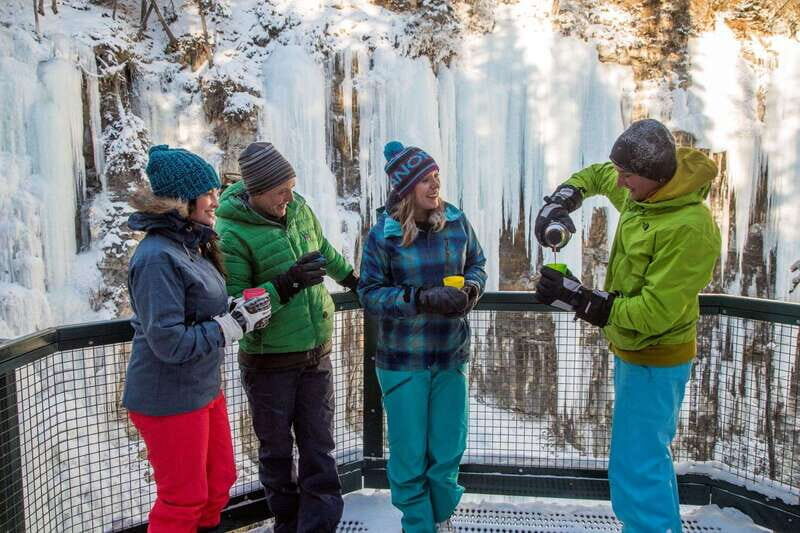
Some guides add small warm touches. For example, Mark was noted as adding hot chocolate and maple cookies as a reward when the group reached the top. Even if you don’t expect treats on every run, this kind of warming moment fits the tone of the day: practical fun, not just sightseeing.
Small Group + Professional Guide: What You Actually Get From “Guided”
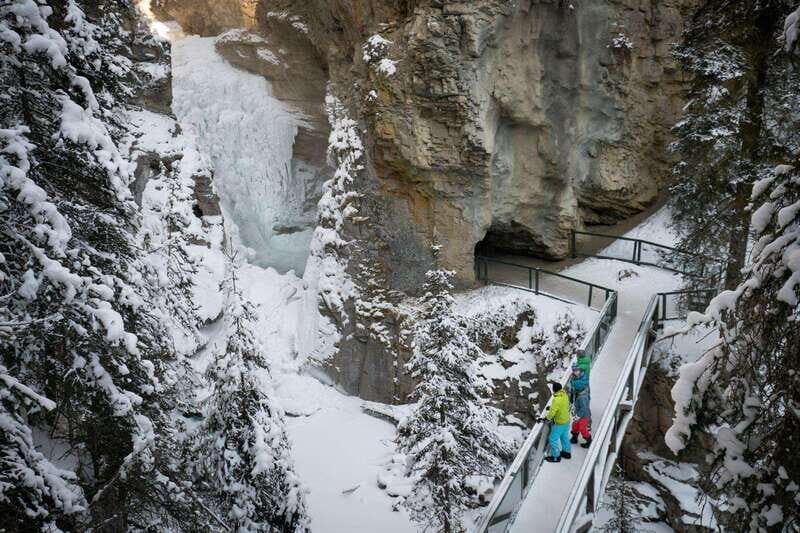
Small groups capped at 12 are a big deal on winter tours. You get:
- A steadier pace
- More chances to ask questions
- Less time trying to figure out where to go next
More importantly, the guide turns the canyon into an interpretive walk. You’re not only seeing ice; you’re learning what the canyon is made of and how features form. That’s why fossil corals and canyon formation talk matter—they’re the difference between seeing frozen waterfalls and understanding the geology behind them.
The guide also supports safety. You’ll be out on icy terrain and moving through catwalk areas, so having a professional lead the route is a comfort you’ll notice in real time.
In the best-case scenario, the guide also helps with photos. In at least one case, a guide (Sam) was praised for being warm and highly helpful during the experience, and another guide (Mark) was credited with going above and beyond, including taking pictures for the group. That sort of attention makes a difference if you don’t want to keep handing your camera to strangers in winter.
Price and Value: Is $69 a Fair Deal for Five Hours?
At $69 per person for a 5-hour experience, the value comes from three things working together:
1) You get transport. Hotel pickup/drop-off and the van ride mean you’re not adding extra planning time (or cold-stressed driving logistics) to your day.
2) You get gear. Ice cleats are included. In winter, having the right traction matters—not just for comfort but for feeling confident on the walk.
3) You get the “guided” part. The guide isn’t just walking you between stops. You get explanation of canyon formation and opportunities to notice things like fossil corals. You also get guided access to the tunnel and the catwalk-supported viewpoints.
So even though it’s not the cheapest activity in the area, it’s built to feel efficient. You’re paying for a guided winter pathway, not just for entry to a trail.
Timing and Route: How the Day Unfolds Without Feeling Rushed
This tour runs about 5 hours total, and the schedule is broken into clear chunks:
- Pickup and drive to Johnston Canyon (about 30 minutes)
- Guided walk and scenic views on the way (about 75 minutes)
- Break (15 minutes)
- Guided walk and scenic views on the way (about 1 hour)
- Drive back to Banff (about 30 minutes)
That structure is a practical advantage. You’re not spending all day in transit, and you’re not doing one long slog with no pause. Winter fatigue can build quickly, so having both a short reset and a finale that’s worth the effort makes the experience feel more manageable.
Who This Icewalk Is Best For
This experience is a great match if you want:
- A winter walk with a strong “wow” payoff
- Guided interpretation, not just sightseeing
- A manageable time commitment (about 5 hours)
- A small-group day with English-speaking guidance
It’s especially good for first-timers to Johnston Canyon who want to see the major ice highlights without turning the trip into navigation practice.
It’s less suited to:
- People with mobility impairments (not recommended)
- Families with young kids (not suitable for children under 8)
- Anyone who doesn’t like guided schedules or can’t handle cold, icy walking conditions
Should You Book the Johnston Canyon Guided Icewalk?
If you’re in Banff in winter and you want a canyon experience that’s more than just views, I’d book it. The Cathedral of Ice at the Upper Falls is the kind of payoff that makes a winter trip feel special, and the tour adds value with guided geology (including fossil corals), tunnel access, and catwalk walking.
I’d only skip it if you strongly dislike cold weather walking or you know you need a more accessible route. If you’re comfortable with winter footwear and you want a guided, efficient day that hits the biggest ice highlights, this is a solid choice.
FAQ
What’s included in the Johnston Canyon Guided Icewalk?
Hotel pickup and drop-off are included, along with ice cleat rental.
How long is the tour?
The experience lasts about 5 hours.
Where do I meet the tour?
Meet in the tour bus parking area behind the Mount Royal Hotel, at the corner of Caribou Street and Beaver Street.
Is the tour offered in English?
Yes, the live tour guide language is English.
How big is the group?
It’s a small group, limited to 12 participants.
Is this tour suitable for kids or mobility needs?
It’s not suitable for children under 8, and it’s not suitable for people with mobility impairments.